


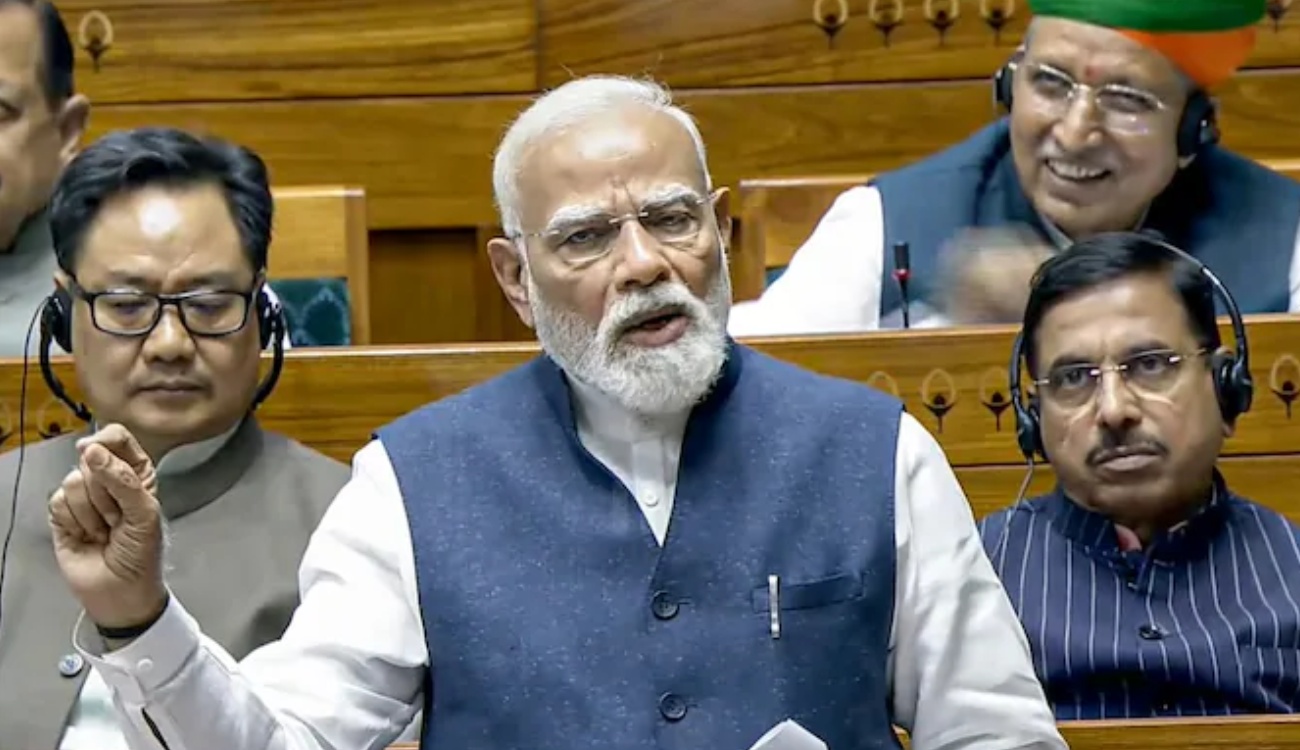
Prime Minister Modi addressed the nation at 8:30 PM on Thursday — the day after a closely contested vote on the Women’s Reservation Bill had ended without the required two-thirds majority. The address was part statement of intent, part political communication, and part defence of the government’s record on women’s representation.
He said the government remained committed to bringing the reservation into effect, that the vote’s outcome reflected the Opposition’s opposition to women’s progress, and that the people would ultimately judge the matter at the ballot box.
What the Address Needed to Do
Having campaigned prominently on the Women’s Reservation Bill — which would reserve 33 percent of Lok Sabha and state assembly seats for women — and having fallen short of the constitutional majority required to pass it, the government faced a communications challenge. The address was the vehicle for managing that challenge.
The primary audience: women voters, particularly in the states whose assembly elections are approaching. The primary message: the government tried, the Opposition blocked it, the fight continues.
The Opposition’s Response
Opposition leaders rejected the government’s framing with some vigour. “You have a majority. You needed other parties to get to two-thirds. You didn’t get them. That’s not ‘the Opposition blocked it’ — that’s you being unable to build the coalition your own constitutional process requires,” said a Congress spokesperson.
The arithmetic is accurate. A two-thirds constitutional majority requires support well beyond BJP and its NDA allies. The government’s inability to secure that support — from parties that have themselves expressed support for women’s reservation in principle — is the actual story. The post-vote address was partly an attempt to write a different story.

