


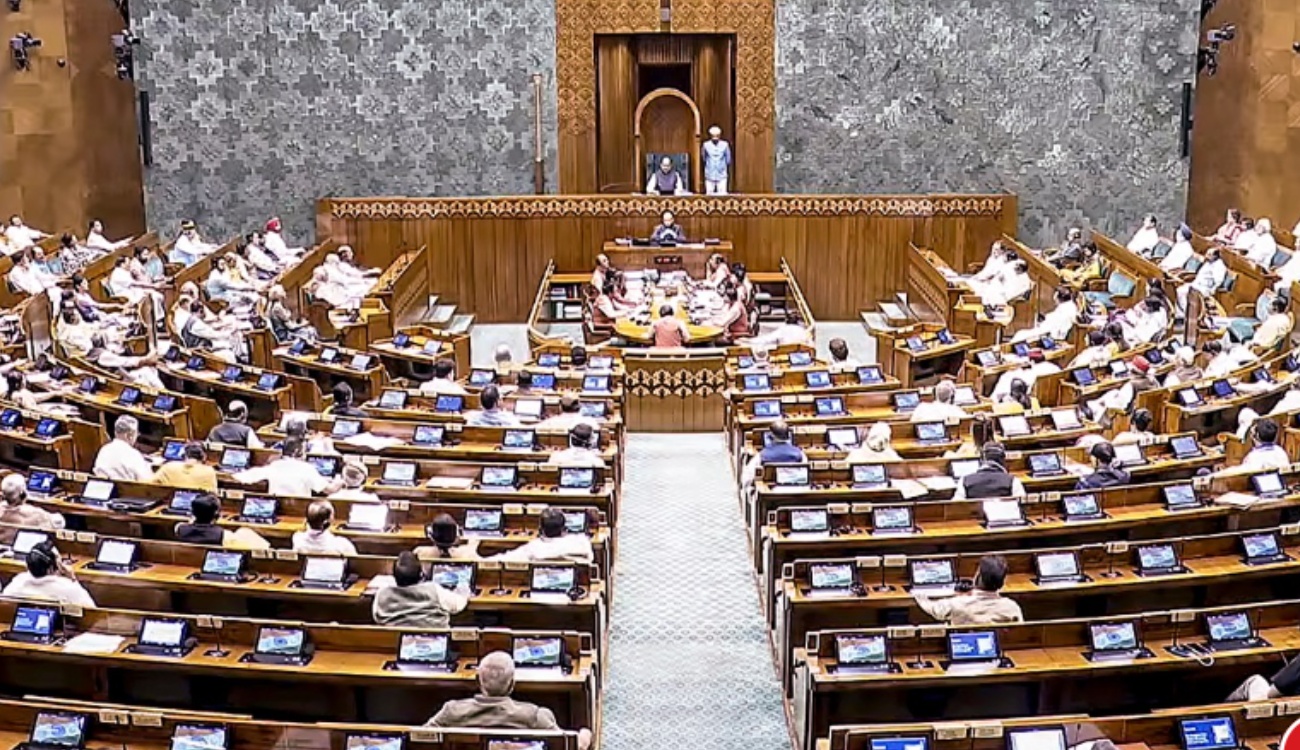
The Women’s Reservation Bill failed in the Lok Sabha by a margin of 298 to 230 on Wednesday. The bill needed a two-thirds majority — at least 362 votes in the 543-member house — to pass as a constitutional amendment. It got 230.
The mathematics of that failure tell a story about India’s political coalition dynamics that are more interesting than the dramatic “push fails” headline.
Who Voted How
BJP and its NDA allies voted in favour. The Congress-led INDIA bloc voted against on the specific formulation on offer, while maintaining they support women’s reservation in principle — their objection was to the absence of sub-reservation for OBC women within the reserved seats.
Regional parties divided. Several TMC members voted against; some smaller regional parties supported the bill; the SP’s position was against without the OBC sub-quota. The result: well short of the required threshold.
The OBC Sub-Quota Question
This is the substantive policy question that the vote exposed. Women’s reservation without sub-categorisation tends to benefit urban, educated, upper-caste women disproportionately, because in first-past-the-post systems, candidates from socially dominant groups have structural electoral advantages regardless of reservation. Many Opposition parties argue this means the bill in its current form helps the “wrong” women — those who already have social capital — while leaving OBC women, who represent a much larger share of the female population, without specific representation gains.
The government’s counterargument: OBC reservations already exist in candidate lists at various levels; adding a women’s sub-quota creates complexity that delays what would be a major advance even if imperfect.
What Happens Next
The bill’s failure is not permanent — it can be reintroduced in the next session or at any time the government chooses. The arithmetic hasn’t changed, which means the OBC sub-quota question remains the negotiation point that would need to be resolved to achieve the required coalition.