
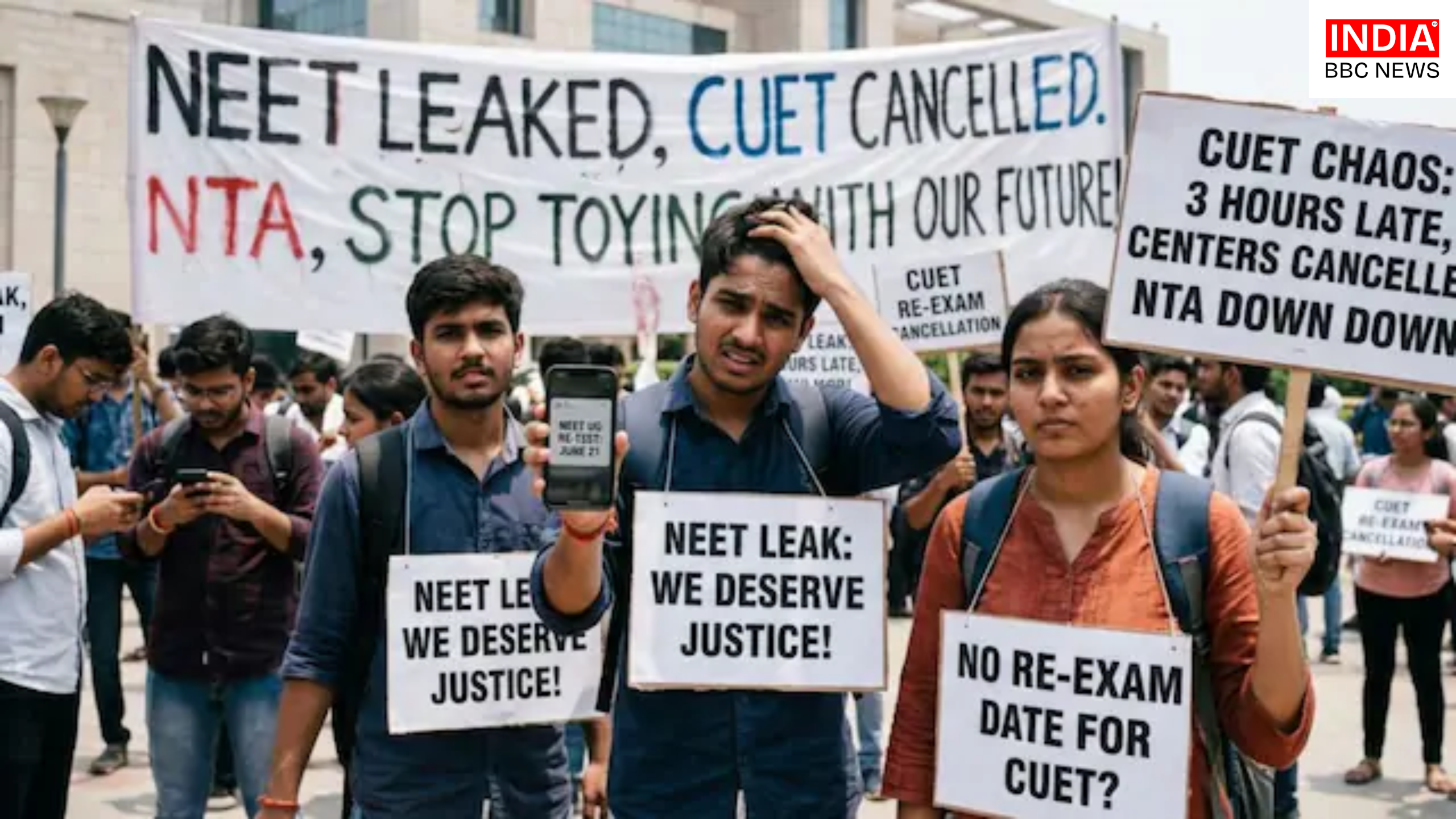
The Economic Offences Unit (EOU) has issued a public alert warning students, parents, and educational institutions against circulating or believing rumours related to a purported NEET 2026 re-examination. The agency has also urged candidates to report cyber fraud, fake notices, and misleading social media posts linked to the examination. Officials have warned that strict legal action will be taken against individuals or groups found spreading misinformation or attempting to defraud students through false claims.
Introduction
With millions of students across India preparing for competitive entrance examinations, misinformation surrounding major tests such as the National Eligibility cum Entrance Test (NEET) can create widespread confusion and anxiety. In a recent development, the Economic Offences Unit (EOU) issued an alert regarding rumours claiming that a NEET 2026 re-examination would be conducted. The agency has advised students to rely only on official notifications and has called for immediate reporting of any cyber fraud or suspicious activities related to the examination process.
The warning comes amid growing concerns over online scams, fake notices, and fraudulent schemes targeting students seeking admission to medical colleges across the country.
What Happened?
The Economic Offences Unit issued a public advisory cautioning NEET aspirants against unverified claims regarding a possible NEET 2026 re-exam. According to the alert, several social media posts, messages, and online communications have been circulating misleading information related to the examination.
Authorities indicated that such misinformation may be intended to create panic among candidates or facilitate cyber fraud schemes aimed at extracting money or personal information from students and their families.
The EOU emphasized that only official communications issued by relevant examination authorities should be considered authentic.
When Did It Happen?
The alert was issued amid ongoing discussions and speculation surrounding national-level entrance examinations. The advisory comes at a time when students are actively seeking updates regarding admissions, counselling procedures, examination schedules, and future academic opportunities.
Officials noted that misinformation tends to spread rapidly during examination cycles, making vigilance particularly important.
Where Did It Happen?
The warning applies nationwide, affecting NEET candidates across India. While the advisory was issued by state-level investigative authorities, the potential impact extends to students in every region of the country due to the widespread use of social media platforms, messaging applications, and online educational forums.
Because NEET serves as the primary entrance examination for undergraduate medical admissions across India, any false information regarding the test can affect candidates on a national scale.
Who Is Involved?
Several key stakeholders are involved in the issue:
The Economic Offences Unit is responsible for investigating cyber fraud and financial crimes linked to examination-related scams.
The National Testing Agency (NTA), which conducts major entrance examinations, remains the primary source of official information regarding examination schedules and policies.
Students, parents, coaching institutes, educational consultants, and digital platform users are among those directly affected by the circulation of misinformation.
Law enforcement agencies may also become involved if evidence of organized fraud, impersonation, or cybercrime emerges.
Why Did the EOU Issue the Warning?
Authorities believe that false claims regarding examinations can be exploited by fraudsters to deceive candidates. In many cases, scammers use fake notices, forged documents, unofficial websites, and misleading social media accounts to spread misinformation.
Such schemes may attempt to:
Obtain personal information from students.
Collect money through fraudulent registration fees.
Promote fake counselling services.
Create confusion regarding official examination procedures.
Direct users to malicious websites.
The EOU’s warning seeks to prevent students from becoming victims of these activities while preserving public confidence in the examination process.
Key Facts at a Glance
- EOU has warned against NEET 2026 re-exam rumours.
- Students have been advised to verify information through official channels.
- Authorities have urged immediate reporting of cyber fraud.
- Fake notices and misleading social media posts are under scrutiny.
- Strict legal action has been threatened against offenders.
- Candidates should avoid sharing personal information through unofficial sources.
- Law enforcement agencies may investigate fraudulent activities linked to examination scams.
Official Reactions
Officials associated with the advisory stressed the importance of digital vigilance among students and parents. The EOU emphasized that unverified messages should not be forwarded or trusted without confirmation from official authorities.
Authorities further encouraged citizens to report suspicious online activity and examination-related fraud attempts through appropriate cybercrime reporting mechanisms.
Government agencies have repeatedly highlighted the need for candidates to obtain information only from authorized websites and official notifications.
Expert Analysis
Education experts note that examination-related rumours often gain traction because of the high-stakes nature of competitive entrance tests. Medical admissions are among the most sought-after educational opportunities in India, making students particularly vulnerable to misinformation.
Cybersecurity specialists have also warned that fraudsters frequently exploit examination seasons to launch phishing campaigns and online scams. Fake websites may closely resemble official portals, increasing the risk of deception.
Experts recommend verifying URLs, avoiding suspicious links, and cross-checking information before making any payments or sharing personal details.
Public Response
The advisory has generated significant discussion among students and parents. Many candidates have expressed concern regarding the spread of misinformation on social media platforms.
Education communities have welcomed the warning, arguing that timely intervention by authorities can help reduce confusion and protect students from potential fraud.
Several educators have also urged students to remain calm and avoid relying on unofficial sources for examination-related updates.
Background: Why Examination Rumours Spread Quickly
India’s competitive examination ecosystem involves millions of candidates every year. Medical entrance examinations attract particularly large numbers of applicants seeking admission to government and private medical colleges.
In recent years, social media has become a major source of information sharing among students. While these platforms can provide valuable updates, they also enable rapid dissemination of rumours and unverified claims.
Authorities frequently face challenges in countering misinformation before it reaches a wide audience. As a result, official advisories have become an important tool for maintaining transparency and public trust.
Consequences of Spreading False Information
Individuals found creating or distributing fraudulent examination-related content may face legal consequences under applicable cybercrime and criminal laws.
Potential consequences include investigations, prosecution, financial penalties, and other legal measures depending on the nature of the offence.
Authorities have made it clear that deliberate attempts to mislead students or facilitate fraud will not be tolerated.
Why This Story Matters
This development highlights the growing intersection between education and cybersecurity. Millions of students depend on accurate information when making academic decisions that can shape their future careers.
False examination notices can cause emotional distress, financial losses, and confusion among candidates. By issuing a public warning, authorities aim to safeguard students and strengthen confidence in the examination process.
The advisory also serves as a reminder that digital literacy has become an essential skill for students navigating today’s information environment.
What Happens Next?
Authorities are expected to continue monitoring online platforms for misleading content related to NEET 2026 and other competitive examinations.
Students are likely to receive additional guidance regarding safe online practices and official communication channels. Law enforcement agencies may investigate cases involving fraudulent activities or organized misinformation campaigns.
Candidates are encouraged to remain vigilant, verify information independently, and report suspicious content promptly.
Conclusion
The EOU’s warning regarding NEET 2026 re-exam rumours underscores the growing threat posed by online misinformation and cyber fraud in the education sector. By urging students to report suspicious activity and rely only on official sources, authorities hope to prevent confusion and protect candidates from potential scams. As millions of aspirants pursue medical education opportunities, maintaining trust, transparency, and digital awareness will remain critical to ensuring a fair and secure examination environment.
Students should rely only on official notifications issued by authorized examination authorities for confirmation of any examination-related decisions.
The agency issued the warning to counter misinformation and prevent cyber fraud targeting students.
Scams may involve fake notices, fraudulent websites, phishing attempts, and false payment requests.
Avoid suspicious links, verify sources, protect personal information, and rely on official announcements.