


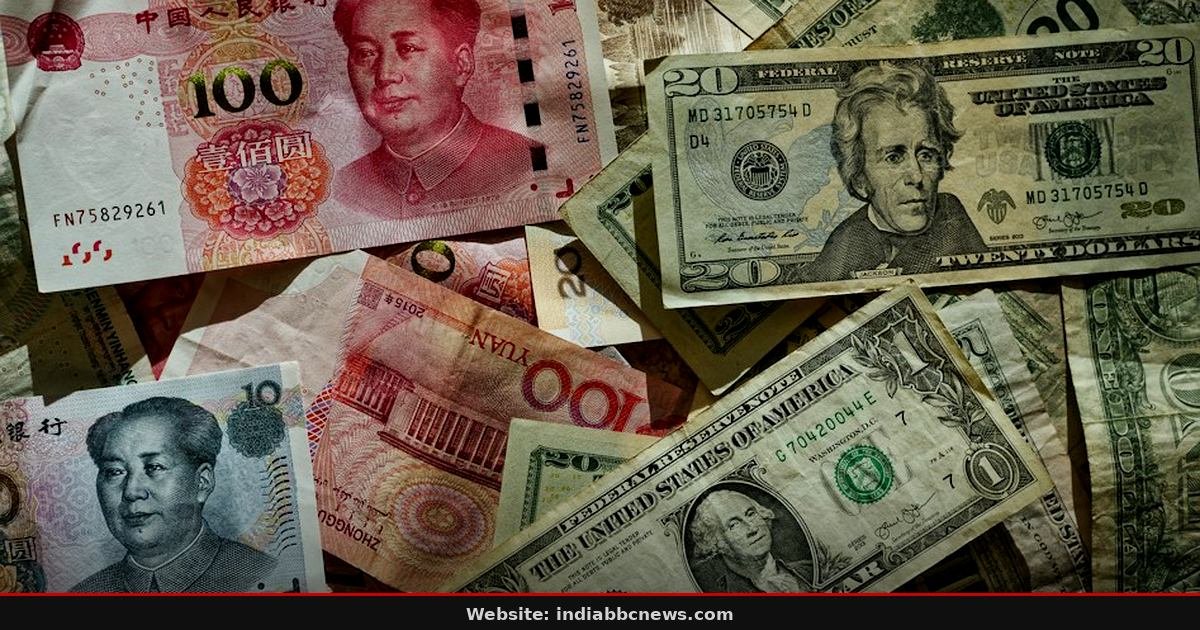
UBS Bets Big: Yuan to Hit 6.25 by 2027 in Defiant Forecast
UBS Group AG just dropped the most aggressive bet on the Chinese currency in years, predicting the yuan will climb to 6.25 per dollar by the end of 2027. It is a stark contrast to the cautious, often bearish tone that has dominated Asian forex markets for the better part of a decade.
The Math Behind the Bullish Call
This isn’t just optimism; it’s a structural argument. UBS analysts point to a narrowing interest rate differential between the US Federal Reserve and the People’s Bank of China as the primary driver. When the gap between dollar and yuan yields shrinks, capital naturally flows back into higher-yielding Chinese assets. The bank argues that this reflow is inevitable, not speculative. If the Fed cuts rates while Beijing holds steady, the yuan gets a free ride on global liquidity.
Historically, the yuan has been a laggard against the greenback, stuck in a wide trading band that suppressed its value. But the dynamics are shifting. The 6.25 target implies a 3-4% appreciation over the next 18 months. That is a massive move for a managed currency.
Most global banks sit at a more conservative 6.90 or 7.00 range. UBS is not just different; it is an outlier. The risk? If China’s deflationary pressures deepen, the PBOC may intervene harder to keep the currency stable, capping the upside UBS sees coming.
Why Now? The Rate Cut Pivot
The timing hinges entirely on Washington, not Beijing. The forecast assumes a cumulative 100-150 basis point cut from the Fed over the next 18 months. It is a standard Fed playbook, but standard does not mean simple. Markets have whipsawed all year trying to guess the exact path of monetary policy.
One unexpected inflation data point in the US can delay these cuts, pushing the yuan back toward 7.10. The currency is currently trading near 7.25, which means UBS is betting the dollar weakens significantly. That is a high-stakes wager on the US economy slowing down faster than currently priced in.
Investors are watching the 10-year Treasury yield like a hawk. If that yield drops below 3.5%, the dollar loses its safe-haven appeal. For the yuan, this is the catalyst it needs. The PBOC has been passive, letting the currency float within its daily limits.
This passivity suggests they are comfortable with a stronger yuan, perhaps even encouraging it to signal confidence in the domestic economy. Yet, a stronger yuan hurts Chinese exporters. The tension between stabilizing domestic assets and supporting trade is the crux of this trade. UBS thinks the former wins this time around.
What This Means for India
For Indian markets, a stronger yuan creates a complex ripple effect that extends far beyond the forex desk. Chinese imports into India — from electronics to textiles — become pricier. This could add 0.2-0.3% to India’s headline CPI, a number that matters when the RBI is watching inflation closely. But the bigger impact is on the rupee.
A stronger yuan often acts as a regional anchor, potentially stabilizing the rupee against the dollar. If the yuan strengthens, the cross-rate improves, giving the RBI more room to manage the rupee without aggressive intervention. It is a subtle but vital support mechanism for Indian macro stability.
Indians abroad need to pay close attention to this shift. With 35 million diaspora remittances flowing into India every year, currency fluctuations directly impact household finances. If the yuan strengthens alongside the dollar’s weakness, the costs of travel and education in China become more expensive. However, for IT companies selling to Chinese firms, a stronger yuan means their rupee-denominated revenues look better on paper.
It’s a mixed bag, but the net effect on India’s trade balance could be positive if the yuan’s strength outpaces the rupee’s. That is a scenario policymakers in New Delhi have been hoping for. The key is whether the Indian rupee can hold its ground while the yuan climbs. If it does, India benefits from cheaper Chinese imports without facing a sharper rupee depreciation.
The PBOC’s Silent Game
The People’s Bank of China rarely announces its intentions, but its actions speak volumes. In recent months, the PBOC has stopped defending the yuan at all costs. They let it depreciate when the dollar spiked, absorbing the shock before stepping in. This flexibility suggests a new era of managed floating.
UBS’s forecast assumes this flexibility continues. If the PBOC starts aggressively buying dollars to cap yuan appreciation, the 6.25 target becomes impossible. But recent data shows official reserves have remained stable, not ballooning with new dollar purchases. This implies the central bank is not fighting the trend.
It is riding it. That is a significant change in posture that few analysts have fully priced in yet.
There is also the geopolitical angle. A stronger yuan signals economic confidence. In a world where China is trying to decouple from the West, having a strong currency is a symbol of independence. It allows Beijing to price commodities in yuan, challenge the dollar’s dominance, and attract foreign investment.
UBS sees this as a long-term structural shift, not just a short-term rate trade. The bank’s report notes that global central banks are diversifying reserves, and the yuan is gaining a foothold. That institutional demand is the floor under this rally. Without it, the yuan would remain a speculative trade.
With it, the 6.25 level becomes a plausible equilibrium point. It is a bet on China’s relevance in the global financial system, not just its domestic growth.
Risks That Could Break the Trade
No forecast is safe, and this one has dangerous edges. The primary risk is a resurgence of US inflation. If price pressures in America stay sticky, the Fed stays on hold, and the dollar stays strong. In that scenario, the yuan stays pinned near 7.30, and UBS’s model crumbles.
Another risk is China’s property sector. If the real estate bust worsens, the PBOC will prioritize bank solvency over currency strength. In a crisis, the weak yuan is a tool. It makes exports cheaper and buys time for fiscal stimulus.
UBS assumes the property crisis has bottomed out. If it hasn’t, this call is premature. The market has been burned by Chinese optimism before. Trust, but verify.
Keep an eye on monthly trade data. If exports start to slow sharply, the value of the strong yuan becomes a liability, not an asset.
And don’t forget the geopolitical wildcards. Tariffs, sanctions, or trade disputes can freeze capital flows overnight. The yuan is not a fully convertible currency; it is still restricted. If political tensions spike, the PBOC may widen the trading band or impose capital controls.
That would cap the upside. UBS’s model assumes normalcy, a calm seas environment that is increasingly rare. The base case is reasonable, but the tail risk is substantial. Investors need to hedge against these scenarios.
Buying forward yuan is not a “set it and forget it” trade. It requires active management. The 6.25 target is a destination, but the path there is likely to be bumpy, volatile, and punctuated by policy surprises that no one can predict with certainty. That’s a harder sell than it sounds.
Frequently Asked Questions
Why did UBS predict yuan to rise to 6.25?
UBS expects US interest rates to fall significantly by 2027, narrowing the yield gap with China. This makes Chinese assets more attractive, driving capital inflows that support the yuan’s value. The yuan is currently trading near 7.25 per dollar. This level has been the anchor for the currency for several months before the recent uptick.
What is the current exchange rate for yuan to dollar?
How does a stronger yuan affect Indian importers?
It makes Chinese goods more expensive for Indian buyers. This could slightly increase inflation for consumer goods but may benefit IT firms earning yuan-denominated revenue. It offers potential upside if US rates fall, but it carries geopolitical and policy risks. The PBOC can intervene to cap gains, so it is not a risk-free trade.
Is the yuan a safe investment for 2027?
Source: Bloomberg Markets
Source: Bloomberg Markets

