


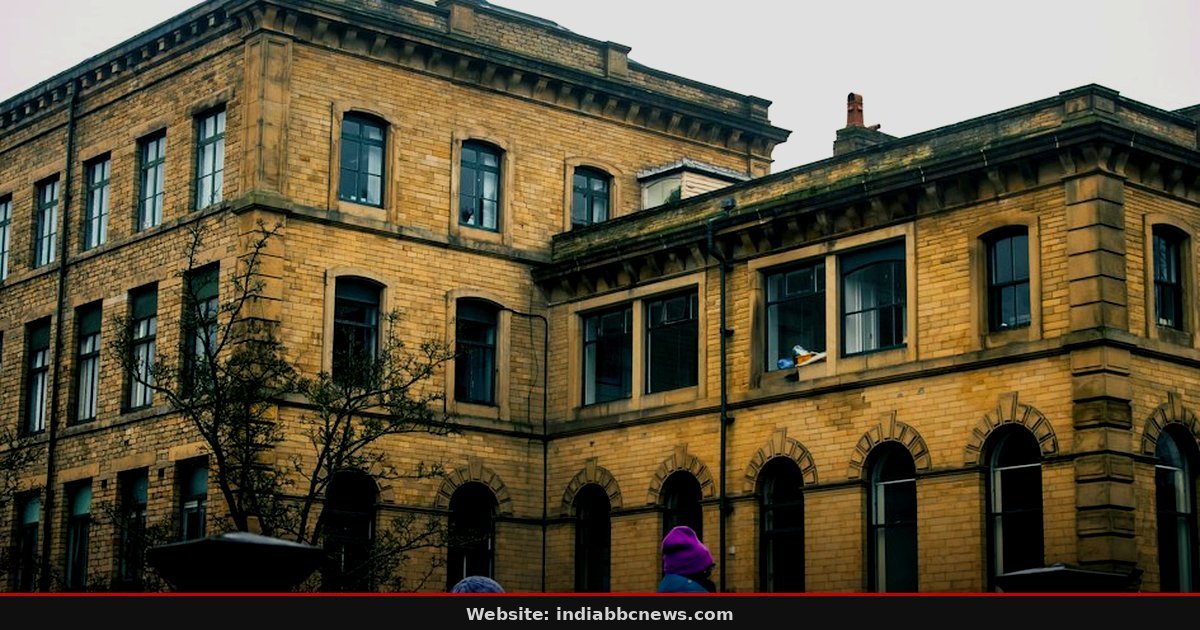
Swiss Cottage School in north London just broke a 3-year streak of non-English winners by claiming the World’s Best School Prize for Community Collaboration. It’s the first state-run school in England to take home this particular gong from the T4 Education group. The win isn’t just a trophy for the cabinet; it’s a signal that a specific model of specialized education is working where others have stalled.
A Win for the “Complex Needs” Pioneers
The award specifically recognized the school’s approach to complex learning needs. They didn’t just teach; they built an entire ecosystem around the student. That’s a harder sell than it sounds in a system that often prioritizes standardized test scores over individualized care plans. The school’s unique development and research centre is the engine room here. It allows for tailored education, healthcare, and research for each of the 270 pupils who attend.
This isn’t a private academy with deep pockets. It’s a local-authority run primary and secondary special school serving a diverse catchment area, including many low-income families. The difference lies in the integration of services. Students don’t just sit in a classroom waiting for support to be handed to them.
Instead, they have access to community spaces like leisure centres and libraries, which are woven into their daily curriculum. The goal is to build transferable skills that allow students to move from the school gate into higher education, vocational training, or actual jobs without the usual bureaucratic hurdles slowing them down.
Why London’s Model Matters Globally
T4 Education picks winners from across the globe, and the 2026 list reads like a rolling stone magazine cover. Slum2School Green Academy in Epe, Nigeria, won for Environmental Action. G-School in Seoul took the Innovation prize. TNS Beaconhouse in Lahore, Pakistan, won for Supporting Healthy Lives.
Escola Municipal GET IV Centenario in Rio de Janeiro took home the award for Overcoming Adversity. It’s a competitive field, and the judging panel is notorious for its rigor.
Seeing a London school break through is statistically rare. The previous years saw winners from countries with vastly different educational frameworks and funding models. This changes the narrative about what a “world-class” school looks like. It’s not always about massive infrastructure or cutting-edge tech in every classroom.
Sometimes it’s about the relentless, unglamorous work of connecting families, health services, and local businesses. The fact that a north London state school beat out institutions in South Korea and Brazil for the collaboration prize suggests that the “human element” is having a moment in global education discourse.
What This Means for India’s Education Policy
For Indian policymakers and parents, this news lands with a strange, specific resonance. India has a massive network of special schools and integrated programs under the Rights of Persons with Disabilities Act, but the execution gap is often wide. The Swiss Cottage model offers a stark comparison: it’s less about building new infrastructure and more about leveraging existing community assets. In many Indian cities, the disconnect between the school and the local employment ecosystem is a major bottleneck for children with disabilities. When a school in London can secure work placements at a major institution like the ZSL London Zoo, it signals a level of institutional trust and partnership that is still developing in many Indian metros.
Consider the implication for India’s growing population of neurodivergent students. The Indian government’s recent push for inclusive education is laudable on paper, but the “last mile” issue remains stubbornly unresolved. The Swiss Cottage case shows that when you treat the school not as an island but as a node in a community network, outcomes improve. For Indian schools, especially in tier-1 cities like Bengaluru or Hyderabad, the lesson is clear: stop waiting for perfect government funding and start building the messy, human partnerships with local NGOs, hospitals, and businesses. That’s where the real value is created, not in the brochures.
The Political and Celebrity Backdrop
The congratulations came from high places, which is never a bad thing for a state school. Education Secretary Lucy Powell called it a “case in point” for the ongoing SEND reforms. She wants to replicate this model, creating a system where every child feels they belong and can access support close to home without a fight. That’s a political promise, of course, and we’ve heard similar rhetoric before. But the specificity of her praise suggests she sees this as a blueprint, not just a feel-good story.
Then there’s Billie Piper. The actress, known for her role in *Doctor Who*, sent a message of “lots of love and support.” It’s a small detail, but it matters. When a cultural figure like Piper highlights a state school, it shifts the perception of what “success” looks like in the UK. It’s not just about getting into Oxford or Cambridge.
It’s about thriving in a system that actually works for you. The school’s principal, Syra Sowe, was gracious but pointed. She said the recognition belongs to the children, families, and staff, not just the institution. That’s a crucial distinction.
It keeps the focus on the people, not the politics.
What Happens Next for the Sector
The immediate next step is to see if this award translates into tangible policy changes. The UK government is currently wrestling with how to fund special education needs, and this win gives them a powerful talking point. They can point to Swiss Cottage and say, “Look, this works.” But funding is a different beast than recognition. The school’s model relies on a high degree of autonomy and local partnership, which isn’t always easy to scale across a country with 20,000+ schools. The challenge now is to turn a local success story into a national standard without losing the nuance that made it work in the first place.
For the students, the next milestone is their transition into adulthood. The school boasts that every recent sixth-form leaver has gone on to further education, training, or specialist support. That’s a 100% placement rate, which is extraordinary. But the real test is what happens five years from now.
Are they holding jobs? Are they independent? Are they contributing to their communities? The award is a snapshot, but the impact is a long-term trajectory.
We’ll be watching to see if this model becomes the new benchmark for special schools in the UK, or if it remains an isolated case of excellence in a system that still struggles with basic equity. They won for Community Collaboration because they successfully integrated local resources, such as the ZSL London Zoo and community libraries, into their curriculum. This approach helped students with complex learning needs develop practical skills for life beyond school.
Frequently Asked Questions
Why did Swiss Cottage School win the World’s Best School Prize?
Is Swiss Cottage School a private institution?
No, it is a state-run local-authority school. This makes the win even more significant because it demonstrates that high-quality, inclusive education is possible within the public sector, not just in well-funded private academies. It offers a model for India to study, particularly regarding the integration of schools with local employment and healthcare sectors. Indian policymakers can look at how Swiss Cottage leverages community partnerships to bridge the gap between education and real-world opportunities.
How does this affect Indian students with special needs?
Who else won the 2026 World’s Best School Prizes?
Slum2School Green Academy in Nigeria won for Environmental Action, G-School in Seoul won for Innovation, TNS Beaconhouse in Lahore won for Supporting Healthy Lives, and Escola Municipal GET IV Centenario in Rio de Janeiro won for Overcoming Adversity. T4 Education is the organization that runs the awards, connecting schools worldwide to celebrate institutions that are changing lives. They use a rigorous judging panel to select winners based on specific criteria like innovation and community impact.
What is the role of T4 Education in these awards?
Source: Evening Standard UK
Source: Evening Standard UK

