

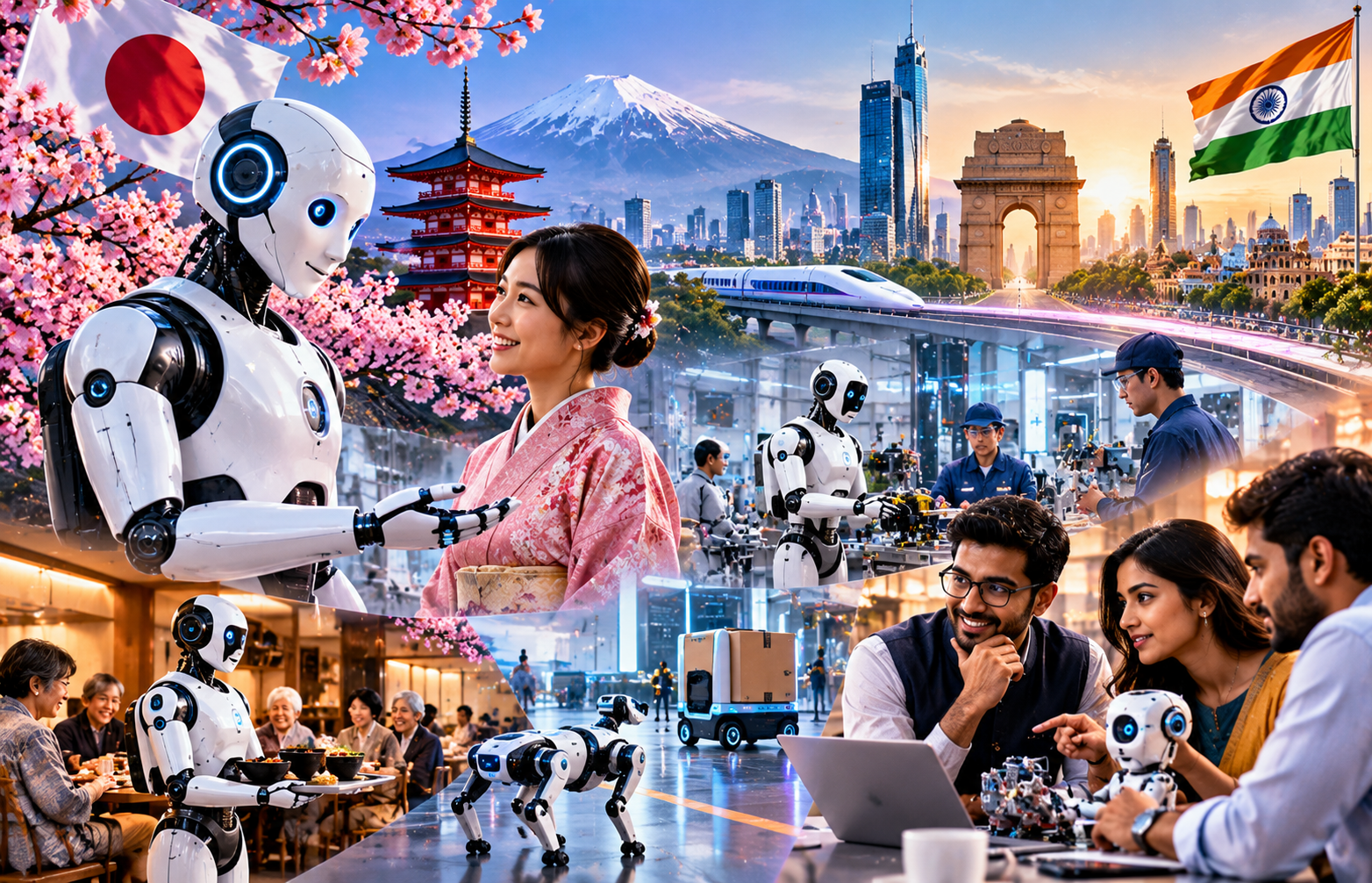
Japan has long been known as a nation of technological innovation, but 2026 marks a new milestone in the country’s technological leadership. Humanoid robots powered by advanced artificial intelligence are now being deployed at scale in hospitals, factories, elderly care homes, and even schools across Japan — offering a glimpse of a future that is arriving faster than most people anticipated.
The Humanoid Robot Boom
Japan’s leading robotics companies — Honda, Softbank Robotics, Toyota, and dozens of innovative startups — have made remarkable strides in creating robots that can navigate real-world environments, interact naturally with humans, and perform complex tasks. The government’s “Society 5.0” initiative has invested heavily in this sector, with robots increasingly filling roles in a country with a severe demographic crisis: Japan’s population is aging rapidly and shrinking, creating acute labor shortages.
Key Breakthroughs
- Medical Robots – Surgical robots capable of performing minimally invasive procedures with precision exceeding human surgeons are now operational in 200+ Japanese hospitals
- Elder Care Robots – AI companions for Japan’s elderly population, providing physical assistance, emotional support, and health monitoring
- Construction Robots – Autonomous machines that can lay bricks, weld steel, and handle dangerous construction tasks
- Agricultural Robots – Robots that pick fruit, tend crops, and manage farms with greater efficiency than human workers
Lessons for India
India is watching Japan’s robot revolution closely. While India’s demographic situation is the opposite — a young, growing population — the technology lessons are universally applicable. India’s manufacturing sector, in particular, could benefit enormously from robotics adoption to compete with China’s factory floor efficiency. The government’s Production Linked Incentive (PLI) scheme now includes robotics manufacturing as a priority sector.
Follow India BBC News for more on technology, innovation, and India’s future in the global economy.
For readers and citizens trying to make sense of a rapidly changing landscape, the most useful approach is to track credible reporting, maintain a healthy scepticism about unverified claims, and remember that initial reports are often incomplete. The full picture takes time to emerge — but when it does, it usually tells a richer and more nuanced story than the first headlines suggested.