


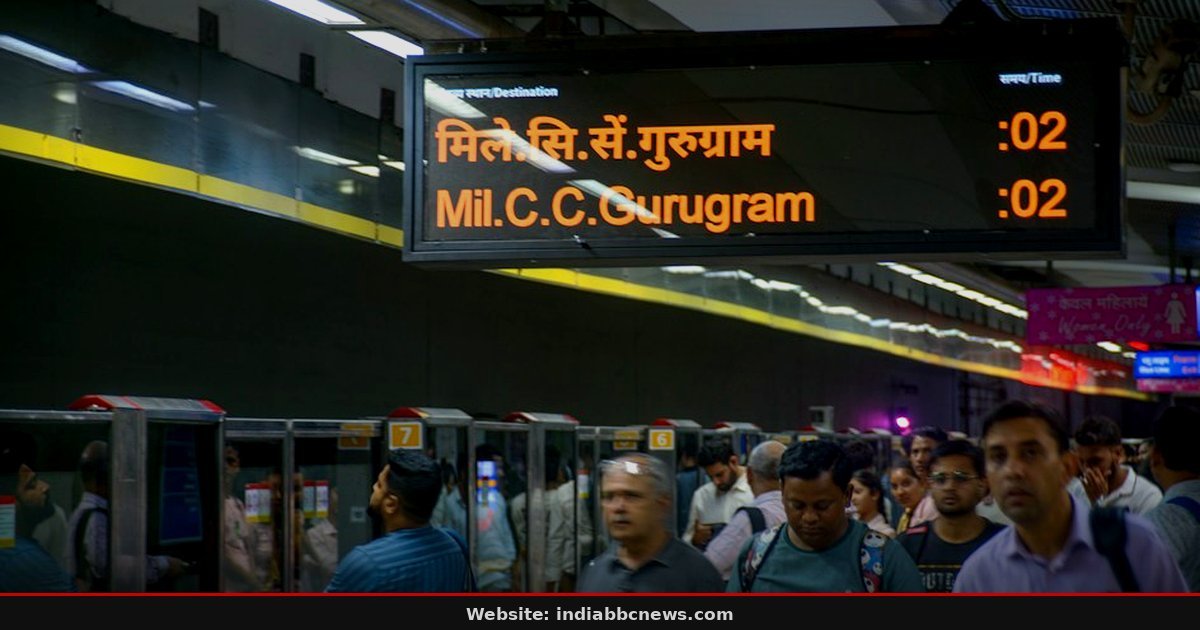
Saurav Das sat on the cold plastic chair in Terminal 3, his carry-on bag zipped tight, watching the digital board flicker. The flight to London was boarding in 20 minutes. He didn’t move. Not because he was tired, but because an officer in a crisp uniform was holding his passport, turning it over with a skepticism that felt almost personal.
Das, the co-convenor of the Cockroach Janata Party, has been stopped from leaving India. His documents are under review. It’s a stark reminder that for some political figures, the freedom to travel is just a paper trail away from disappearing. The airport was busy, the usual chaos of lost luggage and crying toddlers, but at that gate, silence reigned.
Nobody spoke. That silence is louder than the announcements.
The Stoppage at Indira Gandhi Airport
Immigration authorities flagged Das’s passport during a routine check. They pulled him aside, a standard procedure that usually takes seconds, not hours. Then the clock started ticking. Officials told reporters that his identity documents were part of an ongoing review, a phrase that carries a lot of weight in Delhi’s bureaucratic corridors.
It’s not just about a date of birth or a missing signature. It’s about verifying why this man, with his unconventional title, is trying to cross borders.
The delay stretched past the boarding time. His companions sat nearby, watching their phones, waiting for a phone call that never came. The airline staff stood by, helpless, bound by regulations they didn’t write. Das remained calm, or at least, he looked it.
Inside, the knot in his stomach must be tight. Being held at the gate isn’t just an inconvenience; it’s a message. It says, “We are watching.” It’s a hard pill to swallow when you’ve spent years fighting for visibility. The scene played out in real-time, witnessed by hundreds of strangers who didn’t know who he was.
They saw a man stuck in a system that moves slowly when it wants to. Cockroach Janata Party isn’t a typo. It’s a real political entity, a niche player in the chaotic world of Indian grassroots activism. Das co-runs this group, which uses sharp, often offensive humor to critique the establishment. Their rallies are small, their following is loud, and their impact is disproportionate to their size.
Who is Saurav Das?
It’s a vehicle for dissent that mainstream parties ignore at their peril. The name alone is enough to make bureaucrats pause and take notes. It signals trouble. It signals disruption.
And disruption is something the state manages carefully. Das isn’t a household name like Rahul Gandhi or Kejriwal. He’s a street-level agitator, someone who gets in your face with slogans that sting. His politics are raw, unpolished, and designed to cut through the noise of sanitized campaign promises. For years, he’s traveled across states, attending conferences and meetings.
This is the first time his papers have been the issue. Or maybe they’ve been flagged before, quietly, without the public spectacle of an airport hold. The scrutiny now is different. It’s louder.
It’s public. And that changes the dynamic entirely. It turns a personal inconvenience into a political event overnight.
The Broader Crackdown on “Unwanted” Voices
This incident doesn’t happen in a vacuum. It’s part of a larger trend where authorities tighten the noose on individuals who operate outside the approved political spectrum. We’ve seen similar stops with journalists, activists, and even corporate figures in recent years. The tools are new, but the intent is old.
Control the narrative. Stop the messenger. It’s a playbook that has been refined over decades of tracking dissent. The difference now is the speed.
Digital records make it easier to flag a name the instant a phone number is mentioned in a protest chant. It’s efficient. It’s cold. And it’s harder to fight when the system is automated.
Legal experts say that stopping a citizen at the border on the basis of “identity review” is a gray area. You can have your papers checked, sure. But holding someone indefinitely without a clear charge? That’s a different animal.
It creates a chilling effect. If you know your passport might be the issue, you stop traveling. You stop speaking. You self-censor.
That’s the win for the state. Not the arrest. The silence. It’s a subtle form of punishment that leaves no paper trail to challenge in court.
And it works. It has worked before. It will work again. The question isn’t whether Das will fly.
It’s whether anyone else will even bother asking about his documents next time. For the average Indian traveler, this is a distant fear. We worry about delays, lost bags, and high fuel surcharges. We don’t worry about our nationality being questioned at the passport control counter. But this is the price of living in a state that prioritizes security over speed.
What This Means for India’s Travelers
It’s a small tax on freedom. Not monetary. Psychological. Every time you walk up to the counter, there’s a tiny, nagging thought in the back of your mind.
Am I on the list? Is my history clean? It’s irrational, maybe. But it’s also very real.
The line between a “routine check” and a “political stop” has never been clearer. It’s blurry. And that blurriness is by design.
For Indians abroad, this is a reminder that home is not always welcoming. Whether you’re in London, Singapore, or New York, your connection to India is not just cultural; it’s regulatory. Your parents, your relatives, your friends—they are subject to the same scrutiny if they are seen as “troublemakers.” Or if they are associated with someone who is. It’s a web of accountability that extends beyond the individual.
It’s a heavy burden to carry while trying to build a life elsewhere. You don’t want to be the name in the database. You want to be invisible. That’s the new normal for many.
To be forgotten by the system is the safest place to be. To be remembered is to be vulnerable.
The Airline’s Dilemma and the Cost of Delay
Airlines don’t like problems. They like empty seats filled with cash. When a passenger is held up, it’s a logistical headache. The seat flies empty.
The revenue is gone. The reputation takes a minor ding. I saw the cabin crew standing near the gate, checking their watches, looking uncomfortable. They are trained to be helpful, but they are not trained to be lawyers.
They can’t override the immigration officer. They can’t argue the legal merits of the review. They just wait. It’s an expensive wait.
And it’s frustrating. The passenger is angry, the crew is stressed, and the airline is bleeding money. Nobody wins here. It’s a lose-lose situation that serves no one but the timeline of the review.
The clock keeps ticking. The board keeps updating. And the passenger keeps sitting.
There’s a financial angle to this that the news rarely covers. The cost of holding a passenger isn’t just the rebooking fee. It’s the upstream disruption. The hotel, the car, the meetings booked in London.
All of it becomes uncertain. For a businessman, it’s a disaster. For Das, it’s a statement. He’s not a businessman.
He’s a political figure. So the cost is different. It’s symbolic. It’s about visibility.
By stopping him, the state is telling his supporters that they can do this. They can stop him. They can delay him. It’s a power play.
It’s cheap for the state. It’s expensive for the individual. And it’s effective. It’s a reminder that the ground rules have changed.
The old rules of free movement are dead. The new rules are flexible. And flexibility, in the hands of the powerful, is just another word for whim.
Frequently Asked Questions
Why was Saurav Das stopped at the airport?
Immigration authorities flagged his passport during an identity review. Officials confirmed his documents are under scrutiny, leading to the hold. They did not specify the exact nature of the query.
Can you be stopped from leaving India without a charge?
Yes, under certain laws regarding border security and identity verification. It’s a precautionary measure. However, indefinite detention without a clear legal basis is rare and usually contested.
What is the Cockroach Janata Party?
It is a political group known for its satirical and aggressive criticism of the government. It operates outside the mainstream political framework. Its members often face controversy for their methods.
How long can immigration hold a passenger?
There is no fixed legal time limit for a “routine” check. It can last minutes or hours. If it becomes a formal detention, different legal timelines apply. It depends on the complexity of the review.
Will Saurav Das be allowed to fly eventually?
It’s likely, once the review is complete. But the delay itself serves as a deterrent. The outcome of the document check is unknown at this stage. He may fly next week, or he may not.
Source: The Hindu
Source: The Hindu

