


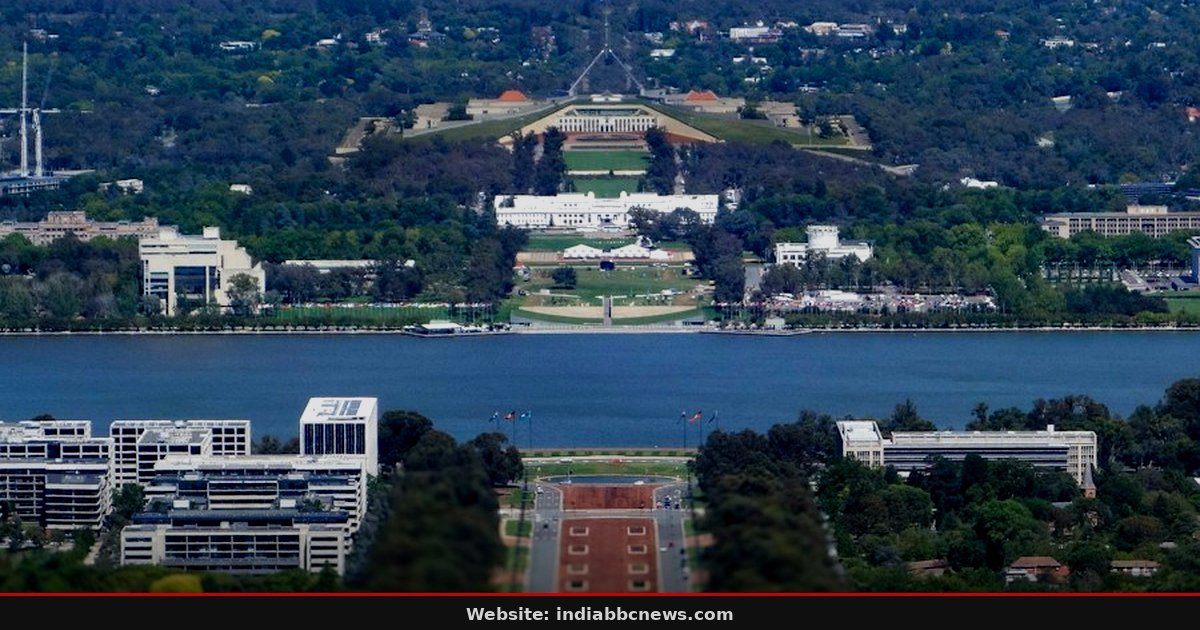
Chalmers Warns Economy Faces ‘Serious Moment’ as Inflation Bite Lingers
Jim Chalmers didn’t mince words. The Australian Treasurer told reporters in Canberra that the economy is facing an “especially difficult” period, a stark admission from a man who has long preferred quiet competence over dramatic pronouncements. He called it a “very serious moment.” The phrase hung in the air of the press gallery, heavy with the weight of rising costs and shrinking household budgets that have defined the last 24 months. This isn’t just a policy shift; it’s an acknowledgment that the safety net is straining under the weight of persistent inflation.
The “Most Substantial Preview” in Treasury History
Chalmers described his Monday statement as likely to be the biggest preview of a mid-year update he has seen in the building. It’s a bold claim for a bureaucrat, but the numbers back it up. The government is preparing to respond in “substantial ways,” a diplomatic way of saying they are cutting deeper than usual.
This moves beyond small tweaks. It suggests a fundamental re-evaluation of spending priorities. Why wait for the formal update when the pressure is already breaking the dam? The treasurer admitted that the combination of economic issues has forced a premature reaction. It’s rare for a finance minister to signal such a sharp pivot before the official data drops.
Inflation That Refuses to Die
The core problem is stubbornness. The Reserve Bank predicted inflation would fall into the target band by 2027, but the interim period is a painful stretch. Chalmers noted that prices would “hang around for a bit longer than anyone would like.” That’s a harder sell than it sounds, especially for families watching their grocery bills climb for the fourth consecutive year.
Real wage growth, the metric that actually determines quality of life, is expected to return only in 2027. Until then, households are effectively poorer. The Treasurer acknowledged that 2026 had been an “especially difficult year.” There is no quick fix, only the slow, grinding work of waiting for the cycle to turn. People didn’t ask for patience; they asked for relief.
What This Means for India’s Global Economic Position
For Indian readers, this isn’t just distant drama. Australia is a top trading partner, particularly for energy and education. If Canberra tightens its belt, it affects the flow of capital to Indian markets. Indian expats in Sydney, the largest non-UK population in the city, feel this squeeze directly. Their remittances, while still flowing, are under pressure as local costs rise.
This creates a subtle shift in global capital flows. As Australia faces a “serious moment,” some investors might look elsewhere for stability, potentially boosting interest in Indian bonds or equities. But it also means a stronger Australian dollar could make Indian exports to Australia slightly less competitive. The ripple effect is real, and it starts with the price of a cup of coffee in South-east Sydney. Nobody in the room looked convinced that this pain would pass quickly.
Source: Guardian World
Source: Guardian World

