


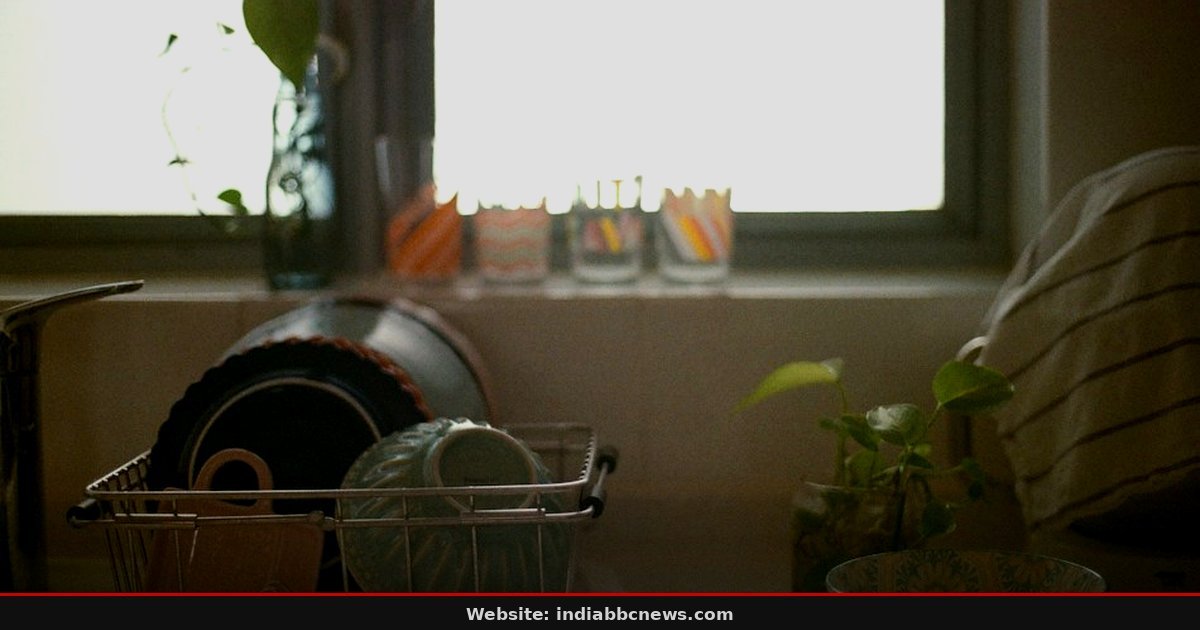
Holly’s hands shake as she holds the ceramic bowl, a thin film of lukewarm water swirling at the bottom. She is 49, living in Powys, Wales, and she is washing herself with dishwater. It’s not a metaphor. Every morning and evening, she dips a cloth into that bowl to scrub her skin because the electricity to heat water for a full shower is currently priced out of her reach.
Her husband eats sandwiches. That’s his entire diet now. She wears three layers of jumpers in a mild winter, not for comfort, but to stop the cold from sinking into her bones.
This isn’t just about frugality; it’s about survival. Holly suffers from chronic obstructive pulmonary disease (COPD), serious fluid on the heart and lungs, and the cold air in her home is killing her. Her electricity bill has doubled from £90 to over £200 a month. She is £400 in debt to her supplier.
The Ofgem price cap is set to jump 26% in January. For Holly, that number feels like a countdown. Her anxiety, she says, is “through the roof.”
The Arithmetic of Hunger in Ystradgynlais
The numbers are brutal in their simplicity. Ofgem has confirmed the new price cap, which sets the maximum price for each unit of energy for households on variable tariffs. Electricity will rise from 26.32p to 32.69p per kilowatt-hour. Gas will jump from 7.97p to 10.96p.
For an average household, that means an annual bill shock of £443, pushing the total to £2,166. But for Holly, the math doesn’t add up to £2,166. It adds up to starvation.
Her husband is on a liquid diet due to health issues, and he survives on cheap sandwiches. Holly uses a thermos flask for her coffee to avoid repeatedly boiling the kettle, a small act of conservation that saves pennies but drains her pride. She told reporters, “You shouldn’t have to live like this.” The Ystradgynlais Volunteer Centre is her refuge, a place that offers a food bank, a warm cafe, and second-hand furniture. It’s not a charity case; it’s a lifeline for a community that has been bled dry by years of rising costs. The scale of the cut is profound; it’s not just a bill, it’s a choice between heating and eating.
COPD and the Cold: A Deadly Combination
For someone healthy, a cold home is uncomfortable. For Holly, it is a medical emergency. COPD makes breathing difficult, and cold air constricts the airways, making the condition significantly worse. She is also being treated for fluid on the heart and lungs, a condition that can deteriorate rapidly if the body is stressed by cold.
Doctors have warned that keeping a home above 18°C is essential for patients with respiratory and cardiac diseases. It’s a standard injunction, one that many medical practitioners consider non-negotiable.
Yet Holly keeps the heating off. She turns the radiator valves in the bedrooms to the minimum, leaving only the living room slightly warm. It’s a strategy of triage. She survives the night by sitting near a single radiator, wrapped in blankets.
The risk is real and immediate. Ben Saltmarsh from the energy poverty charity NEA Cymru noted that many households have “used up financial buffers,” leaving them with nothing to fall back on. The cost of keeping warm is now higher than the cost of the disease it is supposed to prevent. It’s a paradox that no government policy document seems to fully grasp.
The human body, in the end, is the most vulnerable piece of infrastructure in the room. The energy debt crisis is no longer a slow burn; it is a wildfire. Energy UK estimates that total household debt to energy providers will hit £7bn by the end of 2026. Holly is part of this statistic. Her £400 debt is a tiny fraction of the whole, but it represents a complete loss of autonomy.
The Record-Breaking Debt Trap
She has agreed to a repayment plan, which means every pound she earns goes to the utility company before it goes to the shop. She is effectively working for her energy supplier.
Officials have downplayed the crisis, pointing to the £100 household energy payment and the £150 Warm Home Discount. But these are drop-in-the-ocean gestures. They are political calories, symbolic rather than substantive. The Welsh government has also confirmed it will pass on the extra £100 payment, extending it to anyone receiving council tax support.
It’s a small comfort. Saltmarsh called on governments to “act now to meaningfully help those most in need.” The phrase “meaningfully help” is doing a lot of heavy lifting in that sentence. Most people in Holly’s position don’t need a £100 voucher; they need a structural change in how energy is priced and subsidized. The current system rewards usage, not survival.
It’s a failure of basic human logic.
What This Means for India: The Ripple Effect
This story is not isolated in the West. The energy crisis in the UK is a mirror for India, reflecting a future that many Indian households are already navigating. While the UK struggles with gas and electricity prices, India is grappling with the cost of fuel and the volatility of global markets. The 26% jump in UK energy prices echoes the recent spikes in fuel costs in India, where even small increases in petrol and diesel prices send shockwaves through the basket of goods. For the Indian middle class, the cost of living is rising at a pace that outstrips wage growth, creating a similar “debt trap” where essentials become luxuries.
The India angle is also about policy. The UK’s reliance on a price cap is a response to market volatility, but it has failed to protect the most vulnerable. India, with its vast subsidized energy sector, faces the challenge of balancing fiscal responsibility with social welfare. The rise in global oil prices directly impacts India’s trade deficit and inflation.
As India positions itself as a key player in the global energy transition, it must learn from the UK’s mistake: that energy affordability is not a niche issue, but a core component of economic stability. The lesson is clear. If you cannot afford to heat your home, you cannot afford to live in it. This is a warning shot for Indian policymakers who are looking at green energy investments without adequate social safety nets.
The human cost of energy transition must not be borne by the poorest. It’s a hard truth, but it’s one that demands action.
The Shortfall in “Breathing Space”
The UK government claims to have “taken immediate action to give people breathing space.” From January, up to 20 million households will receive £100 towards their energy costs. Around 6 million will also receive the £150 Warm Home Discount. These figures are impressive in isolation. But they are woefully insufficient against the backdrop of a 26% price rise.
The average household bill will rise by £443 a year. The £100 payment covers less than 25% of that increase. It’s a bandage on a bullet wound.
Furthermore, the cap does not apply to fixed deals, meaning many people will not see the immediate relief until their contracts end. And it does not cover off-grid households, who pay for heating oil and are not protected by the cap. Holly’s neighbor uses heating oil, and his bills have tripled. The support is fragmented, inconsistent, and often hard to access.
The “Claim What’s Yours” campaign in Wales is a bureaucratic maze. For a person with COPD and a partner on a liquid diet, navigating that maze is a luxury they cannot afford. The system is designed for the able-bodied and the well-informed. It is not designed for people who are drowning.
The gap between policy and reality is vast, and it is widening every day. The price cap is set by Ofgem based on the wholesale costs faced by energy suppliers over a three-month period. Recent spikes in global energy prices, driven by geopolitical tensions and supply constraints, have pushed these costs up significantly. The 26% rise reflects the current market reality, even though wholesale prices have recently fallen slightly.
Frequently Asked Questions
Why did the UK energy cap increase by 26%?
What is the difference between the price cap and a fixed deal?
The price cap sets a maximum price per unit of energy for households on variable tariffs. If you are on a fixed deal, your price remains unchanged until the end of your contract term. However, once the deal expires, you will likely be moved to a variable tariff or a new fixed deal, which may be higher than the current cap.
How does the energy price rise affect India?
While the UK is affected by gas and electricity prices, India is more impacted by oil prices. A rise in global energy costs increases India’s import bill, widens its trade deficit, and contributes to higher inflation. This makes essential goods more expensive for Indian consumers, mirroring the cost-of-living crisis seen in the UK.
What can households do to reduce their energy bills?
Experts suggest lowering the thermostat to 18°C, turning off pre-heat facilities on combi boilers, and washing clothes at 30°C. Blocking draughts and using a thermos flask for hot water can also save money. However, for those with health conditions, these measures may not be enough to offset the price rise.
Is the £100 household energy payment enough?
Most experts say no. The average household bill is rising by £443 a year, so the £100 payment covers less than a quarter of the increase. It is seen as a symbolic gesture rather than a substantive solution to the energy poverty crisis. More structural support is needed to help low-income households.
Source: BBC Business
Source: BBC Business

