


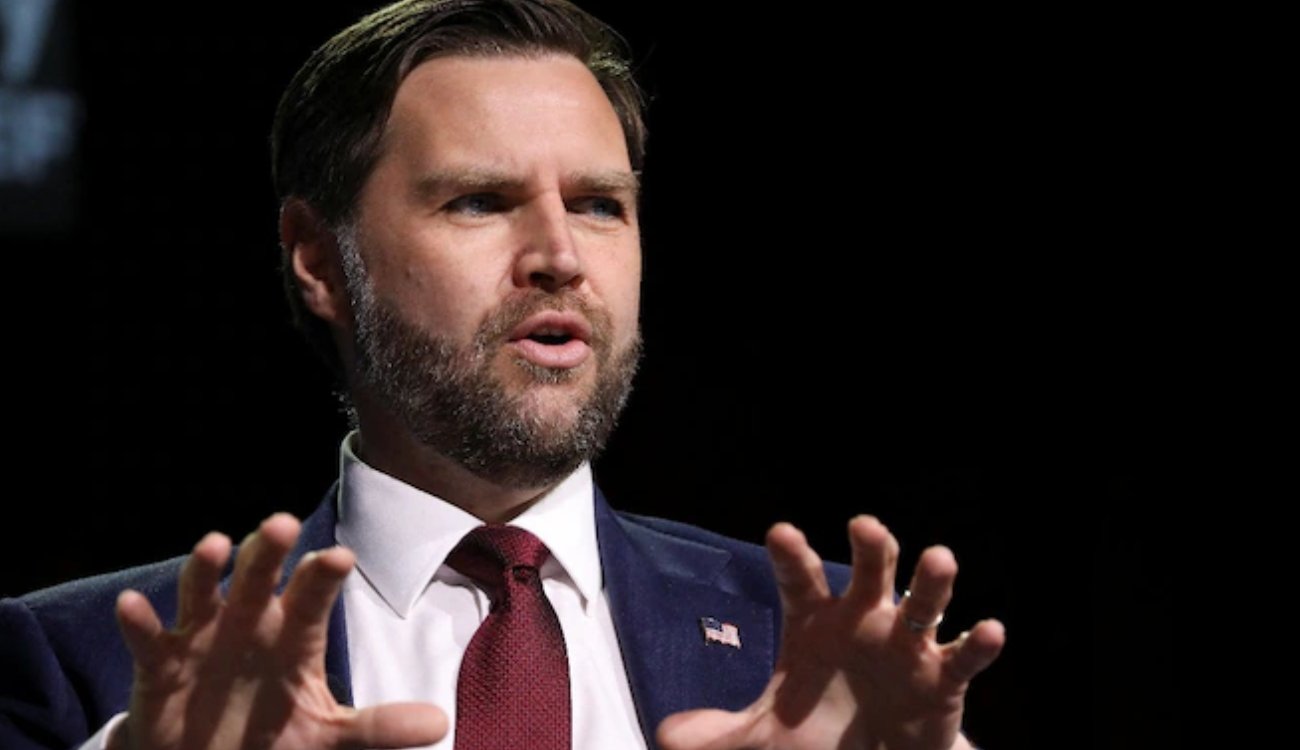
JD Vance’s planned visit to Pakistan has been put on hold following the deterioration in security conditions that followed India’s Operation Sindoor and Pakistan’s response. The postponement, announced by the US State Department, reflects the obvious: a senior American official visiting Pakistan during a period of active India-Pakistan military exchange carries risks that American security planners aren’t willing to accept.
What the Visit Was Supposed to Accomplish
The Vance Pakistan trip had been planned as part of the broader US diplomatic engagement across South Asia — a region that the Trump administration has been more actively engaged with than its predecessor, partly because of the China competition dynamic and partly because of the economic opportunities that India and Pakistan both represent.
The specific agenda items included: discussion of Pakistan’s economic relationship with the IMF, the security situation along the Afghanistan border, and what US officials describe as “counterterrorism cooperation” — a phrase that means different things in Islamabad and Washington but that both sides find useful to invoke.
Why “On Hold” Is Significant
The postponement signals American discomfort with appearing to favour either side during the India-Pakistan exchange. A visit to Pakistan while Indian strikes are ongoing — or while Pakistan is responding — would be read in Delhi as implicit endorsement of Pakistan’s position. Cancelling preserves American space to claim neutrality as a potential mediator.
Whether that neutrality is genuine or merely tactical is a question that both New Delhi and Islamabad are working through. India’s traditional position is that outside mediation in India-Pakistan disputes is unwelcome. Pakistan’s traditional position is the opposite.
The US, as usual, is trying to manage relationships with both without fully satisfying either.

