


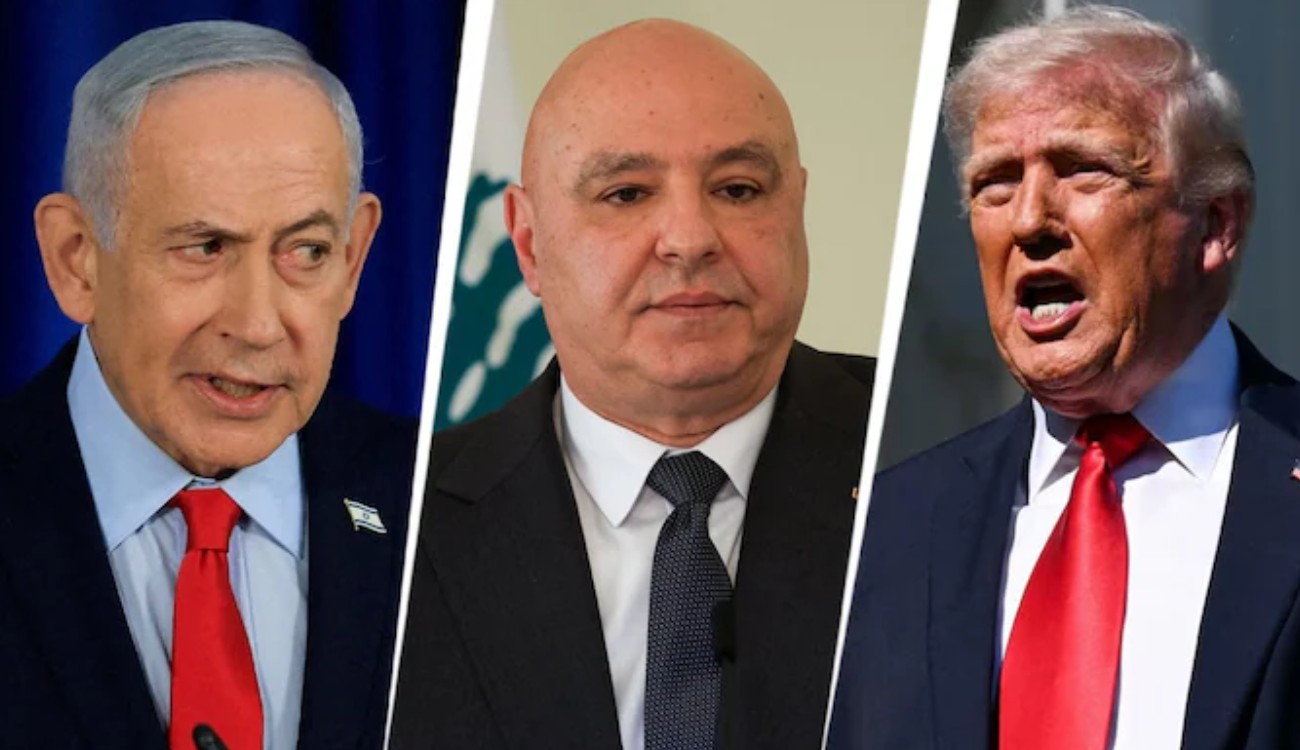
Trump announced on social media that Israel and Lebanon had agreed to a 10-day truce. The formulation “solved 90 percent of the problems” appeared in the same post — a characteristically numerical claim about a fundamentally political situation.
The announcement was followed within hours by questions about what exactly had been agreed, by whom, and with what enforcement mechanism. Those questions remain partially unresolved.
What Was Actually Agreed
The truce, as described by US officials in background briefings, involved Israel agreeing to pause certain strike operations in Lebanon and Lebanon — meaning specifically Hezbollah and the Lebanese government — agreeing to prevent offensive operations against Israeli territory. The 10-day period was described as a “cooling period” rather than a permanent ceasefire framework.
The mechanism: US diplomatic contacts with both sides, with Qatar and Egypt serving as communication channels on the Lebanese side. Direct US-Hezbollah contact is not something Washington acknowledges.
The “90 Percent” Claim
The specific figure — “90 percent of the problems solved” — is vintage Trump communication: specific-sounding, impossible to verify, and designed to claim credit before events can complicate the claim. It frames whatever happens next as addressing the remaining 10 percent, which gives significant rhetorical flexibility.
In practice, the problems between Israel and Hezbollah that a 10-day truce addresses are tactical — the immediate exchange of fire. The problems that produced the conflict in the first place — Hezbollah’s weapons stores, its political status in Lebanese governance, Iran’s relationship with it — are not addressed by a 10-day pause.
What the 10 Days Are For
Short truces in the Middle East function as negotiating periods — time for parties to assess whether a longer arrangement is achievable and under what terms. Ten days is short enough that neither side is committing to anything politically costly, while being long enough to create a framework for the next conversation.
Whether it holds depends on what happens on both sides during the 10 days.

