


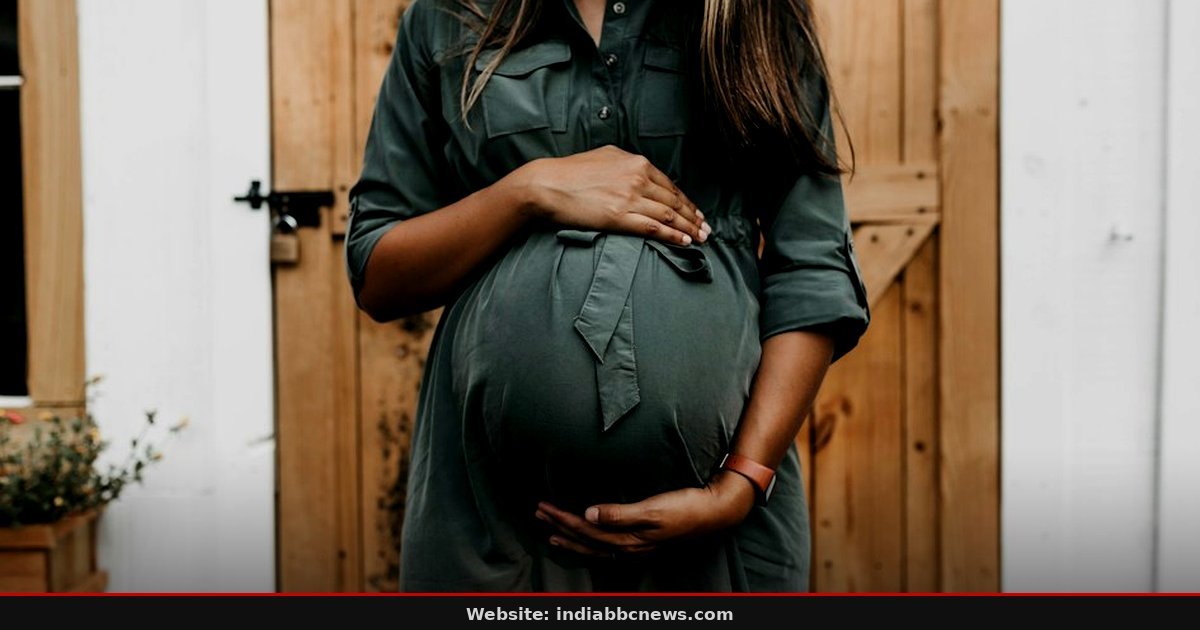
Four pounds, two ounces of dust and rebar. That was the first thing the paramedics saw when they pulled a woman from the crushed concrete on Flatbush Avenue. She was six months pregnant. Her husband, standing ten feet away in a jacket that no longer fit his shoulders, didn’t move.
He just watched the stretcher wobble across the uneven ground, his phone dead in his hand, his face a mask that wasn’t quite shock and wasn’t quite relief. It was something worse. It was the exact moment between hope and grief where the brain refuses to process the input.
The three-story building, a mix of apartments and a ground-floor store, didn’t just fall. It imploded. Around 4 p.m. on Wednesday, it sank into an open construction pit next door like a stone dropped in mud. Two people were killed.
Seventeen others were injured. The incident has turned a quiet Tuesday afternoon into a prolonged nightmare for one of New York City’s most diverse neighborhoods, raising immediate and terrifying questions about the city’s crumbling infrastructure and the safety of its residents.
The 90 Seconds That Changed Everything
Witnesses describe the sound first. Not a crash, but a groan. A low, structural moan that vibrated through the pavement and into the bones of anyone standing nearby. Then, the dust.
It rose up like a grey cloud, swallowing the sky over Flatbush Avenue for thirty seconds. By the time the air cleared, the building was gone. It had dropped straight down into the excavation site, which was essentially an open wound in the middle of the street. The geometry of the collapse was brutal.
The upper floors didn’t scatter; they pancaked. The floors stacked on top of each other, crushing the apartments below into a solid block of debris. There was nowhere to run. There was no time to react.
The entire sequence, from the first crack to the final settling of the concrete, reportedly took less than two minutes. It is a speed that defies human reaction time, leaving victims buried before they even knew they were falling.
City authorities say the response was immediate, but that word feels inadequate now. Mayor Zohran Mamdani confirmed that firefighters arrived within sixty seconds of the first 911 call. That is a record. It is also a terrifying stat.
It means that if you are in a building like this, you have no margin for error. You do not have time to grab your keys. You do not have time to check on your kids. You have time to scream.
The speed of the collapse suggests a catastrophic failure of the support structure, likely exacerbated by the weight of the excavation next door. Experts on urban infrastructure have seen this before. When you dig next to an old building without proper shoring, you are playing Russian roulette with gravity. The soil cannot support the load.
The foundation shifts. And then, everything comes down. The fact that it happened in broad daylight, in front of witnesses who watched their neighbors disappear, makes this not just a disaster, but a public trauma.
Search and Rescue in the Blinding Dark
The night was long. It is always long in New York, but this one felt different. Hundreds of responders swarmed the site, their lights cutting through the gloom like searchlights in a war zone. They worked in shifts, rotating off thick, heavy canvas tarps that were soaked with sweat and rain.
The operation was chaotic but coordinated. Sniffer dogs, treated with a reverence usually reserved for family members, paced the edges of the rubble, their noses twitching in the cold air. They are trained to detect the scent of life, but they are also trained to accept that often, there is no life left to find. The sound of the site was a constant, agonizing hum.
Hydraulic saws cutting through steel beams. The rattle of debris shifting. The voices of commanders shouting directions over the noise. It is a symphony of effort that masks a simple, desperate question: Is anyone still down there?
By 6:15 p.m., the tension peaked. FDNY crews spotted movement near the lower levels. It wasn’t a victim calling for help. It was a hand.
A pale hand, emerging from a gap in the concrete, clutching at the air. The rescue team froze. They stopped the saws. They stopped the digging.
For a moment, the entire street held its breath. Then, the noise came back. The cutting resumed, but slower this time. More precise.
Using diamond-tipped drills and small hand tools, they carved a tunnel through the wreckage. They had to work in inches. One wrong move, one slight shift in the unstable structure, and the tunnel would collapse, burying the victim completely. It is a process that requires more skill than brute force.
It requires patience. It requires the kind of calm that can only be learned through years of dealing with the worst moments of human life. When they finally reached her, the sound that went up from the crew wasn’t a cheer. It was a sigh.
A collective release of tension that had been building for two hours. The man’s name is not in the official reports. He is just the husband. He stood outside the cordon tape, holding a phone that would not connect. The network was down.
A Husband’s Silence on Flatbush Avenue
It was a small, digital failure in the middle of a massive physical catastrophe, but to him, it was the wall between him and his survival. He paced. He shouted. He pleaded with the officers to let him through.
He was denied. It is standard procedure, but it is a soul-crushing procedure. He had to wait. He had to trust that the people in the hard hats knew what they were doing.
He had to trust that she was still alive. That is a heavy burden to carry. It is a burden that weighs more than any rubble. When the update finally came, at 6:30 p.m., it was relayed by a stranger.
A public advocate, Jumaane Williams, who had been witnessing the scene. He stepped forward, his voice hoarse, and told the man his wife was alive. The man didn’t smile. He didn’t cry.
He just slumped against the car parked behind him, his hands shaking so badly he couldn’t hold his phone. It was a moment of pure, unfiltered human vulnerability. It was raw. It was ugly.
It was real. Footage from CBS News shows the woman being pulled from the ruins. She is covered in white dust. Her face is streaked with grey. But she is conscious.
She is alert. She is breathing. The paramedics wrap her in a blanket, their movements gentle but urgent. They load her onto a stretcher, moving slowly over the broken ground.
The men in hard hats surround her, forming a wall of safety. They are not just carrying a patient. They are carrying a miracle. The scene is far from the clean, efficient montage of action movies.
It is messy. It is dirty. It is terrifying. But it is also undeniably hopeful.
The fact that she survived, despite being crushed under tons of concrete, is a testament to the luck of the draw. It is also a testament to the speed of the response. Without that one-minute arrival time, she would not be here. She would be one of the two names on the death list.
Instead, she is a survivor. And her husband is a man who has been given a second chance at his life.
What This Means for India’s Urban Expansion
This story is not just about Brooklyn. It is a mirror. It is a warning. As India races to build smart cities and high-rise apartments in its metropolitan centers, the lesson here is stark: vertical ambition without horizontal stability is a recipe for disaster.
The collapse in Brooklyn happened because of a nearby excavation. It was a failure of coordination between the developer and the adjacent building owner. In India, this link is often broken. We see it in places like Noida, where high-rises are being built next to older, unbraced structures.
We see it in Pune, where construction pits are dug without adequate shoring. The engineering standards on paper are often strong, but the enforcement on the ground is weak. Corrosion, cost-cutting, and time pressure are the invisible enemies. When a building fails, it is rarely because of a single error.
It is because of a thousand small compromises. The Brooklyn collapse is a case study in how those compromises add up. It is a lesson that Indian municipal bodies need to hear right now, before the next tremor hits.
The implications for Indian markets are subtle but significant. Real estate developers in India are under pressure to deliver faster. Investors want returns. Tenants want affordability.
This pressure creates a rush. And in a rush, details get lost. The cost of a proper shoring system is high. The cost of a delay is even higher.
So, shortcuts are taken. The Brooklyn incident highlights the deadly cost of those shortcuts. For Indian regulators, the message is clear: safety is not an optional add-on. It is the foundation.
If the foundation is weak, the skyscraper is just a monument to greed. The fact that two people died, and seventeen were injured, is a statistic that should haunt every developer in Mumbai, Delhi, and Bengaluru. It is a reminder that the ground is not just dirt. It is a living thing.
It reacts. It shifts. It punishes negligence with full force. We need to look at our own construction sites with fresh eyes.
We need to ask: Are we shoring? Are we testing? Are we listening to the ground? Or are we just building?
The answer to that question will determine whether we avoid a similar tragedy, or whether we are just waiting for the dust to settle. There is a second casualty here. It is less visible. It is trust. The residents of Flatbush Avenue are the ones who will have to live with this memory.
The Erosion of Trust in Public Space
They will look at the building next door and feel a flinch. They will hear a rumble in the street and freeze. It is a psychological scar that does not heal with time. It is a change in behavior.
It is a loss of safety. The city promised that its buildings were safe. It promised that its infrastructure was sound. That promise is now broken.
The investigation will take months. The reports will be filed. The fines will be paid. But the fear remains.
It is a hard sell to convince a community that the next building will hold. It is a hard sell to convince a family that their loved ones will come home. The emotional fallout of this event will shape local politics for years. It will drive votes.
It will drive policy. It will drive anger. The city cannot just patch the hole. It has to patch the trust.
And that is a much harder job than fixing the concrete. The atmosphere in the neighborhood is tense. Neighbors are checking the foundations of their own buildings. They are looking for cracks. They are listening for sounds.
It is a collective act of vigilance. It is also a collective act of fear. The authorities are asking people to stay away from the site. They are asking for patience.
They are asking for trust. But how do you ask for trust when the ground itself has betrayed you? The incident has exposed a deep anxiety in urban living. We trust the ground to hold us up.
We trust the engineers to do their math. We trust the regulations to be followed. When one of those links fails, it is a total collapse. Not just of the building, but of the social contract.
The community is now asking the hard questions. Who is responsible? Who cut the corners? Who looked away?
These questions will not go away. They will linger. They will fester. And they will demand answers.
The silence of the officials will not be enough. The reports will not be enough. The community wants accountability. They want to know that it will not happen again.
They want to know that the next building will stand. They want to know that they are safe. And until that assurance is given, the fear will remain. It is a heavy weight.
It is a weight that no one wants to carry. Initial reports suggest the building collapsed into an open construction pit next door. Engineers believe the excavation may have destabilized the foundation, causing the structure to fail under its own weight. The exact cause is still under investigation by city authorities.
Frequently Asked Questions
Why did the Brooklyn building collapse?
How many people were injured or killed?
At least two people were killed in the incident. Seventeen others were injured, including seven children and one firefighter. A pregnant woman was rescued in critical condition but is conscious.
Is the area safe for residents now?
Authorities have advised residents to stay away from the immediate vicinity due to the risk of a secondary collapse. The site is unstable, and debris could shift without warning. A perimeter has been set
Source: The Independent World

