


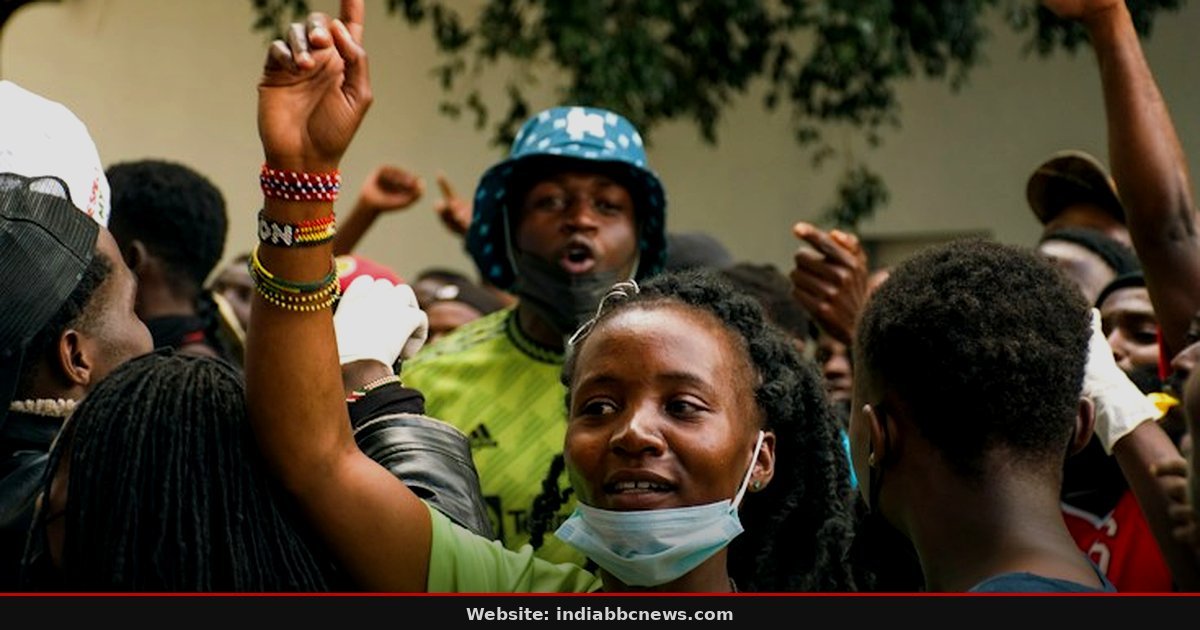
42,000. That is the number police in France estimate were on the streets when students took back their campuses last Tuesday. The autumn break is over. The protests are not.
What started as a grumble about university funding has metastasized into a full-scale blockade that has paralyzed major institutions from Paris to Marseille. The atmosphere is tense, but the energy is undeniable. This is no longer just about tuition fees; it is about the very structure of higher education in Europe.
The Blockade Cripples Mainland Campuses
Dozens of universities shut their doors on November 2, refusing to let staff or students inside. It wasn’t a polite sit-in at the front gates. Barricades were set up, and in some cases, physical confrontations with police became the norm. The sheer scale of the closure caught administrators off guard.
They didn’t have a contingency plan for this level of disruption. Classes that were supposed to resume after the break never happened.
The Ministry of Higher Education tried to send a calm message, but it fell flat. Officials confirmed that they were working with rectors to find a way forward, but there’s no timeline. That’s a harder sell than it sounds when parents are calling in daily, worried about their children missing critical exam periods. The academic calendar is now in disarray.
Lecturers are frustrated, students are angry, and the government looks helpless. Nobody in the room looked convinced that a quick fix was possible, yet everyone pretends otherwise to save face.
From Budget Cuts to Existential Crisis
The trigger was a budget proposal that effectively froze hiring in the education sector for 3 years. But the roots run deeper. Students have been protesting for weeks about the rise in vocational courses replacing traditional academic tracks. They feel the state is trying to push them into the workforce faster, with less theoretical depth.
It’s a shift in policy that feels like a betrayal of the social contract. The “two-speed” university system is back, and it’s dividing students along class lines. This is not a new fear, but it feels sharper this time.
Historically, French student movements succeed when they frame an economic issue as a social one. In 2018, the yellow vests hit the same nerve. The comparison is obvious to anyone who has covered French unrest before. The students aren’t just asking for more money; they’re asking for a say in how their future is shaped.
If the government ignores the underlying anxiety about social mobility, the blockades won’t stop. The anger is structural, not tactical. And it doesn’t go away just because the weather gets cold.
What This Means for Indian Diaspora and Students
For the thousands of Indian students in France, this is a personal crisis. Many are in master’s programs that rely on continuous attendance and on-campus resources. When a lecture hall is blockaded, online alternatives are often thin or non-existent. Indian parents in Mumbai and Delhi are suddenly calling consulates for advice.
Is it safe to send money for rent if the student can’t study? The anxiety is real and palpable. This is an India angle that most French outlets are ignoring, but it’s huge for the diaspora.
The Indian government has not commented publicly, but embassy staff in Paris are reportedly working overtime to help confused families. It’s a quiet diplomatic headache. India’s education export strategy relies on stable partner countries. If France becomes a hotspot for academic instability, it sends a signal to other host nations.
Students might start looking more carefully at alternatives in Asia, or back home, if European systems seem too volatile. The reputation of French universities is taking a hit, and that hits Indian aspirations too. We need to watch how this plays out for the next intake season.
Police Strategy and the Risk of Escalation
Police are walking a tightrope here. They can’t dismantle barricades without risking a PR disaster. But letting campuses stay closed undermines the state’s authority. In Paris, the police presence has been minimal, which is surprising.
Usually, they send in vans and officers in full gear. This time, it’s just a few patrollers watching from a distance. Why the restraint? Because the last thing they want is a viral video of a police officer hitting a student.
The optics are too risky. It’s a calculated gamble that could backfire big time.
There have been isolated incidents of property damage, but nothing major. The students are trying to stay non-violent, at least publicly. But tensions are high. One moment of provocation could change everything.
The police union is angry, calling for a stronger response. They are lobbying the interior ministry to crack down. Will the government listen? Probably not, not yet.
The political cost of a crackdown is too high right now. But the situation is fragile. A single spark could ignite a fire that burns for months. The next few days will be critical for both sides to manage expectations.
Economic Fallout and the University Budget
The immediate economic hit is to the local service sectors around campuses. Cafes, bookstores, and transport systems see a sharp drop in revenue. It’s not huge for the national economy, but for the neighborhoods surrounding big universities, it’s painful. Vendors are complaining about lost income.
The loss of teaching time is also a hidden cost. How do you make up for a lost week of lectures? You can’t simply skip it. The academic debt is building up.
Professors who rely on sabbatical teaching or guest lectures are seeing their incomes drop. It’s a ripple effect that goes far beyond the student dorms.
The government is likely to face pressure to compensate, but the budget is tight. France is already dealing with inflation and debt issues. Spending more on education emergencies is a tough pill to swallow for the finance ministry. But they have no choice.
If the universities stay closed, the economy of knowledge is disrupted. That’s a long-term damage no one wants. The next budget review will be a battlefield. Expect shouting matches in parliament over where the money comes from.
It’s a problem that won’t solve itself by Thursday. They are resisting budget cuts that freeze hiring and increase vocational pressure. The two-week break ended, but the anger didn’t. They demand more state support for traditional academic degrees.
Frequently Asked Questions
Why are French students protesting now?
How many schools are affected?
Dozens of major universities across France are blockaded. Metro stations in key cities have also been disrupted. The exact number changes daily as new sites join the movement.
Is it safe for Indian students in France?
Yes, there are no reports of violence targeting specific nationalities. However, travel is difficult due to blockades. The Indian embassy in Paris is advising caution and checking in on cohorts.
What is the government’s official response?
Officials have called for calm and reiterated their commitment to modernizing education. They claim the budget cuts are necessary for long-term stability. But they haven’t offered concrete concessions yet.
When will classes resume?
There is no official date. Rectors are negotiating with student unions day by day. It depends on when the standoff breaks, which could be days or weeks away.
Source: The Hindu International
Source: The Hindu International

