


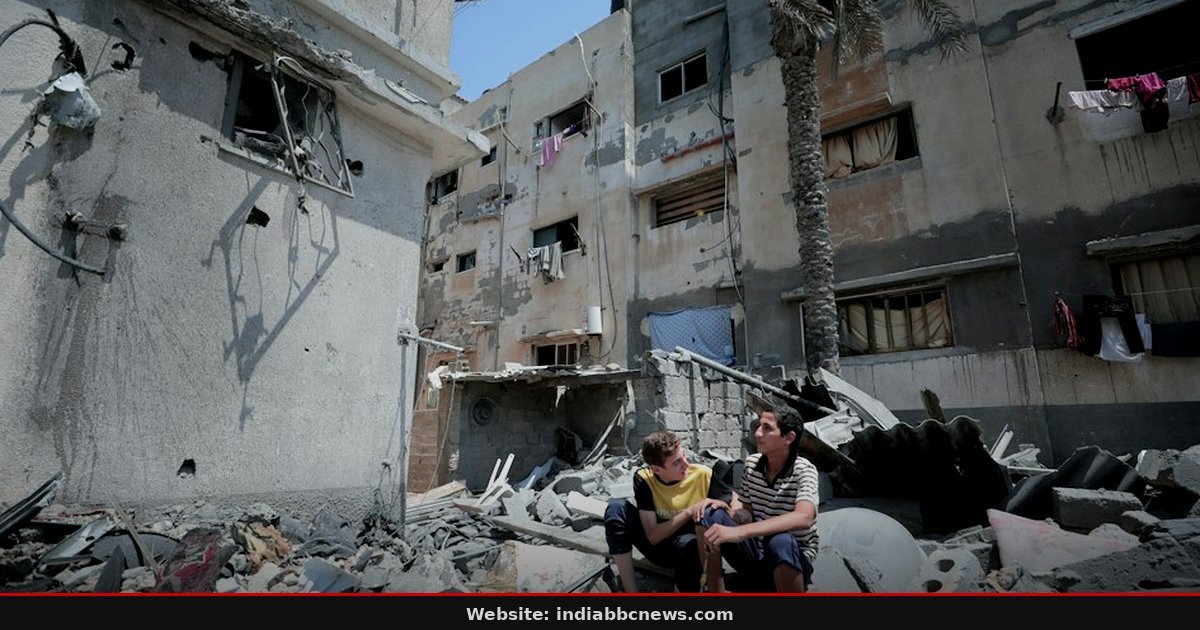
Brooklyn Building Collapse Leaves Two Dead and 17 Injured as Search for Trapped Residents Continues
The ground shook, then stopped. A three-story building in the Flatbush neighborhood of Brooklyn simply gave way, collapsing into a cloud of dust and debris that buried a street on Tuesday. Two people are confirmed dead, and 17 others, including 7 children, are hospitalized with injuries ranging from broken bones to severe respiratory distress. The silence that followed the crash was heavy, broken only by the sirens of 13 fire engines and the frantic shouts of neighbors who knew the families living inside.
Chaos in Flatbush: The Physics of a Sudden Fall
Witnesses described a terrifying sequence that unfolded in less than 30 seconds. One resident, who declined to give her name, told reporters that she heard a loud cracking sound, similar to a tree snapping, before the walls burst outward. It wasn’t a gradual sag; it was a violent eruption of masonry and wood. The building, which housed approximately 12 apartments, seemed to fold in on itself, pushing the adjacent structure back several feet.
Fire Department of New York (FDNY) crews are still standing in the rubble, using ground-penetrating radar and trained dogs to sniff out signs of life. The structural integrity of the neighboring buildings is under intense scrutiny, with engineers already setting up monitoring equipment. There is no immediate explanation for the cause, though early speculation points to a foundation failure or a compromised support column. We don’t know yet which failure mode triggered the cascade, and that uncertainty is a dangerous variable in any rescue operation.
Why Did a Three-Story Building Fall Like a House of Cards?
Building collapses this size are relatively rare in dense urban centers, but when they happen, they are rarely accidental in the simple sense. Structural engineers typically look for signs of long-term neglect, water damage, or unauthorized renovations that weakened load-bearing walls. In older New York neighborhoods, where properties often date back to the early 20th century, the maintenance burden is a constant fight against decay. If the foundation shifted, or if internal supports were removed during a renovation gone wrong, the structure would have lost its ability to hold its own weight.
Historically, similar incidents in the 1980s and 2000s often traced back to illegal subletting or overcrowding, which placed stress on aging infrastructure. That’s a harder sell than it sounds, but the data supports it. Overcrowding isn’t just a social issue; it’s a physical load that building codes were never designed to handle in substandard units. The city is now launching an immediate investigation into the building’s history, including permits, occupancy records, and past inspection reports. We’re looking for a paper trail that might explain why an inspection missed the fatal flaw, if there was one.
The Indian Diaspora Connection: A Community in Upstate Grief
For the Indian community in New York, this tragedy hits close to home, not just because of the loss of life, but because of the specific demographic profile of the victims. Preliminary reports suggest that several of the injured children are of South Asian descent, part of a growing South Asian population in Brooklyn’s Genting and Flatbush districts. These neighborhoods are increasingly home to immigrant families who have built new lives in these older, affordable housing stocks. The emotional toll on the local Indian Association of Brooklyn is immense, with community leaders already organizing blood drives and support funds for the displaced families.
This incident will likely reignite debates in India about the safety of construction abroad for its diaspora and the standards of housing in diaspora hubs. It reminds Indian readers that while the dream of settling in the US is often marketed as a path to prosperity, it also comes with the risks of living in aging, sometimes unregulated housing markets. The Indian Embassy in New York has been informed and is coordinating with local authorities to assist any Indian nationals who may be among the critically injured. This is not just a local news story; it’s a moment of collective anxiety for thousands of families who have invested their savings and hopes in these very neighborhoods.
Rescue Operations: The Clock Ticking Under the Rubble
Rescuers are working in shifts, their movements slow and deliberate to avoid bringing down any remaining stable structures. The search is methodical, grid-by-grid, with cameras being fed into the gaps in the concrete. Medics are treating injuries on-site, but the seven children in critical condition have been transported to Brooklyn Hospital and NYU Langone Health for specialized care. The physical toll on the rescue teams is showing, with some firefighters taking mandatory breaks after 4 hours of continuous digging. It’s a grueling, dusty, and psychologically exhausting process that requires a level of focus that is hard to maintain over long periods.
The police have cordoned off a two-block radius, evacuating residents from the adjacent buildings as a precautionary measure. This is standard protocol, but it also serves to keep the press and curious onlookers away from the immediate danger zone. The smell of broken drywall and damp earth is overwhelming, a visceral reminder of the domestic life that was just destroyed. We don’t know how many hours it will take to clear the site, but every minute counts for anyone trapped in the dark, waiting for a sound that might never come. The coordination between NYPD, FDNY, and the Bureau of Fire Prevention is tight, but the complexity of the rubble field is testing their strategies.
City Response and the Question of Accountability
Mayor Eric Adams held a press conference shortly after the collapse, stating that the city is “mobilizing all resources” to aid the victims. He declared a state of local emergency, which unlocks federal funding for disaster relief and accelerates the bureaucratic process for aid. The city’s Department of Buildings (DOB) has seized the building and is beginning a forensic investigation into the cause of the failure. Officials told journalists that no violations were recorded in the last 5 years of inspections, a claim that is already being met with skepticism by housing advocates who argue that the inspection system is underfunded and undermanned.
If it’s determined that negligence played a role, we could see civil lawsuits that will take years to resolve, alongside potential criminal charges for the property owners or contractors involved. The legal landscape for building collapses in New York is strict, with “absolute liability” often cited in tort law cases involving defective structures. That’s a harder sell for the public, who simply want answers and compensation for the trauma they’ve experienced. The city is also paying for temporary housing and meals for the displaced residents, a logistical challenge in a market where hotel rooms are already scarce and expensive. The human cost will far outweigh the financial penalties, but the money is still a necessary step in the process of healing.
What Happens Next for the Victims and the City
The recovery phase will be long and painful, both physically and emotionally. The 17 injured will face a lengthy rehabilitation process, and the psychological scars of such an event rarely heal completely. The city is setting up a mental health resource center in a nearby church to provide counseling for the stunned neighbors. The displaced families are being housed in luxury hotels, a luxury that would be unimaginable for many in similar situations in other parts of the world. This disparity in aid is a stark reflection of the resources available in a major global city, even if the tragedy itself is a universal expression of fragility.
In the coming weeks, we will see a wave of political scrutiny directed at the city’s housing code enforcement. Activists will demand stricter regulations and more frequent inspections, while developers will argue that compliance costs are already prohibitive. The next major deadline is the final report from the DOB, expected in 3-6 weeks, which will determine if criminal charges are pursued. Until then, the focus remains on the immediate needs of the survivors, who are trying to salvage what little they own from the wreckage of their homes. The city is watching, waiting, and hoping for a clean sweep, but in the rubble, hope is a fragile thing.
Frequently Asked Questions
Why did the Brooklyn building collapse?
The exact cause is not yet known, but officials suspect a failure in the load-bearing structure or the foundation. A forensic investigation is underway to determine if negligence, weather, or structural decay was the primary trigger. The Department of Buildings is reviewing all permits and inspection records from the past decade.
How many people have died in the New York building collapse?
Two people have been confirmed dead, and 17 others have been injured. Rescuers are still searching the rubble for potential survivors who may be trapped. The number of injured includes 7 children, some of whom are in critical condition.
Is the adjacent building safe to live in?
Residents of the adjacent building have been evacuated as a precautionary measure. Structural engineers are currently assessing the integrity of the neighboring structures for any cracks or displacement. They cannot be returned until a all-clear is given by safety officials.
How does this affect Indian nationals in New York?
The Indian community in Brooklyn is mourning the losses and providing immediate support to affected families. The Indian Embassy is assisting with coordination and ensuring that any Indian citizens among the injured receive appropriate care. This incident has highlighted the need for better safety standards in older housing stocks where many immigrants reside.
Will the building be rebuilt?
It is too early to say, but total demolition is likely if the foundation is compromised. The city will determine if the site is safe for reconstruction or if it needs to be condemned. Legal proceedings will also play a role in the timeline for any future development on the lot.
Source: BBC World
Source: BBC World

