


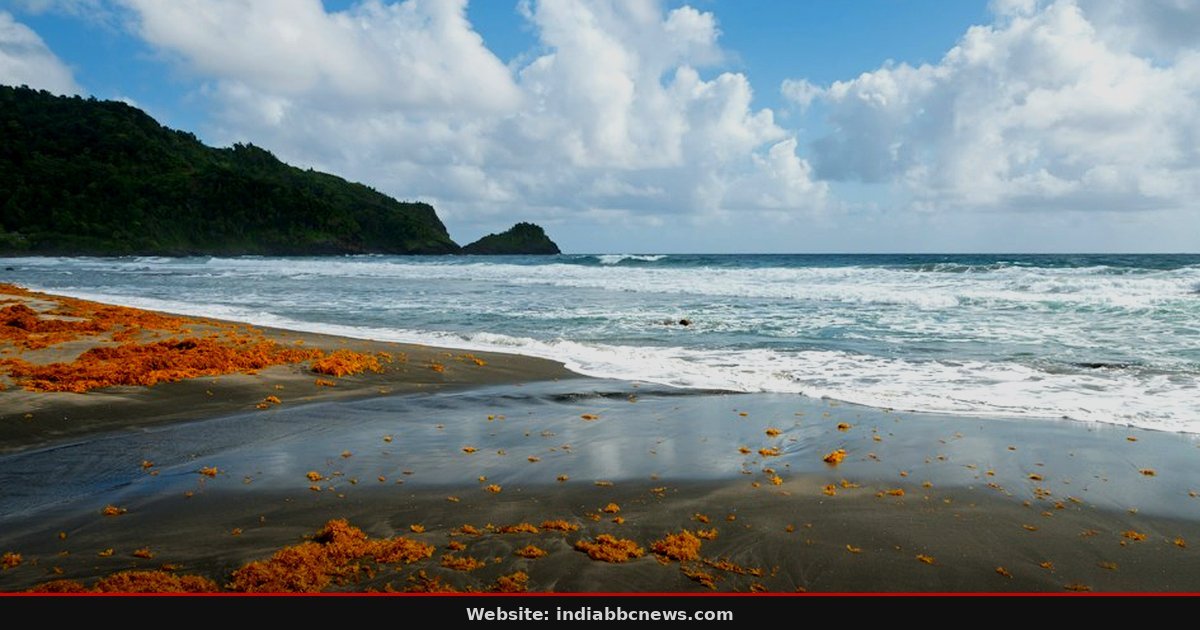
18 Beaches Closed as Mystery Oil Washes Up on Kent Coastline
Eighteen beaches in Kent are shut. It’s a number that hits harder than most people expect, given the scale of the UK’s coastline. The closure spans popular tourist spots in Ramsgate and Margate, effectively turning a peak season stretch of coast into a restricted zone. Thanet District Council (TDC) confirmed the closures on Wednesday evening after workers found “significant deposits of oil” clinging to the sand and rocks. The source is still unknown, which makes this a very different kind of crisis than a typical industrial leak.
The Search for a Ghost Ship
No one knows where this oil came from. Coastguard aircraft have been buzzing overhead since Thursday morning, searching for a vessel that might have leaked or dumped during the night. It’s a frustrating game of cat and mouse for the officers on the ground. They can see the damage, but they can’t see the culprit. The Maritime and Coastguard Agency (MCA) is leading the investigation alongside the Environment Agency (EA).
This kind of mystery is rare in modern shipping. GPS tracking is everywhere, and ports are heavily monitored. If a ship leaked, it left a digital footprint. But sometimes, the footprint is hidden or deleted.
Perhaps it wasn’t a ship at all. Maybe an underwater pipeline failed. Or maybe it’s a historical dump finally coming to the surface due to shifting tides and seabed erosion. That’s a harder sell than it sounds, but marine biologists have seen similar cases where old wrecks or buried industrial waste resurface decades later, catching even seasoned inspectors off guard.
Economic Shock to Thanet’s Tourism Hub
The timing is terrible for local businesses. Margate and Ramsgate rely heavily on summer and early autumn tourism to keep their high streets alive. A closed beach means no ice cream, no boat rides, no families walking along the promenade. Shop owners haven’t been given specific dates for reopening, which is worse than a short closure.
It creates a lingering uncertainty that bleeps out customer confidence. You don’t book a holiday in a place that feels like a crime scene, no matter how pretty the view might be.
This isn’t the first time this coastline has dealt with oil issues. In May, a bathing ban was imposed in parts of Cliftonville after “small oil deposits” were found. Then, in late December 2025, there was a warning about suspected palm oil on the beaches. The pattern is concerning.
It suggests that whatever is causing this might not be a one-off accident. It points to a systemic issue in how waste is managed in the English Channel or along the Kent shoreline. Local councilors are now asking hard questions about regular monitoring frequencies. Who is responsible for the gaps in surveillance?
The answer remains elusive, and the cost is being paid by local traders who can’t explain why their doors are empty. For Indian readers watching this from afar, the connection might seem thin at first. But the oil spill in Kent is part of a global supply chain issue that directly impacts India’s strategic interests. The English Channel is one of the busiest maritime corridors in the world. It sits between major European energy hubs and global trade routes.
What This Means for India
Any disruption here sends ripples through shipping insurance rates, which affect the cost of importing crude oil and refined products to India. Indian importers, including major state-owned enterprises like ONGC and HPCL, are closely monitoring Channel traffic data. If insurance premiums spike due to pollution risk, the marginal cost of every barrel entering Indian ports could rise. It’s a subtle but real market signal.
Furthermore, the environmental precedents set here matter for India’s coastal management policies. India is tightening its rules on offshore drilling and waste disposal in the Bay of Bengal and Arabian Sea, mirroring the heightened scrutiny seen in Europe. The fact that authorities in Kent are struggling to identify the source of the oil highlights the global weakness in tracking illicit dumping. Indian officials use this case in internal briefings to argue for better satellite monitoring of their own coastlines.
They want to avoid a situation where a mystery spill damages India’s own tourist destinations, like Goa or Kerala, before the source is even identified. The lesson from Kent is expensive and hard to learn after the fact.
Expert Skepticism and Environmental Risks
Marine ecologists are worried about the long-term damage. Oil doesn’t just wash away; it sinks into the sediment. It kills the microscopic life that forms the base of the marine food web. That’s a harder sell to the general public, who just see black goo on the shore.
But the internal damage to the ecosystem is invisible and silent. Specialists in this field typically say that full recovery from a significant oil spill can take 5 to 10 years. During that time, biodiversity drops sharply. Bird populations, especially those that rely on the Kent shoreline for feeding, are at risk.
The sandpipers and gulls that usually flock to these beaches are disappearing, which is an early warning sign that others have noticed but the public hasn’t. There is also the issue of cleanup efficacy. Mechanical cleanup often spreads the problem, pushing oil into deeper crevices where it’s impossible to remove. Biodegradation is the only real hope, but it’s slow. The Environment Agency has advised against swimming, citing chemical risks.
But the danger doesn’t end at the waterline. The vapor from fresh oil can cause headaches and respiratory irritation in nearby residents. It’s a health issue that is often underestimated in initial reports. People walk their dogs near the affected zones, ignoring the warnings.
That’s a public health risk that could linger for weeks. Nobody in the room looked convinced that the immediate response was enough to handle the scale of the contamination.
What Happens Next
The next 48 hours will determine the trajectory of this incident. If no vessel is identified, the investigation might shift to underwater sources. The council will likely extend the closures until the oil has naturally dispersed or been deemed safe by independent testers. There are no confirmed deadlines for reopening, which is a source of frustration for local businesses.
The political pressure will mount as the winter season approaches and the beach season officially ends. In that case, the closures might effectively become permanent for the year, leaving a lasting mark on local morale.
Watch for updates from the Environment Agency, which usually issues daily reports on pollution levels. Also, keep an eye on shipping traffic logs in the Dover Strait. If a specific ship is flagged, that will change the narrative from an environmental mystery to a potential legal battle. Until then, the coastline remains silent, under guard, and stained.
The mystery is the most dangerous part. It leaves everyone guessing, and guessing is a luxury that clean coastlines can’t afford. They are closed due to significant oil deposits found on the coastline. The Environment Agency has not yet identified the source, so the areas are treated as hazardous until further notice.
Frequently Asked Questions
Why are 18 beaches in Kent closed?
Is it safe to swim in the affected areas?
No, swimming is not recommended. Officials have issued a precautionary ban due to the potential chemical risks associated with the oil spill and unknown contaminants. It could lead to higher maritime insurance rates in the English Channel. This may increase the cost of shipping crude oil and other goods to India, affecting global trade logistics slightly.
How does this oil spill affect Indian importers?
Has the source of the oil been found?
Not yet. Coastguard aircraft are searching for a vessel, but no ship has been identified so far. Authorities are also checking for underwater sources like failed pipelines or old wrecks.
When will the beaches reopen?
There is no set date for reopening. It depends on when the oil is removed or dispersed and when independent tests confirm the area is safe for public access. Source: BBC UK
Source: BBC UK

