


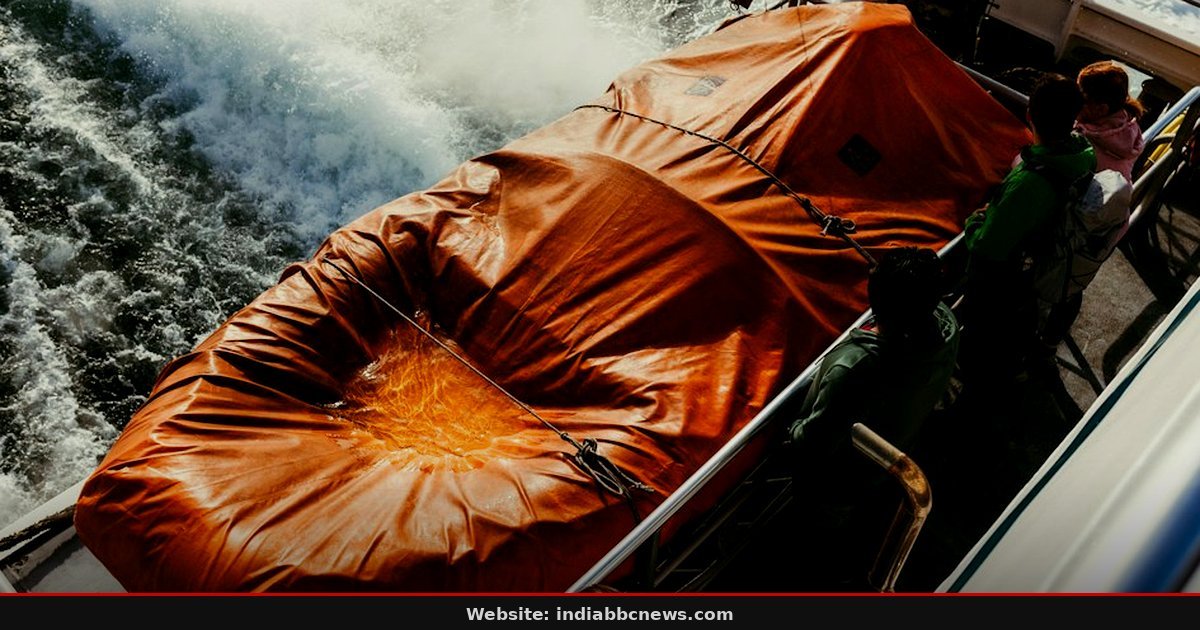
300 Lives Pulled from the Atlantic: The Canary Islands Crisis Intensifies
The coast guard boat was already halfway back when the distress call came in. It’s a rhythm that has defined life on the westernmost islands of Spain this month as more than 300 migrants were pulled from freezing Atlantic waters on Tuesday. Numbers don’t tell you about the fear, but they show you the scale of the desperation. In the first 10 days of November alone, over 7,400 people reached the archipelago, a spike that has overwhelmed local resources and set off a political firestorm in Madrid. The route from West Africa to the Canaries is becoming the deadliest migration corridor in Europe, and it’s not slowing down.
The Human Cost of the “Caminho do Mar”
Smugglers are using smaller, faster vessels now, which means fewer seats and less safety. The boats often capsize within hours of leaving the Cape Verde or Mauritania coast because the engines fail or the fuel runs low. It’s a deadly gamble for men, women, and children who view this ocean crossing as their only ticket out of poverty. Rescue teams report finding survivors with severe hypothermia and dehydration, some barely clinging to floating debris.
This surge is not an accident of weather or strategy. It reflects a deliberate calculation by trafficking networks who see the chaos in West Africa as an opportunity to move product. They know the EU has been distracted by other conflicts, and they know the Canaries are the soft underbelly of European borders. The distance from the Senegal coast to the islands is roughly 1,700 miles, a journey that takes 4 to 7 days under ideal conditions. When the storms pick up, as they did last week, the odds shift dramatically against the migrants, turning a horrific trip into a deadly one.
Why the Canary Islands Are the New Frontline
For years, the Mediterranean route through Italy and Greece held the spotlight. But the politics have changed, and the geography has shifted. Berlin and Rome have hardened their borders and made their waters incredibly dangerous, pushing traffickers to look elsewhere. The Canaries, located just 100 km off the coast of Mauritania, offer a shorter, less patrolled path that is easier to conceal from satellite detection. This shift has left local islanders feeling abandoned by the central government, which is struggling to cope with the sudden influx of humanitarian needs.
Islanders say they are dealing with a daily emergency that has been going on for weeks. Shelters are full, hospitals are stretched, and the local economy is being strained by the lack of infrastructure to handle such scale. There’s a palpable sense of resentment building against Madrid, which is seen as slow to react and unwilling to share the burden with the rest of the EU. The islands are becoming a pressure valve for Europe’s migration crisis, but they are also breaking under the weight of that pressure, and the anger is starting to boil over in local council meetings and on social media.
What This Means for India’s Security and Migration Policy
While this is a European story, the ripple effects are hitting Indian shores in ways that are easy to ignore but hard to dismiss. India is seeing its own migration crisis, with thousands of Indians stranded in the Gulf due to visa issues and a lack of return flights. The Canary Islands drama serves as a stark warning to New Delhi about the dangers of irregular migration routes and the unpredictability of global labor movements. If France and Spain can’t control their borders, what does that say about the security of Indian workers in similar precarious situations abroad?
More immediately, there’s a trade angle that Indian policymakers need to watch. Spain is a key partner in the EU-India Economic Partnership Agreement negotiations. If the migration crisis destabilizes the political landscape in Spain, it could lead to a harder line on trade deals or a slowdown in diplomatic progress. Indian exporters, particularly in textiles and pharmaceuticals, rely on stable EU markets.
A political shift towards nationalism in Spain, driven by fears of uncontrolled migration, could mean stricter regulations or tariffs that hurt Indian businesses. It’s a subtle link, but it’s there, and it’s one that the Ministry of External Affairs needs to map out carefully.
The Geopolitics of Desperation
North Africa is not just a transit point; it’s a flashpoint. The instability in Mauritania and Senegal is pushing migrants further west, directly towards the Atlantic corridor. This isn’t just about people moving; it’s about state failure and the vacuum left behind. As climate change worsens droughts in the Sahel, the driver for migration is becoming environmental as well as economic.
This creates a permanent flow that no amount of border fencing can stop, only redirect. The EU is scrambling to pay for security in these source countries, but the funds are often siphoned off or ineffective.
And yet, the solution cannot be just reactive. Experts in migration studies say that treating the symptoms without addressing the causes is a recipe for endless crisis. We need to look at the economic disparities between West Africa and Europe, which are widening, not closing. Until there is real development aid and trade equity, the boats will keep coming.
It’s a hard truth, but it’s the one that Europe has been avoiding. The pressure on the Canaries is a symptom of a much larger, global imbalance that needs a structural fix, not a band-aid.
What Comes Next for European Borders
The European Commission is expected to release a new rapid reaction force for border control in the next few weeks. This force will be deployed to areas of high migration pressure, including the Canary Islands, to help with rescue operations and secondary identification. However, critics argue that militarizing the response will only increase the risk to migrants, who are already in a weakened state. The political debate in Brussels is intense, with right-wing parties demanding stricter external borders and left-wing groups calling for safe and legal routes.
The next 72 hours will be critical, as more boats are reported to be at sea. Rescue organizations are urging for more vessels to be deployed, but the funding is limited and the political will is fracturing. If the number of arrivals continues to climb, we could see a new wave of protests and political unrest in Spain, similar to what was seen in the Mediterranean a few years ago. The situation is fluid and dangerous, and the only thing that’s certain is that the migrants will keep coming, and the pressure will only build until a sustainable solution is found.
Frequently Asked Questions
How many migrants were rescued in the Canary Islands recently?
More than 300 migrants were rescued in a single operation on Tuesday. This adds to a total of over 7,400 people who have reached the archipelago in the first 10 days of November, marking a significant surge in arrivals. The route is becoming popular because it is shorter and less patrolled than the Mediterranean routes to Italy and Greece. Smugglers are exploiting the chaos in West Africa and the relative lack of EU security presence in the Atlantic to move people more easily.
Why are migrants choosing the Canary Islands route?
Is this migration wave affecting Indian workers abroad?
Directly, this specific wave is from West Africa to Europe, so it doesn’t impact Indian workers in those regions. However, it signals a broader instability in global migration patterns that could affect visa policies and labor markets indirectly. The EU is planning to deploy a rapid reaction force to the Canary Islands to assist with rescue and border control. They are also increasing funding for security in source countries in West Africa, but these measures are seen by critics as too little, too late.
What is the EU doing to stop this surge?
Source: Al Jazeera
Source: Al Jazeera

