


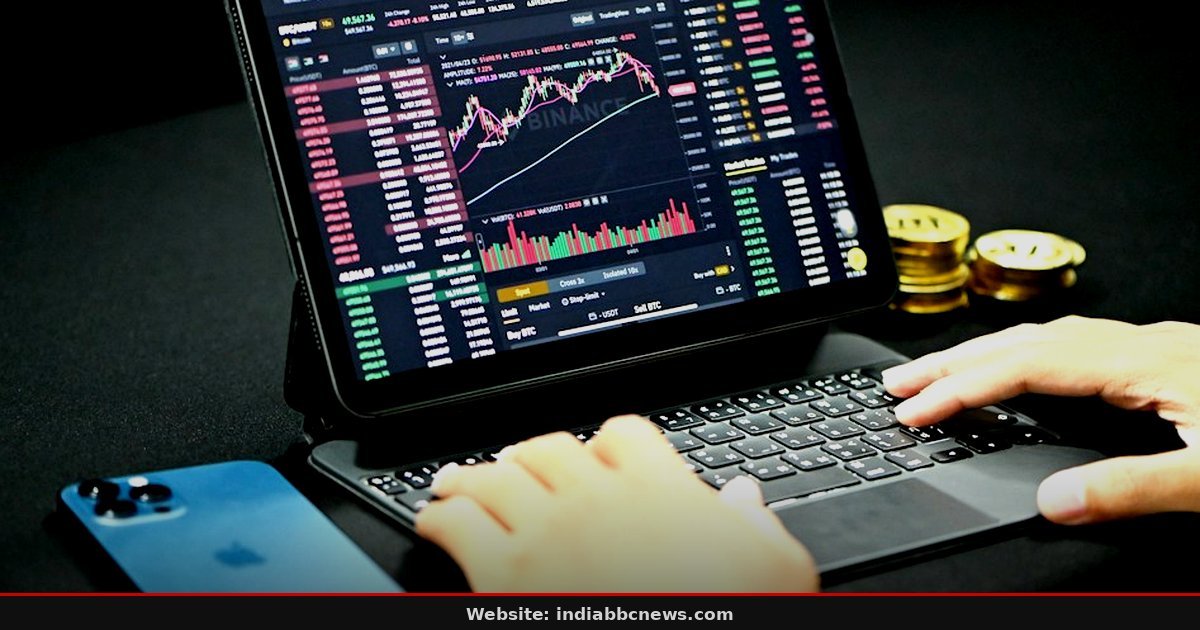
Morgan Stanley’s Michael Wilson just called the current stock market dip a “fat pitch.” That single phrase, dropped in a research note to clients, has sent shockwaves through trading floors. It means buy now. Hard. The S&P 500 has fallen about 5% from its all-time high.
For anyone waiting for a discount, Wilson says the wait is over. He argues that valuations have corrected enough to offer genuine value. This is rare in an era of endless rallies.
The “Fat Pitch” Metaphor and What It Actually Means
In baseball, a fat pitch sits right in the middle of the strike zone. You can hit it. You don’t need to see the ball perfectly. You just need to swing.
Wilson is telling investors to stop overthinking the fundamental analysis. He believes the risk-reward ratio has flipped. The fear factor is too high right now. Markets are pricing in recession fears that may not materialize.
This is a contrarian bet on corporate earnings resilience. It’s a bold call for a strategist who has been publicly optimistic since 2020. Critics argue he’s always a bull. They point to his past predictions that didn’t pan out. But context matters here.
The yield curve is inverted again. The 2-year Treasury is paying more than the 10-year. Historically, this signals a recession within 12-18 months. Wilson is betting that the Fed will pivot before the economy breaks.
That’s a tighter wire to walk than it sounds. If he’s wrong, the drawdown could deepen to 10% or 15%.
Why the Market Cracked This Week
Jobless claims came in high for the third week running. That’s a yellow flag. The Conference Board leading index fell. Tech stocks, which drive the index, are dragging the bag.
NVIDIA and Microsoft have shed value after their massive runs. Profit-taking is real. After five years of dominance, the Nasdaq is vulnerable. Is this a rotation or a retreat?
Traders are hedging both ways. Options volumes spiked on Tuesday. Volatility is back, and it’s expensive to insure against.
But the bond market didn’t panic. The 10-year Treasury yield hovered near 4.2%. That’s high but not catastrophic. In 2020, yields crashed to 0.5% when the crisis hit.
This time, the floor is higher. Inflation is sticky. The Federal Reserve is cautious. They won’t cut rates until they see clear evidence of cooling.
This creates a stalemate. Equities want cheap money. Bonds are demanding a risk premium. The tension is palpable.
Nobody in the room looked convinced that this was a simple buying opportunity. Most were just waiting for blood to hit the turns.
What This Means for India and Indian Investors
If US markets rally, Indian markets usually follow. The correlation isn’t perfect, but it’s strong. A “fat pitch” in Wall Street brings in foreign portfolio investor (FPI) flows. Indian equities have been underperforming for six months.
The Nifty 50 is down 8% year-to-date. Yes, that’s a steep slide. Money is fleeing to US tech stocks. If the US narrative shifts to “buy the dip,” FPIs might reallocate.
They look for beta. They look for growth. India is the obvious choice. The rupee has weakened to 83.5 per dollar.
A stronger dollar backdrop could stabilize the currency. That’s good for companies importing oil and electronics.
However, there’s a nuance. Indian domestic savings are shifting from fixed deposits to equity. The SIP culture is booming. If global markets crash, Indian retail investors might panic.
They don’t have the deep pockets of US hedge funds. They sell on news. A sudden US correction could trigger a forced sell-off in India. But the Indian economy is decoupling somewhat.
Domestic demand is holding up. Consumer spending is resilient. The government’s capex push is driving growth. This story isn’t just about Wall Street.
It’s about whether global risk appetite returns to emerging markets. The India angle is critical. If US rates stay high, the rupee suffers. If they fall, the rupee recovers.
Wilson’s bet is a bet on lower rates. That’s a tailwind for Indian debt and equity markets alike. Don’t ignore the transmission mechanism. It works.
The Historical Comparison: 2000 vs. Now
People keep comparing this to the dot-com bust. That was fear. This is fatigue. In 2000, tech stocks had zero earnings.
They were priced on hype. Today, Microsoft and Apple print billions in profit. Their P/E ratios have compressed from 30x to 25x. That’s a normalization, not a bubble burst.
But complacency is dangerous. The personal computer era changed everything. The AI era is different. It’s slower.
It’s hardware-dependent. It’s more like the smartphone cycle of 2010. The gains will be uneven. Some companies will win big.
Others will disappear. The index will still rise, but the path will be bumpy. That’s the trade-off.
And it’s not just tech. Energy stocks are lagging. The oil price has fallen from $90 to $78. That’s good for consumers.
It’s bad for producers. The rotation is broad. Money is moving from growth to value. From mega-caps to mid-caps.
This is a classic late-cycle move. It suggests the market is preparing for slower growth. But it’s not preparing for a crash. The earnings revisions are still positive.
Companies are guiding well. They’re not cutting capex. They’re not laying off staff at scale. The fundamentals are intact.
The price action is emotional. That’s where the “fat pitch” comes in. You buy the emotion. You wait for the fundamentals to carry you.
It’s a patient game. Most people are impatient. That’s their mistake.
Risks That Could Invalidate the Bull Case
Inflation could reignite. Oil prices could spike. Geopolitical tensions are high. The conflict in the Middle East is simmering.
The US elections are approaching. Policy uncertainty is a tax on markets. Wilson’s thesis assumes a smooth landing. That’s a high bar.
If the Fed stays hawkish, yields will stay high. High yields crush equity multiples. The tech sector is particularly sensitive. A 1% rise in the 10-year yield could wipe out 10% of S&P 500 value in a month.
That’s the downside risk. It’s real. It’s priced in, but not enough. Hedging is cheap right now.
Put options are selling well. That’s a signal of fear. Fear is good for buyers. It means sellers are exhausted.
But don’t take it as a guarantee. Markets can stay irrational longer than you can stay solvent. That’s the mantra every trader knows. And yet, they forget it when the red screens dominate.
Corporate bankruptcies are rising in commercial real estate. Office space is empty. Banks are carrying bad loans. This is a slow burn.
It won’t explode like Silicon Valley Bank. But it will drain liquidity. Banks are tightening credit. Small businesses are feeling the pinch.
If credit tightens, the economy slows. That’s the transmission channel. The Fed can cut rates, but banks won’t lend. They’re risk-averse.
They’re scared of regulatory scrutiny. This is a structural problem. It won’t be solved by a rate cut. It will be solved by time.
And time is what this strategy relies on. You have to wait. You have to hold. You have to ignore the noise.
That’s the hardest part. It’s not the analysis. It’s the psychology. The market punishes impatience.
It rewards conviction. But conviction without data is just gambling. Wilson has the data. He has the charts.
He has the history. He’s making a calculated leap. Whether it lands or not depends on the next two Fed meetings. The next two earnings seasons.
The next two labor reports. The odds are in his favor, for now. But odds change. Fast.
Frequently Asked Questions
What is a “fat pitch” in stock market terms?
A “fat pitch” is a baseball term used by strategists to describe a trading opportunity that is easy to hit. It means the valuation is attractive and the risk of loss is low relative to the potential gain. It suggests that the asset is undervalued and a buy is a no-brainer.
Why is Morgan Stanley calling it a buying opportunity?
Morgan Stanley’s Michael Wilson argues that stock valuations have corrected enough from their peaks. He believes the downside risk is limited and the upside potential is significant. He sees a decoupling between market pessimism and actual corporate earnings.
How does this affect the Indian stock market?
A positive US outlook usually boosts sentiment in Indian markets. It can attract foreign portfolio investor inflows. However, a strong US dollar can pressure the rupee, which affects import costs and inflation in India.
Is the stock market in a bubble?
Valuations are high but not at frothy levels like 2000. Earnings growth supports current prices. The risk is not a bubble burst, but a correction due to high interest rates and slowing economic growth. It’s a matter of timing, not direction.
What should individual investors do?
Individual investors should stick to their long-term plans. They should avoid panic selling or chasing spikes. Diversification is key. If they have emergency funds, they can consider adding to quality stocks on dips. Consult a certified advisor for personalized advice.
Source: Bloomberg Markets
Source: Bloomberg Markets

