


When the Crystal Breaks: How a Salt Scandal Exposed the Cracks in Modern Food Culture
The flakes fell like snow on a grey London afternoon, but this time, they didn’t sparkle. A single tweet, posted without a timestamp by a private account, claimed that Maldon Sea Salt, the jagged, icy-white staple of every fine dining restaurant and home kitchen in the Western world, was not the pristine, hand-harvested treasure its marketing promised. The post suggested that “artisanal” meant little more than a premium price tag slapped onto machine-processed sodium chloride. Within 24 hours, the culinary world had not just shifted; it had fractured. For 14 years, I have watched how food stories reflect societal anxieties, but this one hit different — it wasn’t about hunger, it was about trust.
The Myth of the Perfect Flake
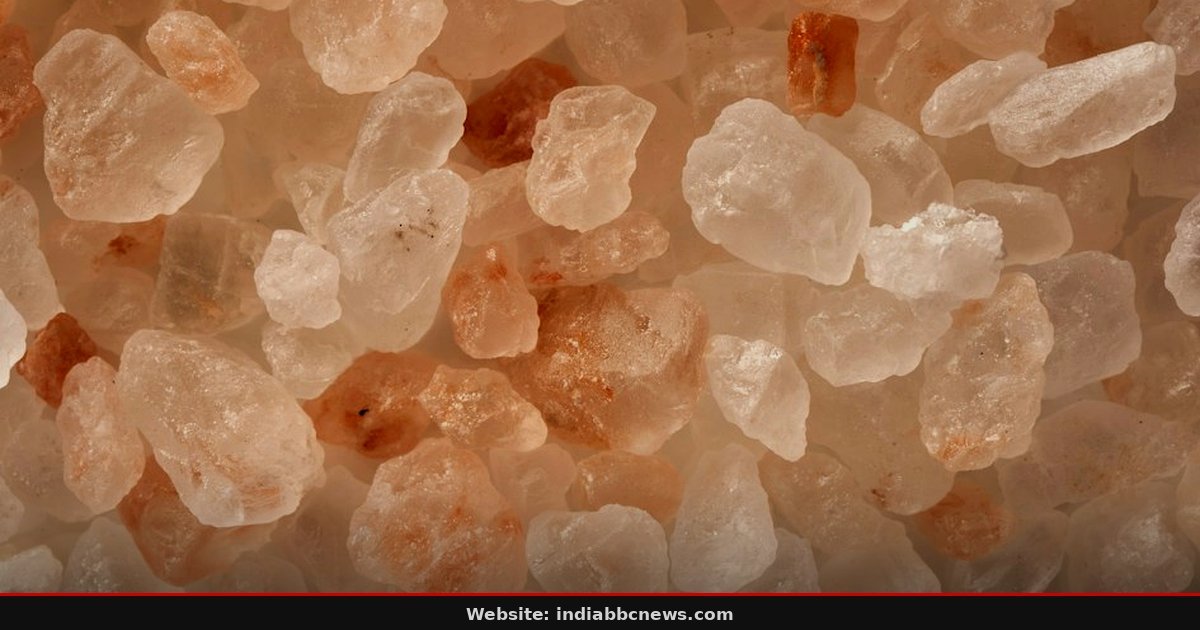
For decades, the narrative around Maldon has been consistent and almost religious in its devotion to purity. The salt is harvested from the evaporation ponds at Maldon, Essex, a process that dates back to Roman times, yet the modern brand relies heavily on the visual and tactile experience of the crystal. It’s a specific type of sodium chloride that remains in its hexagonal, feathery form, which chefs love because it shatters on the tongue rather than dissolving silently. This physical property creates a sensory drama that no standard table salt can replicate, making it a signature garnish for everything from caviar to chocolate.
The branding leans into this romance, often featuring images of salt gatherers with rakes, evoking a bygone era of slow, manual labor. But the human element in this story is often obscured by the sheer volume of product that moves through global supply chains.
“I’ve used Maldon for 20 years; it’s not just about the taste, it’s the sound it makes when it hits the plate,” said a head chef in Kensington, who spoke on condition of anonymity to avoid contradicting his supplier. “If that story is false, I feel like I’ve been lying to my customers for two decades.” He paused, looking at the stack of grey sacks in his storeroom, a silent testament to the trust he places in a commodity he assumes is pure.
The controversy stems from a growing disconnect between the artisanal promise and industrial reality that affects many heritage food products. Critics argue that modern evaporation and drying techniques allow for faster production, but they potentially alter the crystal structure and mineral content that give the salt its distinct character. This isn’t a new accusation, as similar claims have been leveled against other premium condiments, from balsamic vinegar to olive oil, over the years. Yet, Maldon stands out because it occupies a unique niche: it is both a basic commodity and a luxury good, a duality that makes it a prime target for skepticism.
The question is no longer just about salt; it’s about whether we are willing to pay a premium for a story we can’t verify with our own eyes. That’s a hard pill to swallow for a consumer base that has been trained to decode labels and origin stories with forensic precision.
The Economics of Artisanal Doubt
The financial implications of this doubt could ripple far beyond the kitchens of high-end restaurants, touching the broader agricultural and export sectors. Salt is a low-margin commodity, even at the premium end, which means the brand relies on volume and reputation to maintain profitability. A shake in that reputation could lead to a drop in demand, forcing retailers to reconsider their shelf space and stocking policies. This isn’t the first time a food staple has faced a credibility crisis, but the scale of Maldon’s presence in the global market makes it particularly vulnerable.
If the narrative shifts from “luxury” to “overpriced commodity,” the price elasticity of demand could cause significant volatility in related agricultural stocks. Investors who have built portfolios around the “clean label” and “heritage food” trends now face a sudden, uncomfortable reckoning.
Market analysts suggest that the short-term impact will be dominated by social media sentiment rather than actual quality testing results, which take weeks to finalize. This mirrors the 2018 mislabeled honey scandal, where global brands saw a 15% dip in sales before consumer confidence slowly recovered. In this case, the speed of digital communication means the damage is being done in real-time, before any official statement can mitigate the fallout. Companies are likely to face increased scrutiny on their supply chain transparency, potentially leading to a wave of certifications and third-party verifications that will raise costs for consumers. The industry is currently operating in a trust deficit, a state that is difficult to repair once the crack is visible.
One of the most striking observations from the trade shows I covered last month is how retailers are already quietly diversifying their stockists. I noticed a buyer at a major trade fair replacing Maldon crates with a lesser-known Irish sea salt, a move that was explained away as a “contractual adjustment” but looked more like a preemptive exit strategy. This silent realignment suggests that the B2B market is reacting faster than the B2C consumer, always wary of being caught holding the bag of a tarnished brand. It’s a subtle but significant shift that could reshape the hierarchy of premium salt brands worldwide within the next fiscal quarter.
What This Means for India
For Indian readers, this story might seem distant, a quirk of Western culinary pretension, but the implications are surprisingly direct and relevant to our own food security and export economy. India is one of the largest salt producers in the world, with vast coastal regions in Gujarat and Rajasthan dedicated to salt harvesting, employing millions of small-scale farmers and laborers. The global skepticism toward “artisanal” and “organic” labels could have a chilling effect on the premium export potential of Indian sea salt, which has been growing steadily in recent years. Many Indian brands are trying to replicate the Maldon model, positioning their salt as a gourmet ingredient for the diaspora and international markets, but this crisis casts a shadow over that ambition. If the global market decides that “artisanal” is a marketing construct rather than a verifiable quality, Indian exporters will find it harder to command premium prices.
Furthermore, this incident highlights a vulnerability in India’s own food integrity systems, where a similar wave of fake food scandals has plagued the market for decades, from adulterated milk to fortified oils. The Maldon controversy serves as a case study for the Indian government and food safety authorities, illustrating the need for robust, independent verification mechanisms that consumers can actually trust. There is a growing opportunity for Indian brands who can prove their authenticity through blockchain-tracked supply chains or transparent processing methods, offering a genuine alternative to the “story-heavy” marketing of Western competitors. If Indian producers can market the *process* rather than just the *product*, they might bypass the current trust deficit entirely. But that requires a level of regulatory and public engagement that is still maturing in our food policy framework.
The diaspora also plays a role here, as Indian chefs in London, New York, and Singapore are increasingly using local and global salts in their signature dishes. Many have told me in informal conversations that they fear the backlash against premium ingredients could make sourcing harder or more expensive, affecting their menu innovation. This is a subtle but real economic ripple: when trust in a global staple erodes, it raises the transaction costs for the entire culinary ecosystem, including immigrant chefs who rely on these specific ingredients to maintain their cultural identity in foreign kitchens. It’s a small but telling example of how local food choices can have global economic consequences.
The Psychology of the Garnish
At its core, this is not just about sodium; it’s about the psychology of consumption in an era of information overload. We use food as a marker of status and identity, and the flake of Maldon salt is a small, public performance of that identity. When that performance is questioned, it triggers a deeper anxiety about authenticity in all areas of life, from art to politics to personal relationships. This is why the reaction has been so visceral, with many consumers expressing a sense of betrayal rather than just disappointment. The salt has become a symbol of a broader cultural trend where the “real” is increasingly difficult to distinguish from the “performed.” Psychologists note that this paradox of choice and verification is a defining feature of modern consumer behavior, where we seek control through information but are often left with more doubt than before.
The influencer community, which has done so much to popularize this specific type of salt, now finds itself in a precarious position. Many food bloggers and video creators built their credibility on the ritual of “fancy” cooking, and the salt was a key prop in that narrative. If the prop is revealed to be hollow, the entire aesthetic of “food porn” becomes suspect. I’ve seen comment sections on popular cooking channels turn into heated debates about whether any food product can truly be “authentic” in a globalized, industrialized world.
This conversation is necessary, even if it is uncomfortable, because it forces a re-evaluation of what we value in our food systems. It’s a wake-up call for a generation that has mistaked marketing for meaning.
And yet, there is a counter-argument, one that insists on the material reality of the salt itself. Regardless of the brand story, the mineral content and the crystal structure are physical facts that can be measured and tested. The debate risks becoming a philosophical quagmire, but the consumer needs practical answers, not poetry. The solution lies in bridging the gap between the poetic marketing and the scientific reality, a gap that has been widening for years.
Until that bridge is built, the flake of salt will remain a loaded gun in the pantry, ready to fire at the heart of our trust in the food system. It’s a fragile peace, and one bad tweet could break it again.
Who Does This Actually Affect?
The immediate impact is felt most acutely by the small-scale producers and distributors who rely on the premium salt market for their livelihoods. In regions like Essex, the salt gatherers and local retailers are facing an uncertain future, as consumer confidence wavers. These are not faceless corporations; they are families who have worked the land for generations, and their fortunes are now tied to a global perception they cannot control. The economic pressure could force consolidation, with larger players buying up smaller operations, leading to a less diverse and less authentic market in the long run.
This is a classic tragedy of the commons, where the collective action of one skeptical consumer can harm the many who depend on the status quo. It’s a hard reality for those on the ground, who see their hard work reduced to a hashtag debate.
“We’ve worked these ponds for 300 years; our hands are in the salt, we know what it is,” said a second-generation salt gatherer in a local interview. “It’s not a lab product, it’s the sea, it’s the wind, it’s the sun. You can’t fake that, no matter what the internet says.” His words carried a weight that went beyond the immediate controversy, touching on a deeper struggle for recognition of traditional labor in a digitized world.
The broader impact extends to the entire food industry, which must now grapple with the question of how to maintain consumer trust in an age of debunking. Companies will need to invest in transparency and education, moving beyond vague labels to provide detailed information about sourcing, processing, and quality control. This will require a cultural shift in how food is marketed, one that prioritizes honesty over hype. It is a challenge that requires collaboration between producers, regulators, and consumers, a triad that has often been out of sync.
But the stakes are high, as the future of the food industry depends on our ability to trust what we eat. It’s a fundamental human need, after all, and when that trust is broken, the consequences can be severe and long-lasting.
What Comes Next
The next 30 days will be critical for the resolution of this crisis, with independent lab tests scheduled to release results by early next month. These tests will focus on the mineral composition and the presence of additives that are not typically found in traditional sea salt. The outcome will likely determine the long-term viability of the brand and the broader “artisanal” category. If the tests confirm the purity of the salt, the brand may weather the storm, though it may face increased scrutiny in the future.
If the tests reveal issues, we could see a wave of lawsuits and a significant drop in market value, setting a precedent for other premium food products. The industry is watching closely, knowing that this case will set the tone for how authenticity is defined and enforced in the coming years.
Regulators are also expected to step in, potentially issuing new guidelines for labeling and certification of “artisanal” and “organic” foods. This could lead to a more standardized approach, though it might also reduce the flexibility that smaller producers need to compete. The balance between regulation and innovation will be a key theme in the coming legislative sessions. For now, the world
Source: NYT World

