


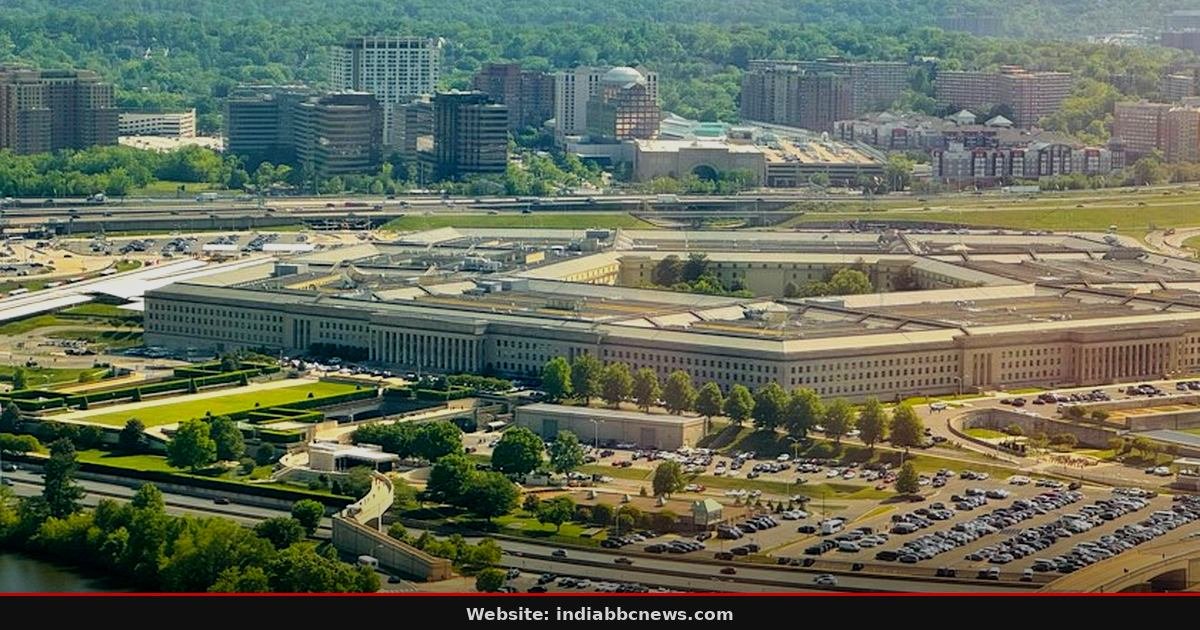
Pentagon Memo Cracks Down on Socializing With Canadian Troops
Washington sent a memo. It wasn’t a treaty. It wasn’t a threat. It was a note telling American soldiers to stop hanging out with their Canadian counterparts.
The order limits “social activities” between the two militaries. This follows months of trade war tension and public sniping. The U.S.-Canada border is now a battlefield of bureaucracy.The Memo That Broke an Unspoken RuleThe directive is dry but the impact is loud. It tells Pentagon officials to avoid informal gatherings with Canadian military leaders.
This is a stark break from decades of close, personal ties. Generals used to golf together. They used to swap stories over coffee at joint command centers. Now, the line is drawn in the sand.Why this specific move?
It’s a signal. It tells the world that the relationship is no longer business as usual. Trust is eroding. When you stop trusting someone, you stop letting them into your home.
The military is the home. The wall is going up. It’s a cold, calculated step.NORAD Stands Firm Despite the ChillHere is the irony. The air defense system still works.
NORAD, the joint command, is fully operational. Radar screens still light up. Jets still scramble if needed. The technology doesn’t care about politics.
The missiles don’t check Twitter.But the people running it are changing. There is unease in the corridors of Cheyenne Mountain. Officers are wondering if their Canadian colleagues are spies. Or just friends who are now liabilities.
The machinery hums on, but the human element is fraying. That’s a harder sell than it sounds. Nobody in the room looked convinced that this social freeze is the right call for long-term security.Trade War Spills Into the PentagonThis isn’t just about jets. It’s about steel, aluminum, and pride.
Trump’s tariffs hit Canada hard. Ottawa retaliated. The diplomatic war became an economic one. Now it’s a military one.
The Pentagon is reflecting the White House mood.History shows us this pattern. Look at 1939. Look at 2003. When trade wars start, alliances wobble.
Allies start counting pennies. They start suspecting motives. The social freeze is a symptom of a deeper sickness. It’s the body reacting to a toxin.
The question is: will it kill the alliance, or just make it wary? And if it’s wary, who else is counting on that weakness?What This Means for India’s Strategic CalculusIndia watches this closely. Not out of curiosity, but necessity. The U.S. and Canada are part of the broader Western security architecture.
If that architecture cracks, India has to fill the gaps. New Delhi already balances ties with Washington and Beijing.A fractured North American alliance complicates India’s defense procurement. Joint exercises, like Malabar, rely on stable U.S. engagement. If the U.S. is distracted by a neighbor, its focus shifts.
Indian diplomats are working overtime. They need to reassure Washington that the axis is intact. They also need to ensure that Canadian technology access, crucial for defense tech, doesn’t dry up. For Indians abroad, the visa and border climate is already tense.
This adds another layer of uncertainty. The ripple effect is real. It’s not just about tanks. It’s about passports, deals, and future joint labs.The Human Cost of Political TheatersBack in the field, soldiers feel the shift.
A sergeant in Fort Bragg told a colleague his Canadian counterpart didn’t answer his phone. No explanation. Just silence. It’s a small thing.
But it’s telling.These aren’t faceless agents. They’re people. They’ve trained together. They’ve shared meals.
Now they’re told to keep their distance. It feels petty. It feels wrong. But orders are orders.
The rank-and-file doesn’t write policy. They just follow it. And sometimes, following orders means leaving a friend behind. That’s a harder buy than it sounds.
The air is thick with unspoken words.Frequently Asked QuestionsWhy did the Pentagon limit social activities with Canadian military?The move is a diplomatic signal. It reflects strained relations over trade and tariff disputes. It’s not a ban on official business, just informal contact.Does this affect NORAD operations?No, NORAD remains fully functional. Joint air defense and radar systems continue to operate.
The social freeze does not impact technical or operational cooperation.How does this impact India’s defense ties?It adds complexity to India’s tripartite relations. Stable U.S.-Canada ties are useful for broader Western alignment. India monitors closely to adjust its own engagement strategy.Is this a new policy or a temporary measure?It appears to be a response to current tensions. Whether it becomes permanent depends on whether trade and diplomatic relations improve.
It’s a pressure tactic, not necessarily a permanent shift.What is the next step in U.S.-Canada relations?Diplomatic talks are ongoing, but progress is slow. Any easing of the social freeze would likely follow a breakthrough in trade negotiations. Watch for official statements from both capitals.Source: NYT World
Source: NYT World

