


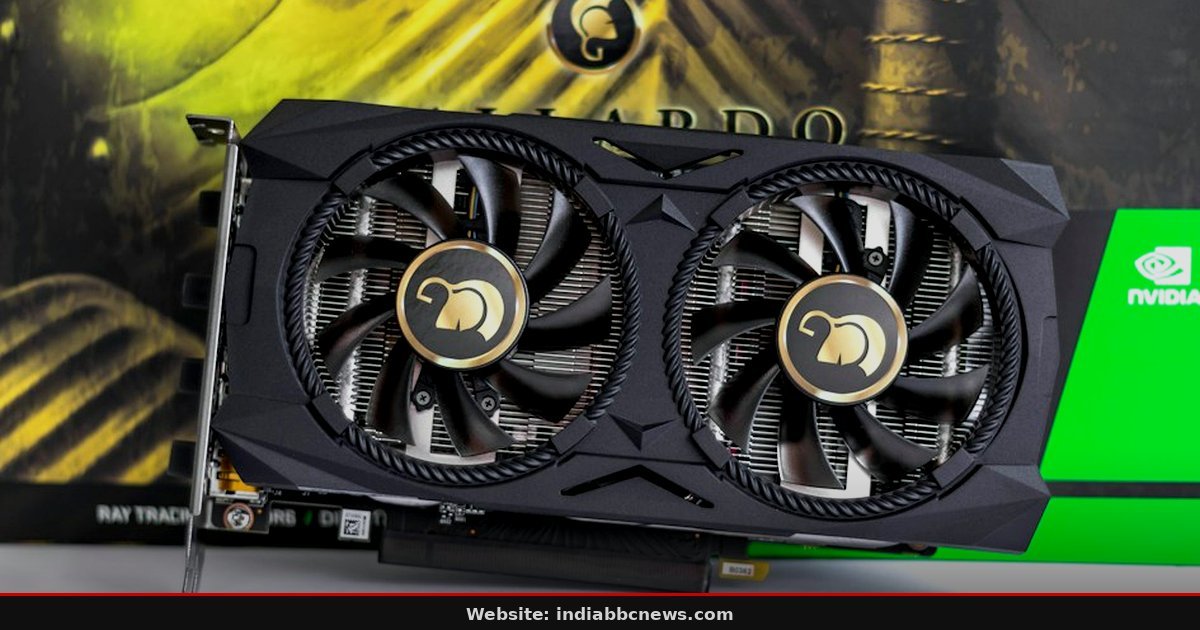
Nvidia Turmoil: Should You Sell Stocks for Real Estate?
Nvidia’s stock wobbled, and suddenly everyone wants to know if they should bail out of the market entirely. The fear is real, the charts are scary, and the urge to hold something tangible—like a house or a CD—is stronger than it has been in years. Most retail investors make their worst mistakes when the market drops. History shows that selling low and buying high is a surefire way to lose money. You are not a pro trader who can pick the bottom; you are a long-term holder.
The Panic Button and Why It’s Wrong
If you flush out now, you lock in those losses forever. This isn’t a suggestion to ignore risk, but to respect the volatility that comes with high-growth stocks. The players who win over decades are the ones who stay put when the crowd runs for the exits.
Real Estate Is Not the Safe Haven You Think It Is
People love the idea of bricks and mortar because they can touch it. But real estate is illiquid, expensive to enter, and rigidly tied to local interest rates. You can’t sell a slice of your apartment if your job gets cut next month.
Plus, the transaction costs are brutal. Closing fees, agent commissions, and renovation costs eat up thousands of dollars that could have stayed invested. That’s a harder sell than it sounds when you crunch the actual numbers against a diversified index fund.
There’s also the maintenance trap. A roof leak doesn’t care about the S&P 500. When I was covering the housing crash in 2008, I saw too many families lose their homes not because prices fell, but because they couldn’t keep up with the mortgage and repairs simultaneously. It’s a messy, physical burden that a stock ticker never imposes on you.
What This Means for India
For Indian investors, this global tech jitters directly impacts the emotional state of the DALAL STREET crowd. Many NRI (Non-Resident Indian) portfolios are now heavily weighted toward US tech giants, meaning a drop in Nvidia hurts Indian savings directly through forex conversions. It’s a ripple effect that no one talks about enough.
However, the Indian market itself is driven by domestic consumption and infrastructure spending, not just Silicon Valley earnings. This is why simply mirroring US market moves is a flawed strategy for a Desi investor. The rupee’s strength or weakness adds another layer of complexity that pure stock picking ignores. You need a two-pronged approach here.
Consider that Indian banks are seeing a surge in fixed deposit applications as global uncertainty rises. This defensive shift is real, but it often comes at the cost of long-term wealth creation. The best move for an Indian resident might be to keep a balanced mix of domestic equity and global exposure, rather than jumping ship entirely based on one American company’s quarterly result. It’s about stability, not fear.
CDs Are Boring But They Have a Place
Certificates of deposit are dry, yes, but they serve a specific purpose. They are the safe pair of shoes you wear when the road is muddy. If you need cash in the next 18 months, a CD is far superior to a volatile tech stock.
Don’t put your whole net worth into a CD, though. Inflation will still eat away at your principal over time, just slowly. Think of it as cash management, not investment. The yield might look attractive right now, but it’s a ceiling, not a floor.
Also, remember that CD rates are not static. They change with the Fed’s policy. If rates drop, your new deposits earn less. That’s a risk many first-time investors overlook because the paperwork feels safer than a brokerage app. The illusion of safety can be just as dangerous as genuine market risk.
The Bigger Picture: What Comes Next
The next major test for investors will be the upcoming earnings reports from the rest of the big tech names. If they show solid cloud computing growth, the Nvidia dip will likely be a blip on the radar. If they disappoint, we might see a broader correction that tests lower support levels.
Watch the 10-year Treasury yield closely as well. When rates rise, growth stocks bleed. This correlation is the true driver of the downturn, not just company-specific news. Keep an eye on the Federal Reserve’s statements in the coming weeks. They aren’t just talking about inflation anymore; they are trying to manage this exact nervousness in the equity markets.
Frequently Asked Questions
Should I sell my Nvidia stocks now?
Probably not, unless you are a short-term trader with a strict exit strategy. Selling in panic usually locks in losses. If you believe in the long-term growth of AI, holding might be the better move.
Is real estate a safe investment in 2024?
It depends on your local market and interest rates. It is illiquid and costly to transact. For most people, it is not a quick fix for stock market anxiety.
How do Indian investors benefit from US stock gains?
Through NRI portfolios and global index funds. However, currency fluctuation can offset gains. It’s important to hedge this risk and not rely solely on US performance.
What is the best alternative to stocks right now?
Diversification is key. Consider bonds, different asset classes, or a small allocation to CDs for cash stability. Don’t go all-in on one asset class.
Does a drop in Nvidia mean the end of the bull market?
Not necessarily. Single stocks can drop for many reasons. Look at the broader S&P 500 or Nasdaq trends to gauge the overall market health.
Source: MarketWatch
Source: MarketWatch

