


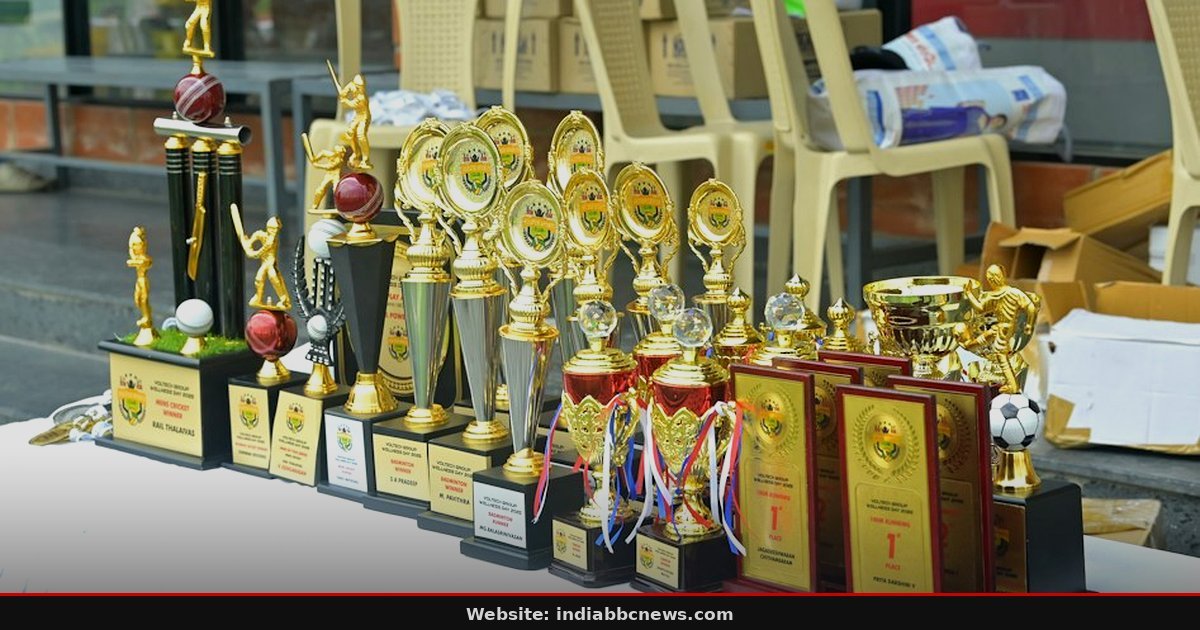
1,200 students. One ground. Zero competition trophies.
Kerala’s annual Vocational Higher Secondary Education Skill Fest closed its doors at Mubas Ground in Nellipuzha with a twist that surprised even the officials who organized it. This wasn’t just about who built the best robot or who could solder a circuit board the fastest. The real draw, the thing that kept parents and students lingering long after the exhibitions ended, was a single tent labeled ‘Career Studio’. It’s a shift that feels small in a brochure, but it’s huge in practice. We stopped viewing science fairs as arenas for scoring points and started treating them as doorways into actual jobs.
The Tent That Changed the Room
The career studio isn’t a classroom. It’s a chaotic, buzzing hub where counselors sit across from teenagers who are terrified of the future. The State Career Guidance and Counselling Cell set this up specifically to bridge the gap between academic knowledge and employable skills. Students didn’t just look at gadgets; they sat for 15-minute one-on-one sessions to map out their next steps. It’s rare for a government body to make coaching so accessible outside of a private paid setup.
Visit Mubas Ground and you hear the noise of circuits clicking before you see the people. The vocational wing realized that holding a degree in electronics or agriculture means nothing if the student can’t articulate their value to an employer. This studio cut through the jargon. It told a 17-year-old in Malappuram or Thrissur exactly where they fit in the emerging gig economy. That’s a harder sell than it sounds, but the turnout proved otherwise.
Why Competitions Don’t Build Careers
For decades, Indian science fairs have been about winning. You build a model, judges nod, you get a certificate, and then what? The trajectory from that certificate to a paycheck is often a cliff. Kerala’s Vocational Higher Secondary Education board is quietly trying to erase that cliff.
They’ve moved the needle from performance to preparation. It’s a subtle but critical distinction that honors the student’s potential rather than just their ability to follow instructions.
Think about the last time you saw a student presentation that didn’t include a business plan or a skill audit. That’s usually missing. Here, the focus was on what the student could do tomorrow, not just what they could demonstrate today. The shift reflects a broader anxiety in Indian education: the disconnect between what is taught in school and what is needed in the market. Nobody in the room looked convinced that the old model was working anymore.
India’s Response: A National Wake-Up Call
While Kerala experiments with career integration at the school level, the rest of India is still dealing with millions of engineering graduates who qualify for jobs they aren’t trained for. The National Education Policy of 2020 pushed for vocationalization, but implementation has been patchy. Kerala’s model offers a blueprint that other states are likely to watch closely. It’s not just about Kerala; it’s a test case for how India can fix its youth employment crisis at the source.
This matters for Indian markets because the demand for skilled technical labor is outpacing supply. Companies in IT, manufacturing, and agri-tech are complaining about a talent gap, not a talent shortage. When a state like Kerala starts embedding career counseling directly into science education, it attacks the problem at the root. It’s a strategic move that could redefine how Indian human capital is developed over the next decade. And it might just force other states to follow suit.
Beyond the Lab: The Human Element
There’s a specific moment in these fairs that rarely gets reported. It’s when a shy student, who has never spoken in front of a crowd, walks into the career studio and stays for an hour. They come out with a different look. Not confidence, exactly, but direction.
The counselors aren’t just listing jobs; they’re listening to fears and ambitions. It’s a human connection that algorithms can’t replicate.
One of the most telling details was the presence of parents who stayed back. Usually, they drop kids off and leave. Here, they were sitting in on sessions, asking questions about apprenticeships and internships. That’s a sign of a cultural shift.
The community is starting to see vocational education not as a backup plan but as a primary path. It changes the family dynamic and, potentially, the economic future of those households.
What Happens Next in Kerala’s Education Policy
The state government is watching the feedback from this first major iteration of the expanded Skill Fest. Officials told reporters that if the engagement metrics hold up, this model will be replicated in other districts. The budget allocation for the Vocational Higher Secondary Education wing is set to increase next fiscal year. It’s a bet that early intervention in career guidance saves money in the long run by reducing unemployment and underemployment.
The next big decision comes in January when the Education Department meets to finalize the syllabus for the coming academic year. There is a proposal to make career mapping a mandatory component of the higher secondary curriculum. If passed, every student in Kerala will have to complete a career audit before they graduate. That’s a massive change, but it’s necessary. The window to fix this systemic issue is closing, and Kerala is trying to walk through it before it shuts.
Frequently Asked Questions
What is the Skill Fest at Mubas Ground?
It is a vocational exhibition organized by the Kerala State Higher Secondary Education Department. It showcases projects and skills of vocational higher secondary students. The 2024 edition added a major focus on career counseling.
How does the Career Studio help students?
It provides one-on-one guidance from professional counselors. They help students identify their strengths and map them to specific job roles. This bridges the gap between school learning and real-world employment.
Is vocational education mandatory in Kerala?
It is not strictly mandatory for all students, but it is a major focus of the state’s education policy. The government is encouraging more students to choose vocational tracks over traditional academic streams to improve employability. Students from Vocational Higher Secondary Education institutions across Kerala are eligible. They can participate in various skill-based competitions and exhibitions. The event is open to the public for viewing and interaction.
Who is eligible to participate in the Skill Fest?
Source: The Hindu
Source: The Hindu

