


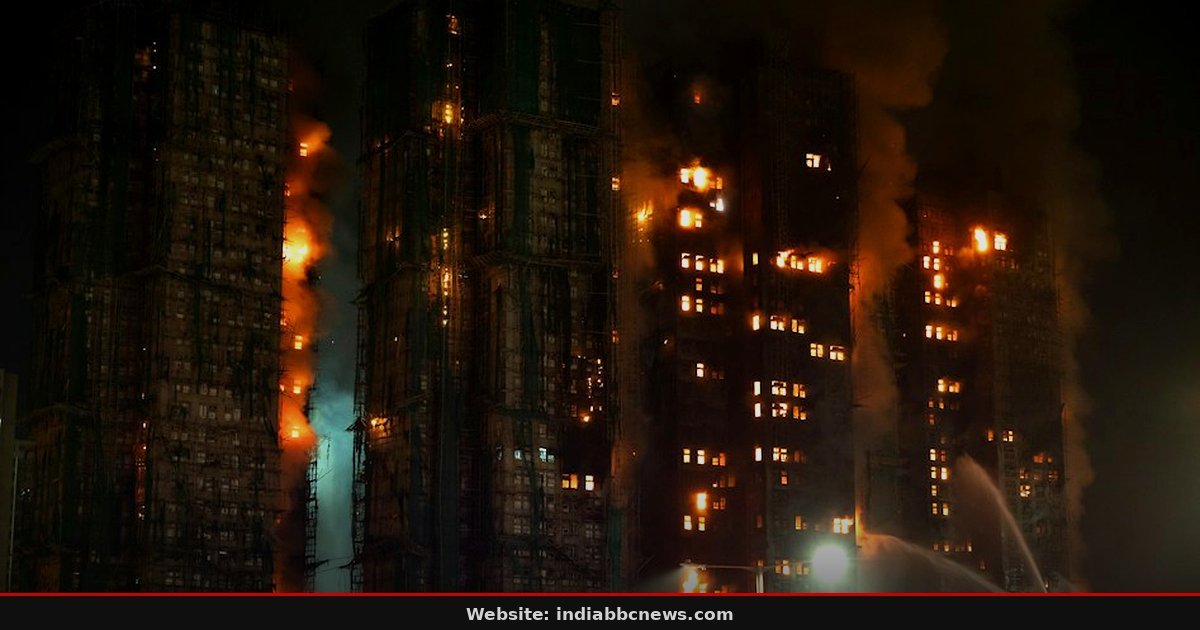
Explosions Rock Kyiv and Moscow as Abu Dhabi Peace Talks Stall
Sirens. The sound cuts through the 3 a.m. silence in Kyiv, shattering the fragile hope that Wednesday’s talks had injected into a war now in its fourth year. It was a reminder, brutal and immediate, that peace is not a destination but a contested battlefield where every silence is bought with drones. Just hours after Russian and Ukrainian delegations wrapped up two days of intense negotiation in Abu Dhabi without a breakthrough, both capitals came under attack.
The irony is not lost on anyone watching from afar: while diplomats shook hands in the desert, air defenses screeched to life over the sea of darkness in the capitals. This is the rhythm of the conflict now — talk, then fire, then talk again.
The Breakdown: Why Abu Dhabi Failed to Deliver
The talks in Abu Dhabi ended without the headline agreement everyone hoped for. Key issues, specifically territorial questions, proved too toxic to dissolve in two days. Both sides spoke of “progress,” a word that has lost almost all its meaning in diplomatic circles after hundreds of fruitless summits. But the stalemate is not new, it is just deeper.
The core demand remains unchanged: Russia wants recognition of the territories it occupies, Ukraine refuses to concede a single inch. That is a gap no amount of US pressure can bridge without a major political earthquake in either Moscow or Kyiv.
Still, one bright spot emerged from the grey. A major prisoner exchange was agreed upon. It is a small, human victory in a vast, mechanical war. Families will be whole again, specific names will be crossed off the lists of the missing.
But can 500 or 1,000 returned prisoners hold up the weight of a continent-wide conflict? Doubtful. It shows both sides still care about their own people’s safety, but care is not the same as commitment to surrender. The exchange proves there is room for deals, but not necessarily for the kind of deal that ends the shooting.
US Envoys Pivot to Moscow and Dublin
Jared Kushner and Steve Witkoff are back in motion. They are heading to Moscow to meet Vladimir Putin, aiming to find a crack in the wall. The US strategy is shifting gears, trying to pull Russia back to the table with direct, high-level pressure. Kushner has been vocal about this, insisting that Europe must have a seat at the table, too.
He knows that a deal Russia ignores will not hold, just as a deal Ukraine and America sign without Europe’s buy-in will collapse under the weight of continental insecurity. It is a tightrope walk, and the wire is made of nuclear cables.
After Moscow, the pair fly to Ireland. Volodymyr Zelensky will be there, attending a meeting of European leaders. The timing is deliberate. It sends a signal that the US is not bypassing its allies but amplifying them.
Zelensky will demand guarantees of security, not just a ceasefire. A pause without protection is just a reload period for the next wave. The US envoys now carry the weight of a continent’s anxiety on their shoulders. They have 48 hours to make this stick, or the next explosion in Kyiv will be the last straw.
What This Means for India’s Strategic Balances
For India, this is more than a distant headline. New Delhi’s foreign policy has been a study in delicate balance since 2022, trimming ties with Moscow while refusing to break them. The stalemate in Abu Dhabi complicates this. If the war drags on, Russia’s economic dependence on Indian energy imports grows, deepening the strategic entanglement.
But if a deal happens suddenly, the geopolitical map shifts overnight. India has position itself as a broker of global south neutrality, but neutrality is rare currency in a binary world. This stalemate keeps India in the middle, which is a comfortable, if precarious, place to be.
Consider the impact on Indian markets. Oil prices will remain volatile until there is a clear path to an end. Indian refiners, who are among the largest buyers of discounted Russian crude, will continue to face scrutiny from the West. The lack of a breakthrough means no sudden spike in sanctions or no sudden drop in demand.
For the average Indian investor, this is a “wait and see” market. But for policy, the real fear is a NATO-Russia incident. If the US pushes for European involvement in a way that Russia sees as encirclement, the risk of a broader conflict rises. India cannot afford a wider war, but it cannot ignore the ripple effects on its own security perimeter in the Indo-Pacific.
The Drone Economy: War 2.0 in Action
Ukrainian forces struck the port of Ust-Luga on Wednesday. They hit the oil infrastructure, damaging 5 storage tanks. It is a symbolic hit, showing that the war is still reaching deep into Russian economic lifelines. But it is also a data point.
Drones are cheaper than missiles, easier to deploy, and harder to intercept. They are the AK-47s of the 21st-century battlefield. They have democratized long-range precision, turning every garage into a weapon factory. This changes the calculus for any future conflict in the region, including those involving other great powers.
Think about what this means for defense budgets. The traditional tank and plane paradigm is shifting. Money is flowing into small, cheap, autonomous systems. For countries watching from the sidelines, the lesson is clear: air defense is only as good as its ability to hack or jam cheap software.
Russia has been hit, but it is adapting. It is investing in counter-drone tech, creating a cat-and-mouse game that will define the next decade of warfare. The cost of war is dropping, but the intensity of it is rising. That is a dangerous equation for global stability, especially with so many regional tensions simmering.
The Human Cost Beyond the Headlines
There is a darker, quieter story emerging from Russia. Reports indicate a rise in bear attacks, with 35 deaths recorded this year. Officials link this to hunters joining the army, leaving the bears unsupervised in parts of Siberia. It is a strange, almost surreal side effect of the war.
The front lines are pulling the population, and nature is filling the vacuum. It’s a detail that won’t make the front page, but it says everything about the social fabric stretching. People are gone. Routines are broken.
The natural order is disrupted. This is the invisible cost of mobilization, the wear and tear on daily life that statistics often miss.
Then there is the death of Russia’s ambassador to the US, Alexander Darchiev. He was 66. He was a titan in the diplomatic world, a man who knew the intricacies of US-Russia relations intimately. His death, from a chronic illness, is a blow to the already strained communication channels.
Who steps in? A new ambassador will take time to learn the nuances, the unspoken rules, the personal dynamics that keep talks from collapsing. In a time of crisis, relationships matter more than policy. Losing a key player at the top level is a setback that can’t be quantified in terms of territory or troops, but it is real.
It is a reminder that wars are fought by people, and people get sick, people die, and institutions falter. The core blocker is territory. Russia insists on keeping the territories it has occupied since 2014 and 2022. Ukraine refuses to cede any sovereign land. Until one side blinks, there is no final agreement.
Frequently Asked Questions
Why did the UAE peace talks end without a deal?
Who are the US envoys meeting in Moscow?
Jared Kushner and Steve Witkoff are the key mediators. They are direct representatives of the Trump administration and have been the primary faces of US diplomacy on this issue for several months. They carry the weight of the US position.
How does the Ust-Luga port strike affect oil supplies?
It is a significant hit to Russian export infrastructure. Ust-Luga is a major Baltic port for oil products. Damage to storage tanks will slow down shipments and likely push up global prices in the short term, affecting markets like India’s.
Will the prisoner exchange lead to a larger deal?
It is too early to tell. Prisoner exchanges are often used as goodwill gestures to keep talks alive. They do not resolve the core political issues. However, they prevent the total collapse of dialogue, keeping a thread connected between the two sides.
What is the impact on European security?
Europe is on edge. The talks signal that the US is trying to include Europe, but Russia is resistant. If the deal fails, European nations face the prospect of a prolonged, unresolved conflict on their border, requiring continued, heavy military spending.
Source: The Independent World
Source: The Independent World

