


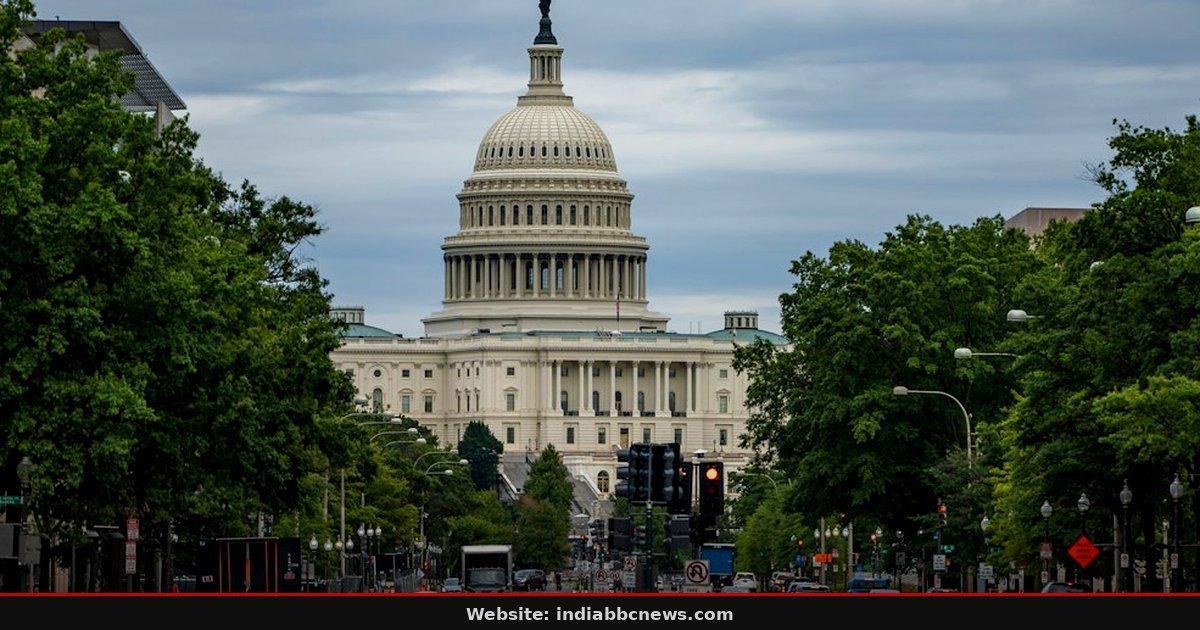
258 Seats, 100 Days: The Democrats’ Gamble in a Post-Midterm America
Hakeem Jeffries didn’t smile when he took the microphone on Monday. He didn’t need to. The numbers hanging above his head did all the talking for him, cold and hard without a shred of charity: 258 seats in the House, 56 in the Senate. It’s the kind of margin that makes the air in Capitol Hill feel thin, charged with the static of what comes next because there is no more pretending Congress is broken or impotent anymore.
The 2026 midterms have handed Democrats a legislative weapon they haven’t held since the early 90s, and the question isn’t whether they can pass bills anymore — it’s whether they actually want to. For years, the “100-day agenda” was a campaign promise, a glossy PDF that promised to reverse tax cuts for the wealthy and reinstate healthcare subsidies that evaporated under Trump’s watch. Now it’s a checklist on a clipboard, and the clock starts ticking on January 3. The pressure is on to move fast because the window closes as quickly as it opened, and every day spent debating internal party politics is a day lost to the next presidential cycle.
The 100-Day Agenda Is Suddenly a Reality Check
Lawmakers are already drawing lines in the sand, some pushing to cut military funding for the Iran conflict while others worry that moving too aggressively will alienate the moderate voters who just gave them this massive win. It’s a tightrope walk that requires a balance most politicians don’t even come close to finding, let alone keep. What really shook the establishment wasn’t just the raw numbers, but where they came from. Democrats took seats in Texas, Mississippi, and South Carolina, places that should have been red brick and mortar for the GOP for the next decade. This isn’t a fluke; it’s a signal that the median voter has shifted, and they are no longer listening to party loyalists who ignored the reality of grocery store prices and housing costs.
Voting Patterns Defy the Traditional Red-Blue Divide
That’s a harder sell than it sounds for party leadership, who now has to govern not just for the base, but for a coalition of independents who are essentially auditioning for a new political home. If the Democrats miss the mark on economic relief, these new districts will flip right back in 2028 with zero hesitation. Donald Trump still holds the nuclear button of US politics: the veto. He has promised to use it aggressively against any bill that offends the base, and within a week of the election, he appointed Stephen Miller as White House Chief of Staff, a move that signaled zero intent to soften his hardline stance. The president called Chuck Schumer “one of the worst leaders in history” on Truth Social, setting the tone for a turf war that will dominate the headlines for the next 24 months.
Trump’s Veto Pen vs. The Gavel
But here’s the thing: the Democrats have the numbers to override a veto, at least in the Senate. That changes the calculus entirely because it means Trump can no longer threaten a bill into oblivion with the certainty that he used to have. He’s in the driver’s seat, but the Democrats are holding the handbrake, and they’re not afraid to yank it.
What This Mean for India’s Tech and Trade Hopes
For India, this shift in Washington is less about ideology and entirely about the supply chain. With Democrats controlling both chambers, the aggressive tariffs that have made Indian textiles and pharmaceuticals expensive in the US market face a cooler reception from Congress, which often prefers bilateral deals that protect US manufacturers while keeping global markets open. This is a direct lifeline for Indian exporters who have been bleeding margin for two years, and it’s a fact that New Delhi’s trade envoys are scrutinizing with every headline.
Consider the semiconductor angle: Jeffries promised a “swift, thorough, and wide-ranging” investigation into Nvidia, a company deeply integrated with Indian tech hubs. If Democrats use their oversight powers to strip export controls or alter chip transfer rules, it could disrupt the $14 billion in annual US-India tech trade or, conversely, open doors for Indian startups to access more advanced AI hardware. The risk is real, but the opportunity is just as tangible, and it’s not something the Indian government can ignore.
Historical Echoes and the Risk of Overreach
History doesn’t care about polling numbers, only about what happens when a party gets drunk on power. In 1994, Democrats held a similar majority and pushed for sweeping changes that ended in a government shutdown and a collapse in approval ratings before the century even ended. The lesson is brutal but clear: a legislative majority is not a mandate for ego, it’s a mandate for execution, and voters forgive failure to act far less than they forgive overreach.
The danger now is that the party tries to do everything at once, from ending the Iran war to overturning tax codes, and in the chaos, the one or two bills that actually matter get buried under the noise. That’s how you lose the next two elections, not by losing the vote, but by losing the trust of the people who just handed you the keys. Voters were frustrated with rising living costs and aggressive immigration raids. This anger pushed even moderate Republicans to switch sides, creating a historic wave for the opposition party.
Frequently Asked Questions
Why did Democrats win so many seats in 2026?
How will this affect the US-Iran war?
Congress controls the purse string for military operations, so Democrats can threaten to cut funding to force a truce. However, the president can still attempt to ground troops despite legislative objections. It’s unlikely to be smooth, given his hostile rhetoric toward Senate leaders. He has stated he will use his veto power aggressively to block legislation he dislikes.
Will Trump work with the new Congress?
What does this mean for Indian exports?
A Democratic Congress is generally more open to trade partnerships that benefit both sides, which could lower the tariff barriers currently hurting Indian goods in the US market. Source: Al Jazeera
Source: Al Jazeera

