
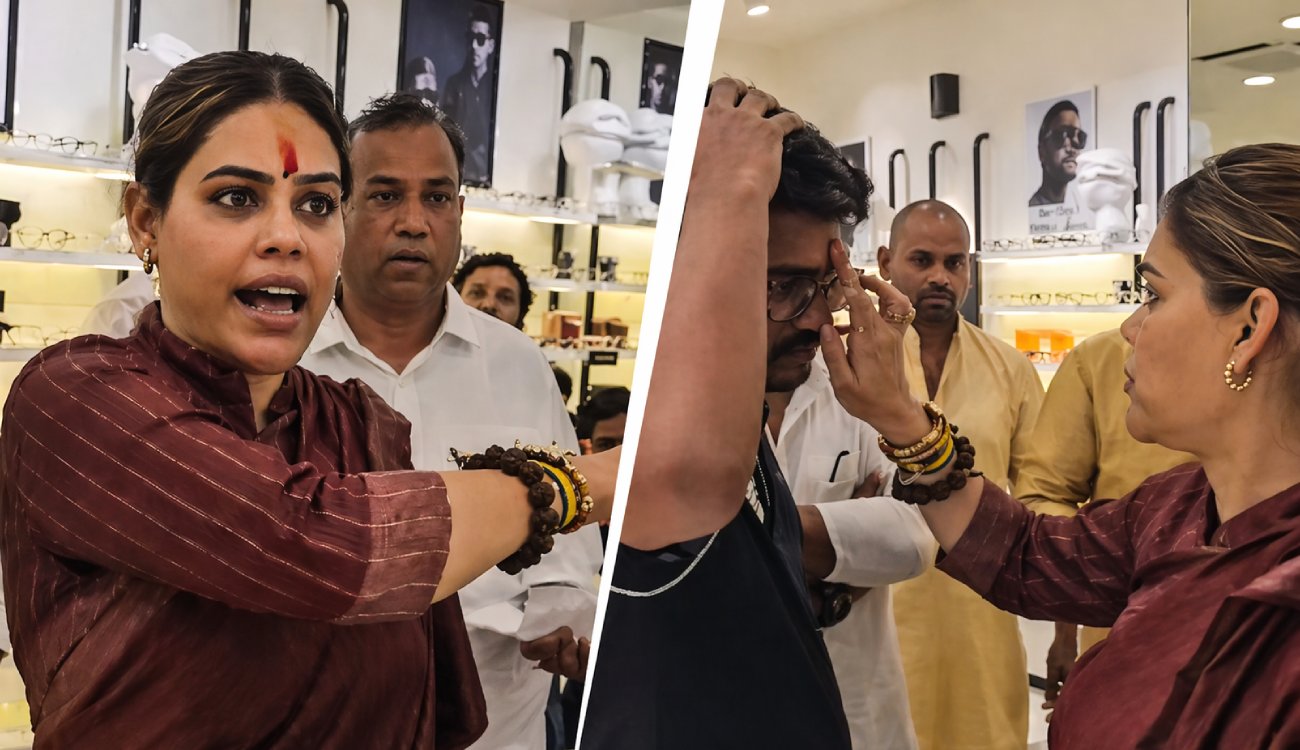
A video of a Muslim man who is a BJP leader having a tilak — the religious mark applied at Hindu ceremonies — applied to his forehead at a Lenskart event has become the latest entry in India’s ongoing conversation about religious identity, corporate Hindu festivals, and what it means to participate across religious boundaries.
The BJP leader’s presence at the event, and his visible participation in what is traditionally a Hindu religious gesture, generated two entirely predictable responses: supporters called it an example of Hindu-Muslim unity and inclusive nationalism; critics called it either forced assimilation or corporate facilitation of religious pressure.
The Lenskart Context
Lenskart’s CEO Peyush Bansal had already been at the centre of a separate controversy — the bindi-hijab comparison episode — when this video emerged. The back-to-back episodes have made Lenskart an unwilling participant in a larger cultural debate that the company clearly didn’t intend to anchor.
Corporate events in India frequently incorporate Hindu religious elements — puja ceremonies, tilak application, Diwali celebrations. For most employees and participants, these are unremarkable; India’s majority religion is part of the ambient culture of its business world. For Muslim, Christian, and Sikh employees and guests, the question of whether participation is expected or entirely optional can be ambiguous in ways that create discomfort.
What the BJP Leader Said
He said he participated willingly and that there was nothing controversial about it. “In India we celebrate each other’s traditions,” he said in a statement. “I see nothing wrong with receiving a tilak at a Hindu friend’s event. This is the kind of India I believe in.”
Whether that represents genuine inclusive tradition or a specific political performance — or both simultaneously — is what’s being debated. The debate itself is the news, as much as the original video.