


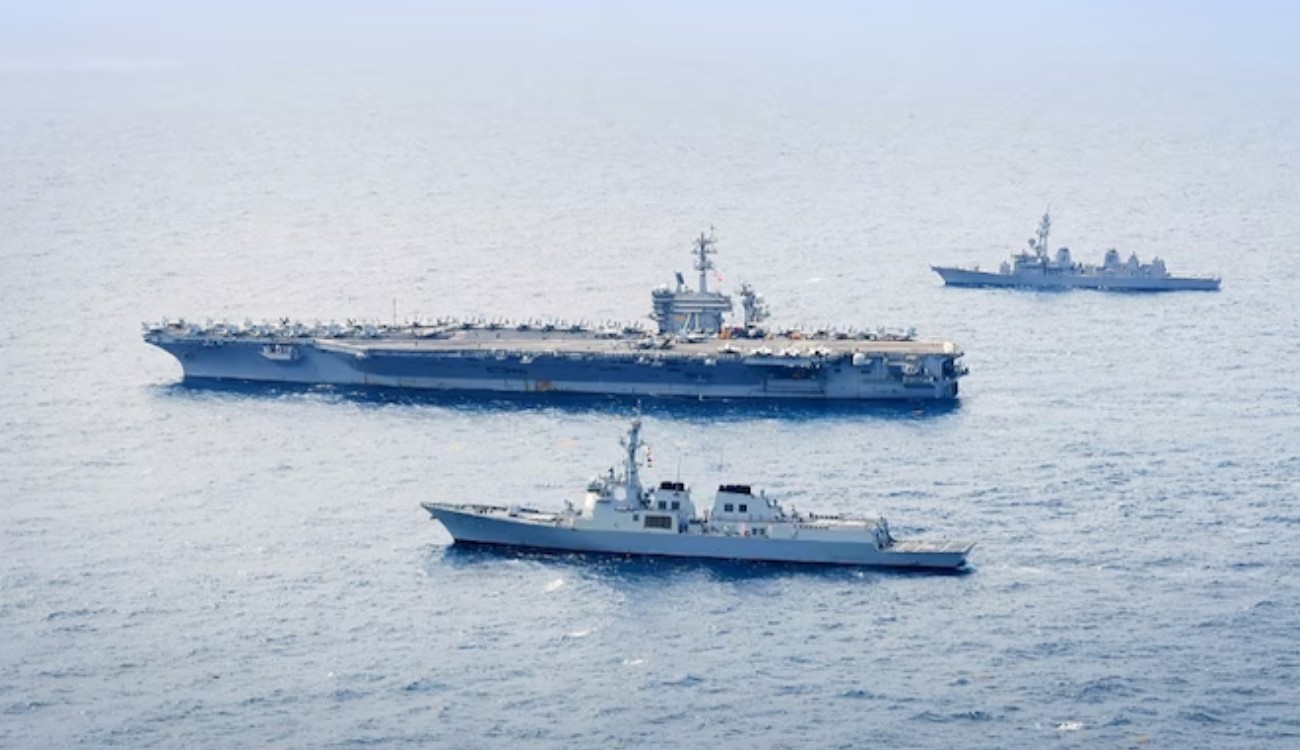
Iran’s “mosquito fleet” — the swarm of small, fast patrol boats and missile-armed speedboats operated by the Islamic Revolutionary Guard Corps Navy — has put US Navy planners in an uncomfortable position since the current Iran conflict began. The discomfort predates this conflict; it’s been a persistent challenge for American naval doctrine since at least the USS Cole attack in 2000.
The Problem With Small and Fast
US Navy carrier strike groups are designed around threat models that include peer adversary submarines and aircraft, not swarms of small boats. The systems that defend aircraft carriers and their escort ships — Aegis, CIWS, the surface-to-air missile systems — are optimised for missile and aircraft threats. Small, low-radar-signature fast boats at close range present a different problem.
The challenge is engagement geometry. Close-in weapons systems like the Phalanx CIWS, which is designed to kill incoming missiles, can also engage surface targets. But the engagement envelope for a swarm of small boats using the ocean’s surface clutter to mask their approach is genuinely difficult to manage.
Iran’s Doctrine
Iranian naval doctrine in the Hormuz strait has been built around the concept of “swarm” tactics — using overwhelming numbers of small, relatively inexpensive platforms to saturate the defences of more capable but more expensive adversary ships. Each boat is individually expendable; the cumulative effect is not.
Iran has also been integrating anti-ship missiles onto these platforms and using unmanned surface vessels alongside crewed boats — a capability development that US Navy analysts have been tracking for several years.
The Current Situation
In the current conflict, IRGC Navy has harassed merchant shipping and conducted exercises in ways that put US Navy vessels on extended alert. Whether that harassment escalates into actual attacks on US warships — with the consequences that would entail — is the tension that both sides are managing with some care.
The “mosquito fleet” puts US Navy in an uncomfortable position not because it threatens to sink aircraft carriers, but because managing it requires sustained attention at a level that creates operational fatigue and creates opportunities for miscalculation.