


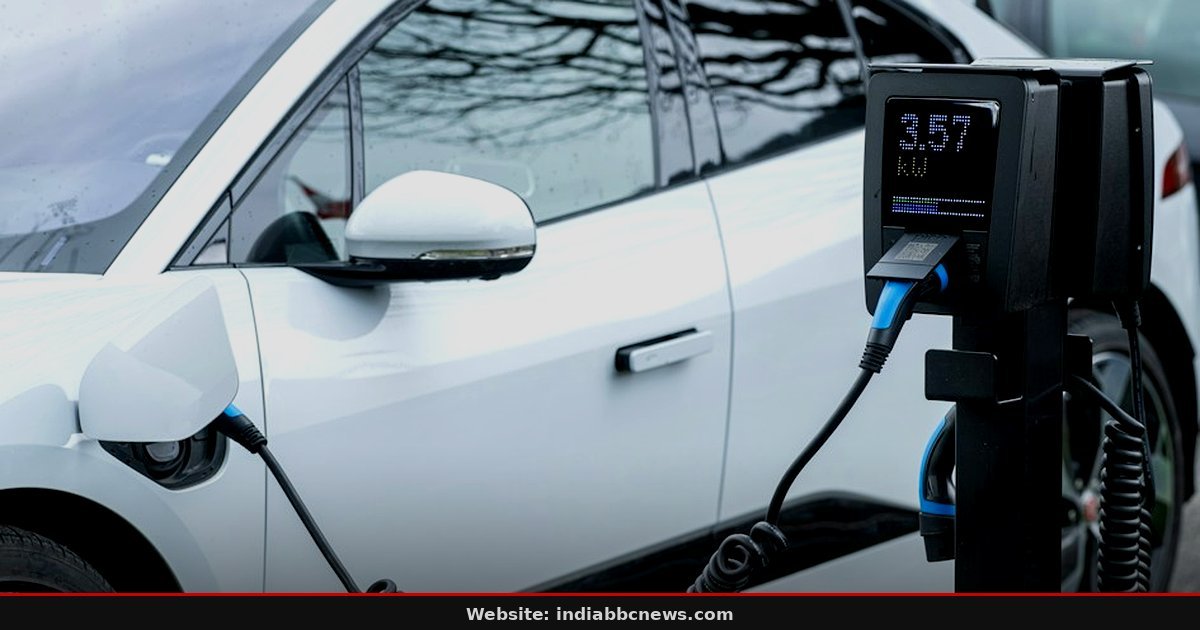
Delhi’s Electric Dream Meets the Wall of Reality: 1 in 77 EVs Lacks a Home Charger
16,785. That is the total number of public charging stations across Delhi and its three neighboring states, as highlighted in a report filed by the Central Pollution Control Board (CPCB) in the Supreme Court on Tuesday. The figure stands in stark, almost painful contrast to the 12.94 lakh electric vehicles (EVs) currently on the roads of the National Capital Region (NCR). It’s a ratio that exposes a chasm between high-level policy promises and the gritty, concrete reality of daily life.
Policy makers have been touting the switch to electric mobility for a decade. But on the ground, the infrastructure hasn’t kept pace with the wheels.
The Math Doesn’t Add Up: A Logistics Nightmare
The gap isn’t just a statistical anomaly; it is a functional failure. With nearly 1.3 million EVs sharing fewer than 17,000 public charging points, the average wait time in a designated spot can stretch into hours. Drivers are currently navigating their cars not just to work, but to hunt for a free socket. This scarcity is forcing a behavioral shift that nobody in the planning stages anticipated. Commuters are treating charging stops like pit stops in a race, timing them meticulously to avoid peak congestion.
Authorities have argued that home charging is the primary solution, with a significant portion of users installing private chargers. Yet, for renters or those in older apartments without dedicated parking spaces, this option is nonexistent. The CPCB report notes that the existing public network is heavily skewed towards certain high-footfall areas, leaving vast swathes of the NCR effectively served. If one in every 77 EVs has to share a single public charger, the strain on the grid and the patience of users is unsustainable. That’s a harder sell than it sounds to the average citizen who just wants a reliable commute.
What This Means for India’s Green Transition
For India, this report is a stumbling block in its mission to become a global hub for electric mobility. The country has set aggressive targets to double EV penetration by 2030, but these dreams rely on a seamless user experience. Currently, the “range anxiety” of Indian consumers is less about battery technology and more about infrastructure availability. This disconnect could slow adoption rates in second and third-tier cities, which the government has identified as the next frontier for EV growth. If Delhi, the capital and the most developed ecosystem, is struggling, what does that signal for smaller states with weaker administrative capacity?
Indian investors and automakers are watching these numbers closely. Several startups have diluted funding rounds amid concerns that the public infrastructure pipeline is stalled. There’s a risk that the private sector begins to pull back from long-term bets on NCR expansion, citing regulatory and logistical hurdles. The India angle here is not just about pollution; it’s about economic confidence in the green transition.
If the state cannot guarantee basic utility access, the private sector will hesitate to deploy capital. This could delay the modernization of India’s transport backbone by years, not months.
Policy vs. Groundwork: The Missing Middle
Why is infrastructure lagging so far behind vehicle registrations? The answer lies in the fragmented nature of municipal oversight in the NCR. The Delhi government manages the city, while UP, Haryana, and Rajasthan manage their respective territories. Coordination between these four entities is notoriously difficult, often stalled by bureaucratic red tape and differing priorities.
The CPCB report highlights that many proposed charging zones have been awaiting clearances for over 2 years. It’s a classic case of policy being drafted in central offices while the groundwork is stalled at local municipal levels.
Experts in urban planning typically point to this “implementation gap” as the killer of green initiatives. It’s not that the technology doesn’t work; it’s that the permission slips don’t. A similar situation occurred during the rollout of compressed natural gas (CNG) refueling stations a decade ago, where delays in land allocation caused a boom-bust cycle. The lesson was clear: without dedicated nodal officers and fast-track land clearing, infrastructure projects will drag their feet.
The current EV scenario mirrors that past failure, suggesting that unless the accountability chain is tightened, the gap will only widen. Nobody in the room at the recent stakeholder meetings looked convinced that the current pace would change quickly.
The Financial Squeeze on Fleet Owners
Commercial fleet owners, including delivery services and ride-hailing aggregators, are feeling the pinch most acutely. They’ve invested heavily in EV fleets, expecting lower fuel costs to boost margins. But the time spent hunting for chargers is eating into their efficiency gains. One fleet manager in Gurugram told reporters that his drivers are losing 2-3 hours a day in inefficient routing just to manage charging cycles.
That’s a direct hit to profitability that wasn’t modeled in the initial business plans for electrification. The financial math is becoming unstable for medium-sized operators who can’t afford the downtime.
Major corporations are starting to take notice and adapt. Some large logistics firms are now investing in their own private charging hubs to bypass the public scarcity. This privatization of infrastructure might solve the immediate problem for big players, but it leaves smaller players and private consumers holding the bag. It’s a two-tier system emerging: the ultra-corporate and the everyone-else.
This inequality in access could create social friction, especially as municipal elections approach and voters demand tangible relief from pollution and traffic woes. The burden is shifting from the state to the individual, which is a regressive step for public policy.
The Road Ahead: Deadlines and Decisions
The Supreme Court has given the CPCB and the concerned state governments until next month to present a detailed action plan. This deadline is not just a bureaucratic formality; it’s a test of intent. The court has explicitly asked for a month-by-month rollout schedule for new charging stations, including the land titles and electricity connection status. Without this level of detail, the previous promises of “10,000 new stations” will remain just that—promises. The pressure is now on the Delhi Government and the NCR Heads to show that they can move faster than the vehicle registration data.
What happens next will determine the trajectory of India’s urban mobility. If the infrastructure gap remains unrepaired, the push for EVs will hit a ceiling, potentially triggering a policy retreat. Alternatively, a surge in accelerated deployment could save the initiative, but it requires unprecedented cooperation between state borders. The clock is ticking, and the 12.94 lakh vehicles on the road aren’t going anywhere.
They just need a place to plug in. Whether the system can handle that demand in the next 6 months is the real question here. It’s a test of administrative agility that India has rarely passed in the past.
Frequently Asked Questions
How many electric vehicles are there in Delhi NCR?
According to the CPCB report filed in the Supreme Court, there are a total of 12.94 lakh (1,294,000) electric vehicles registered across Delhi and the three NCR states of Haryana, Uttar Pradesh, and Rajasthan. There are only 16,785 public charging points or stations available for the entire NCR region, which serves the 12.94 lakh EVs mentioned in the official data. The Supreme Court is monitoring vehicular emissions because Delhi frequently exceeds safe pollution levels. The court has directed the CPCB to regularize reporting and ensure that infrastructure matches the growth in electric vehicle adoption to meet emission targets.
What is the current number of public charging stations in NCR?
Why is the Supreme Court involved in this matter?
Does the report mention home charging?
Yes, the report acknowledges that many EV owners use private home chargers, but it highlights that a significant portion of users in rented or older properties lack this facility, making public infrastructure critical. The Central Pollution Control Board has been given until next month to present a detailed, month-by-month rollout schedule for new charging stations to the Supreme Court, including land clearance and power connection status. Source: The Hindu
What is the deadline for the new infrastructure plan?
Source: The Hindu

