


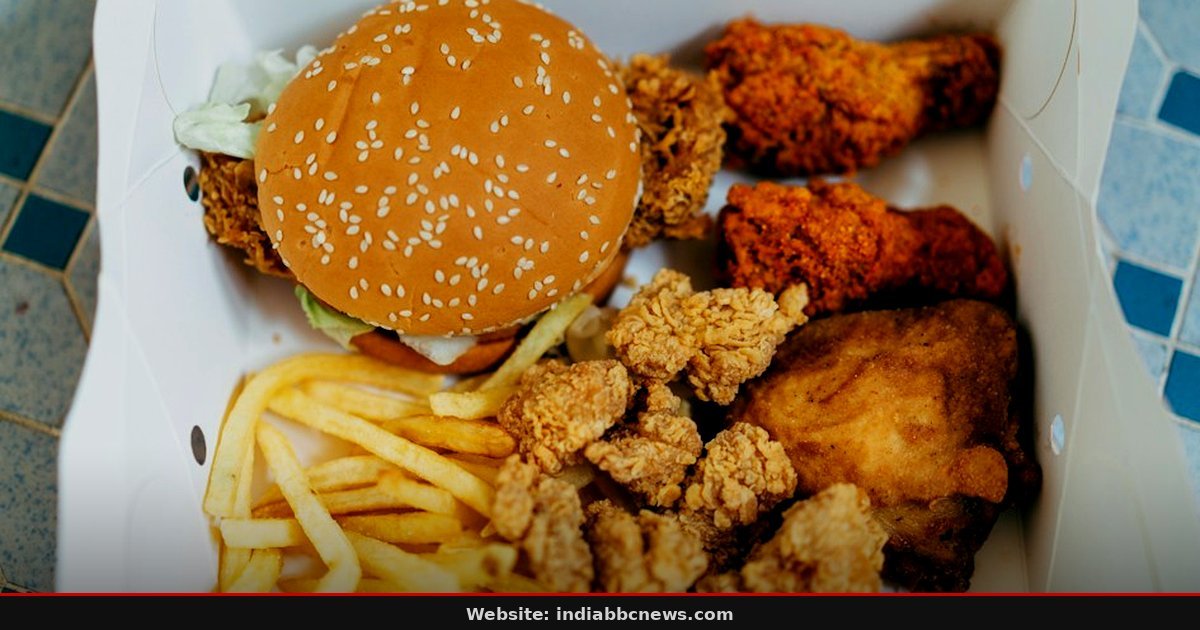
£4.20. That is the price of admission to the most bizarre culinary experiment of the winter season.
You might be wondering why anyone would pay more than a tenner for fried chicken between two crumpets. It sounds like a joke until you read the marketing brief. Warburtons and Morley’s have officially launched the CruMMMpet Burger. It is arriving in over 50 UK stores right now.
The target audience is not the lunch crowd. It is the post-clubbing demographic. Specifically, the 78% of Gen Z Brits who claim to crave food after a night out. The timing is precise.
The product is polarizing. And the science backing it up is surprisingly mundane.
Why a Teatime Staple is Now a Nightlife Staple
The collaboration feels like a glitch in the matrix of British dining. A crumpet is a symbol of afternoon. It belongs in a kitchen with tea and marmalade. It signifies safety, routine, and domesticity.
To put it in a burger casing is to strip it of its context. It becomes a vehicle for grease and heat instead of sweetness. The move signals a shift in how fast-food chains treat “comfort.” They are no longer just selling hunger. They are selling a specific emotional state.
That state happens at 11pm on a Saturday. Dr Sue Bailey provided the scientific justification for this odd pairing. She explains that winter days shorten and serotonin drops. Carbohydrates trigger serotonin production. Protein and fats stimulate dopamine.
A crumpet offers the carb. The fried chicken offers the fat. The result is a neurological punch. It is not just a meal.
It is a chemical intervention for a tired brain. The sauce is a jalapeño honey blend. It adds a sweet heat that cuts through the heavy fried dough. This is not about taste alone.
It is about hitting multiple reward centers in the brain simultaneously. New research cited in the launch materials points to a specific hour. Between 11pm and 12am, 20% of Brits report peak food cravings. This is the hour when the party winds down. The energy crashes.
The 11pm Exodus and the Gen Z Factor
The body demands fuel. It is a predictable biological circuit break. Most late-night options are generic. A kebab, a chip, a slice of pizza.
These are tried and true. The CruMMMpet Burger aims to disrupt this monotonous cycle. It offers novelty. It offers a story to tell the friend who fell asleep in the cab.
It is a prop for the social narrative of the night. The demographic data is glaring. 60% of Brits overall want a bite after a night out. But the number jumps to 78% among Gen Z. This generation is different from their parents in how they consume food. They eat less often but more intensely.
They view food as an experience rather than a utility. They are willing to try a crumpet burger if it fits the aesthetic of the evening. They are also more susceptible to the “oddity” factor. If something is weird enough, it is worth posting.
The product knows this. It is designed to be photographed. It is designed to be debated. It is designed to be shared in the dark.
Is it actually good? That is the question everyone is avoiding. The ingredients are standard. The chicken is Morley’s signature crispy fried.
The bread is Warburtons’ standard crumpet. The sauce is custom. There is no new ingredient. There is only a new arrangement.
The science says it should work. The brain loves familiar flavors in new contexts. But the palate can be tricky. Some will find the sweetness of the crumpet cloying next to the spice of the chicken.
Others will find the combination refreshing. It is a gamble. And in the fast-food world, gambles are how you stay relevant. It is also how you get talked about.
For a week, this burger will be the thing everyone mentions. That is worth more than the taste to the brands involved.
What This Means for India’s Food Export Sector
Indian consumers watching this trend should notice the underlying strategy. It is not just about a burger. It is about the premiumization of simple staples. In India, we see this with the rise of “masala” variants of everything.
Chai is no longer just hot water and tea. It is spiced, iced, blended with fruit, or served in fancy mugs. The same logic applies here. A crumpet is akin to a poori or a roti.
It is basic. By pairing it with premium chicken and exotic sauce, the value proposition shifts. The price point of £4.20 is high for a crumpet. It is low for a burger.
This hybrid pricing allows brands to capture two markets at once. Indian food chains could adopt this. Take a simple item like a prata or a naan. Pair it with a gourmet meat or a unique regional spice blend.
Market it as an experience, not a snack. The lesson is clear: familiarity plus novelty equals profit.
There is also an implication for supply chain and sourcing. Warburtons is a mass-market baker. Morley’s is a mid-tier fried chicken chain. Their partnership shows that mass-market brands are willing to take creative risks.
They are not afraid of being weird. For Indian exporters of spices, oils, or proteins, this is a signal. The global market is hungry for “story-driven” food. It is not enough to sell chicken.
You need to tell a story about the chicken. You need to explain why it goes with a crumpet. You need to provide the emotional hook. Indian brands often focus on quality and purity.
That is good. But they must also focus on narrative. If you can explain why your product fits a specific mood or moment, you can charge more. This burger is a case study in selling a feeling.
It is a feeling of comfort, chaos, and celebration. That is a feeling that travels well.
Jon Warburton’s “Seen It All” Moment
Jonathan Warburton, the chairman, admitted he thought he had seen everything you could put on a crumpet. He was wrong. That admission speaks volumes about the speed of food innovation. In his 40 years in the business, he has watched trends come and go.
The crumpet was safe. It was a constant. Now it is a variable. The “unexpected” combination is the point.
He called it “half the fun.” This casual dismissal of tradition is a hallmark of modern branding. Tradition is no longer a safeguard. It is a baseline. You have to break it to be noticed.
The other half of the fun is the execution. The chicken must be crispy. The honey must be spicy. The crumpet must not disintegrate in the heat.
It is a technical challenge disguised as a joke. The other key player is Shan Selvendran, CEO of Morley’s. He noted that they know what people want after a night out. His comment about turkey having Christmas Day is sharp. It positions Morley’s as the brand for the post-celebration hangover.
It is the brand for the night, not the day. This is a smart segmentation. They are not competing with the grocery store for the Sunday roast. They are competing with the kebab shop for the Saturday night.
By partnering with Warburtons, they gain credibility. Warburtons is a family brand. Morley’s is a street brand. The partnership bridges that gap.
It makes the risky burger feel slightly more palatable to the conservative ear. It says, “Yes, this is weird, but it is made by the people who make your Sunday tea.” That is a powerful endorsement.
The Chemistry of Craving: Why We Eat What We Eat
Dr Bailey’s explanation of serotonin and dopamine is the core of the story. It moves the debate from taste to biology. We do not eat because we are hungry. We eat because we are sad, tired, or bored.
Winter exacerbates this. The lack of sunlight affects our mood. We seek external sources of comfort. Food is the easiest way to achieve this.
It is immediate. It is tangible. It is social. Eating something weird with friends is a bonding experience.
It creates shared memory. The crumpet burger is not just food. It is a social lubricant. It gives people something to react to.
It gives them a story to tell the next morning. The science backs it up, but the social dynamic drives the sale.
The “emotional side” of comfort food is often ignored in mainstream food writing. We focus on ingredients. We focus on calories. We rarely talk about the smell.
Dr Bailey highlighted that smell triggers memory. The smell of fried chicken is universal. It signals safety. It signals warmth.
It signals “school lunch” or “family dinner.” By putting that smell inside a crumpet, you are triggering those memories while simultaneously confusing the brain. The conflict keeps the experience fresh. It prevents habituation. If you eat the same burger every day, it becomes invisible.
If you eat a crumpet burger once, it becomes unforgettable. This is the trick. It is the only trick that works in a saturated market. Forget the calories.
Focus on the memory. That is where the real value lies.
Logistics of a Limited-Edition Launch
The burger is available from November 19 to December 31. It is in more than 50 Morley’s stores. The Dalston Junction store is doing a free giveaway on launch day. 300 free samples. That is a calculated risk.
If the burger is bad, they lose money on the freebies. If it is good, they gain a viral moment. The freebies are a bet. They are a test.
They are also a content farm. Every person who gets a free sample is a potential reviewer. They are a potential influencer. The brand is buying attention with chicken and bread.
It is a cheap way to get rich media coverage. The limited nature of the window creates urgency. If you miss it, it is gone. That scarcity is a key driver of demand.
It forces the decision. You buy it now or you regret it later. Most people will buy it now. Curiosity is a powerful salesperson.
The logistics of serving a crumpet-based burger are non-trivial. Crumpets are delicate. They are porous. They absorb grease quickly.
A standard burger bun holds its shape. A crumpet can collapse under the weight of fried chicken and sauce. The chefs must be trained to handle this. They must know when to remove the patty.
They must know how to plate it. It cannot be a microwave job. It requires a hand. It requires care.
This adds to the perceived value. It is not just fast food. It is semi-handcrafted. That distinction matters.
It justifies the price. It justifies the hype. If it were on a menu permanently, it might feel cheap. As a limited edition, it feels special.
It feels like an event. And events sell. Especially in a city like London, where people are always looking for the next event to attend. The burger is the event.
The store is the venue. The price is the ticket.
What Comes After the Hype Fades
The next few weeks will determine the legacy of the CruMMMpet Burger. If it sells out daily, Warburtons and Morley’s will consider a permanent line or a seasonal return. If it fails, it will become a meme. A cautionary tale.
A joke. The data will tell the truth. The sales figures will not care about the science. They will only care about the revenue.
But the cultural impact is already there. We have accepted that a crumpet can be savory. We have accepted that comfort food can be weird. That shift is permanent.
Once you open the door, you cannot close it. The next brand will do something even weirder. They will put chocolate in a kebab. They will put cheese in a cake.
The cycle will continue. This is the nature of the modern food market. It is always moving. It is always changing.
It is always hungry for the next shock. The crumpet burger is just the latest iteration of an ancient game. Play it well, and you win. Play it badly, and you are forgotten.
Right now, we are all watching. The ball is in the air. The crowd is waiting. Who is it going to land with?
That is the only question that matters. You can find it in more than 50 Morley’s stores across the UK. The launch includes a free giveaway at the Dalston Junction location on November 19. After that, it is available for purchase until December 31.</
Frequently Asked Questions
Where can I buy the CruMMMpet Burger?
Source: Daily Mirror UK

