

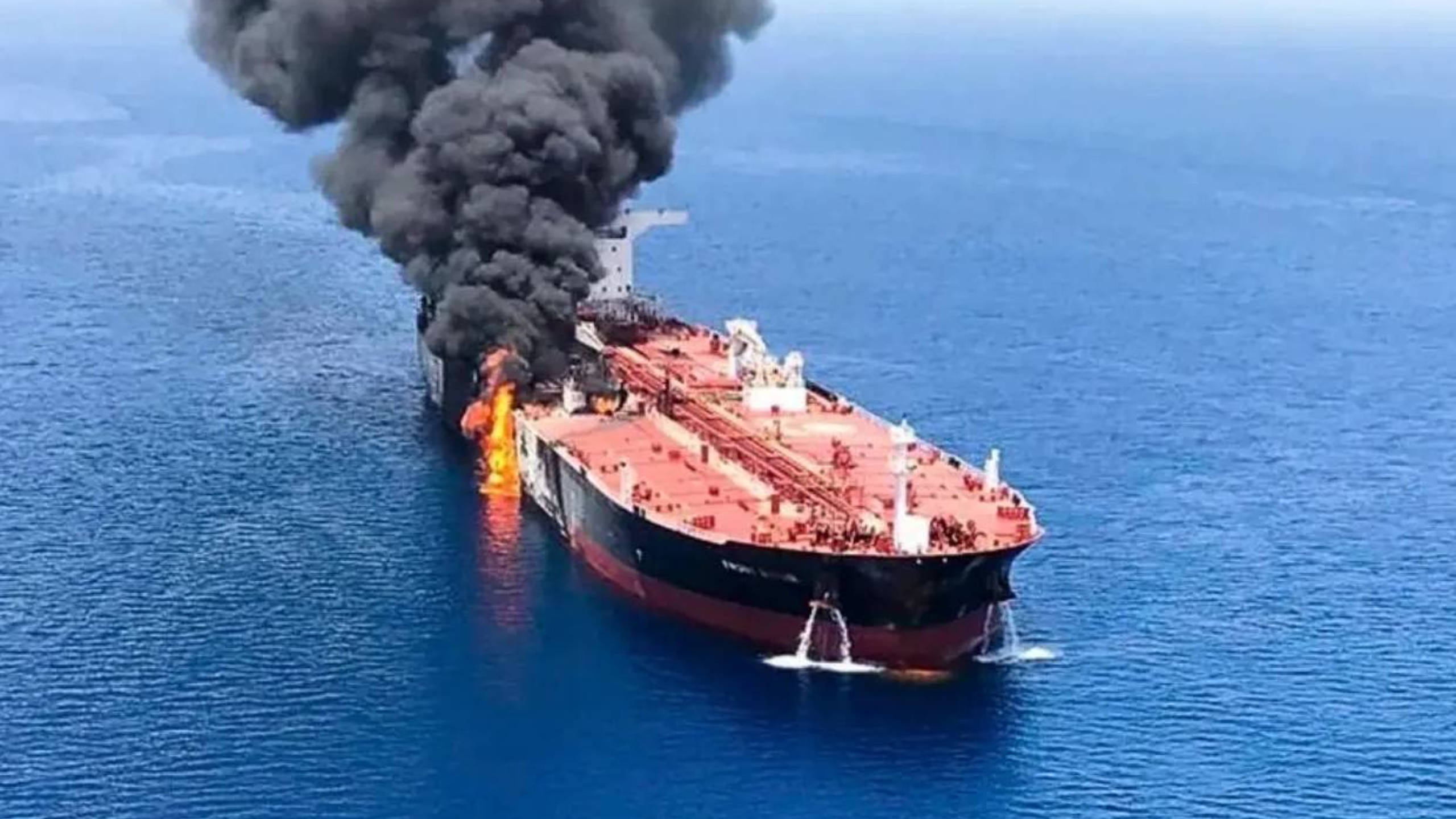
Three Indian sailors are dead. Their families are waiting for answers. And a US oil tanker company is under investigation for what happened aboard one of its vessels in the Gulf of Oman.
The case has moved through Indian consular channels, maritime investigation bodies, and the Indian Navy — and it has raised uncomfortable questions about the conditions Indian migrant seafarers face in international waters.
What Happened
The three men — identified as crew members from Kerala and Andhra Pradesh — were found dead aboard the tanker under circumstances that the vessel’s operators initially described as an accident. Indian consular officials in Muscat were notified after the vessel docked at an Omani port.
The families of the men, however, say the official account doesn’t add up. They point to communications from the men in the days before their deaths — messages that described difficult conditions aboard the vessel, conflict with certain crew members, and what one of them described as feeling “unsafe.”
Those messages are now central to the investigation. Indian authorities have formally requested the complete communication records from the men’s personal devices, which were handed over by the company after initial resistance.
The Company’s Response
The tanker’s operator — an American company with vessels registered under a flag of convenience — has said that an internal investigation found no evidence of foul play and that the deaths were the result of an industrial accident aboard the vessel. They have expressed condolences to the families.
That explanation has been rejected outright by the families, who have filed formal complaints with Indian maritime authorities and the Ministry of External Affairs demanding an independent investigation.
Where the Investigation Stands
The Ministry of External Affairs has raised the matter formally with US counterparts and has asked for access to the company’s internal investigation records. India’s Directorate General of Shipping has opened its own inquiry.
Forensic reports from the autopsies conducted in Oman have been shared with Indian authorities. Sources familiar with the investigation say the reports have raised questions that the accident theory doesn’t fully resolve, without being definitive enough to establish alternative conclusions.
The Broader Issue
Indian seafarers make up a significant portion of the global merchant marine workforce — roughly 1.5 lakh Indians work on international vessels at any given time, a number that has grown steadily over the past two decades. They are disproportionately employed on vessels with complex ownership structures, flags of convenience, and labour arrangements that can make accountability difficult when things go wrong.
India has bilateral agreements with several countries on seafarer welfare, but enforcement is challenging when incidents occur in international waters or in jurisdictions where Indian consular access is limited.
For the families of the three men, none of this institutional complexity is much comfort. They want to know what happened to their sons and husbands — and they want someone to be accountable for it. Whether the investigation delivers that is something that will take months to determine.

