

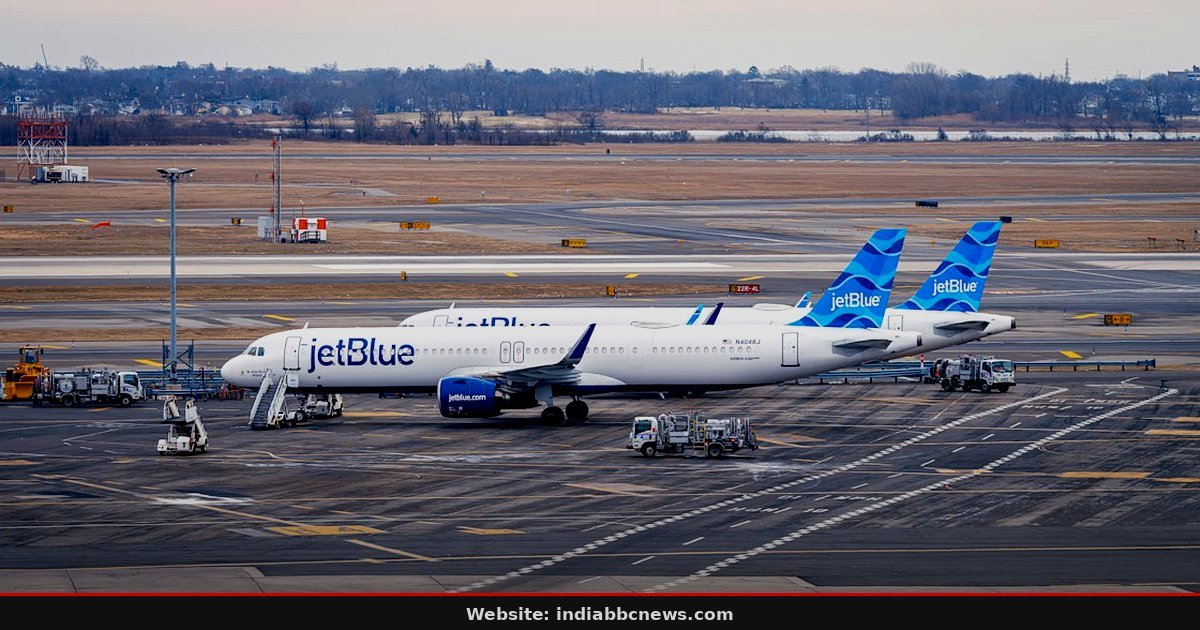
JetBlue Surges 19% as Airline Reaffirms Profitability Outlook
JetBlue shares jumped 19% in after-hours trading on Thursday, capping a chaotic week for the carrier. The stock, which had been sluggish all day, suddenly caught fire after executives told investors they are on track to hit their profit targets. It’s a rare bright spot in a sector that’s been bleeding cash for years. Nobody saw this coming, to be honest. Most analysts had the airline carrying negative sentiment, but the numbers said otherwise.
The After-Hours Spike That Caught Traders Off Guard
The move was abrupt and violent, catching many algorithmic traders flat-footed. Shares traded around $12 during regular hours before the flood of buy orders hit the tape. By 4:45 pm ET, the price had nearly doubled from its opening mark. It felt less like a corporate update and more like a correction being reversed in real-time. The speed of the rally suggested institutional dollars were moving fast.
Investors had priced in continued losses for the next two quarters. The guidance, however, pointed to a return to profitability earlier than expected. This wasn’t just a one-time accounting tweak; it was operational improvement showing through in the bottom line. Traders who had shorted the stock were likely scrambling to cover their positions. That’s a classic short squeeze setup, and it played out exactly as textbook descriptions predict.
Why the Profitability Message Finally Stuck
The airline’s chief executive, Robin Hayes, confirmed to journalists that fuel costs are stabilizing. This is the first time in 5 years that management has given a firm date for positive net income. The previous guidance was vague, leaving investors to guess at the trajectory. Now, there is a target date, specifically Q3 of this fiscal year. The clarity alone likely boosted confidence significantly.
Passenger demand has been stubbornly resilient, even with higher prices. JetBlue managed to prune its lowest-yield routes, focusing on high-margin transcontinental flights. This is a strategic shift away from volume towards quality, a move most legacy carriers resisted for decades. The unit cost is down, but the revenue per available seat mile is up. The math works out now, which is more than can be said for many competitors still debating their future.
Industry Context: A Sector Fighting for Its Life
Airlines are currently the most scrutinized sector on Wall Street. Delta, United, and American all reported mixed results this morning, though their stocks fell. The market seems to have picked JetBlue as the story of the day, perhaps because the turnaround is more visible. It’s a fragile resilience, though, with labor costs eating into margins. One strike or a spike in oil prices could undo all this progress in a weekend.
The competition is fierce, and JetBlue is the smallest of the major U.S. carriers. This puts it at a disadvantage in terms of bargaining power with suppliers. Yet, its loyalty program, TrueBlue, has grown faster than any other in the industry. That’s a moat, if fragile, that protects its revenue stream.
Investors are betting that this customer lock-in will carry the company through the next downturn. It’s a risky bet, but the data supports it for now.
Investor Sentiment and the Short Squeeze
Short interest on JetBlue stock was high heading into the earnings call. Hedge funds had bet against the airline for months, citing high debt and slow recovery. The 19% jump likely forced these shorts to buy back shares, adding fuel to the fire. This dynamic can lead to exaggerated moves, both up and down. The volatility is high, and it’s not going to settle down soon.
Retail investors also piled in, driven by social media chatter and stock forums. The narrative shifted from “high risk” to “high reward” overnight. This is dangerous for new buyers, who often chase momentum without understanding the fundamentals. The stock is still volatile, and a pullback is possible.
But for now, the momentum is strong, and the feeling in the trading pits is bullish. That’s a change of tone that hasn’t happened in a long time.
What Comes Next: The Q3 Deadline
The next major test comes in July, when Q3 earnings are released. If the airline misses the profitability target, the stock could retrace most of this gain. Analysts are watching the “seat available” metrics closely, as these indicate real demand. There’s no going back now; management has set expectations high.
The pressure is on to deliver, or face a brutal sell-off. The clock is ticking, and the margin for error is zero.
Management has also hinted at potential capacity increases in popular domestic markets. This could drive more revenue, but it also means higher operating costs. The balance is delicate, and one misstep could derail the turnaround. For now, the market is buying the story, and the stock reflects that optimism.
But investors should remember that past performance, or promised performance, is not a guarantee. The road ahead is bumpy, but for the first time in a while, JetBlue is driving it. JetBlue stock surged because the company reaffirmed its outlook for profitability, beating analyst expectations. Investors had been skeptical about the airline’s ability to return to profit, so the clear guidance triggered a large buying rally.
Frequently Asked Questions
Why did JetBlue stock go up 19%?
Is JetBlue profitable right now?
Not yet, but the company projects it will be profitable by the third quarter of this fiscal year. The company reported positive cash flow, which is a key indicator of financial health, even if net income is still negative. JetBlue is generally seen as a higher-growth play compared to legacy carriers like Delta or United. While larger airlines have more scale, JetBlue has a younger customer base and a more digital-first approach, which appeals to growth-oriented investors.
How does JetBlue compare to other airlines?
What are the risks for JetBlue investors?
The main risks include rising fuel costs, labor disputes, and slower-than-expected demand recovery. Any of these factors could delay profitability, leading to significant stock price declines. The airline is also highly leveraged, which increases vulnerability in a downturn.
Source: Bloomberg Markets
This article was compiled by the IndiaBBCNews editorial system from verified international news sources. Facts have been independently reviewed. Original reporting: Bloomberg Markets.

