

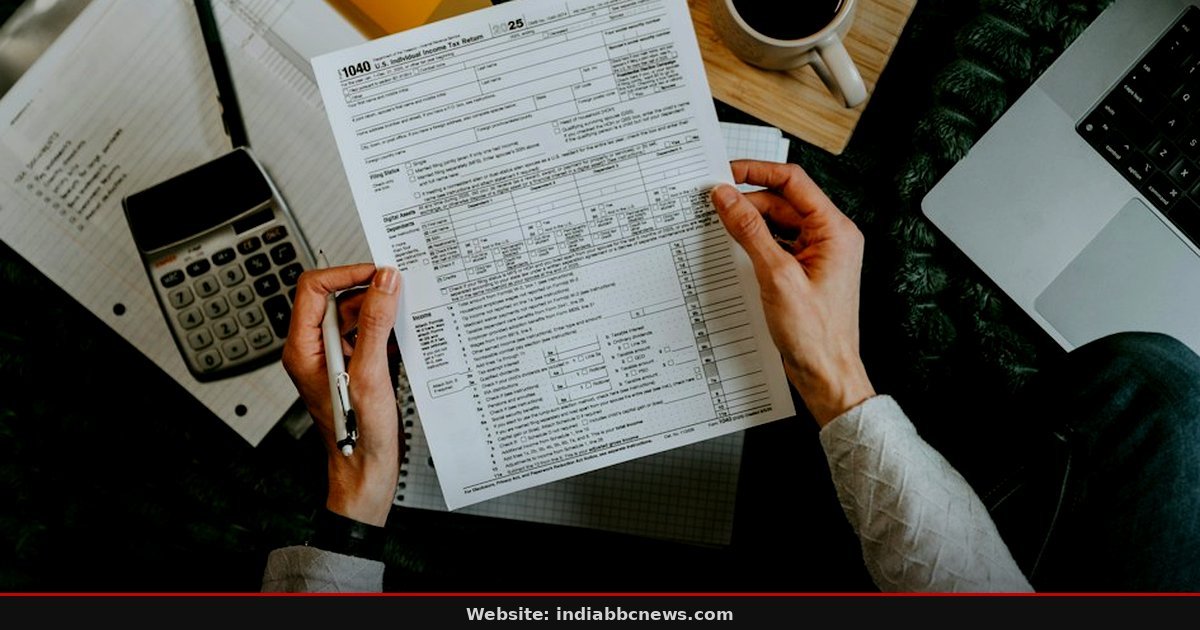
Tax thresholds remain unchanged: here’s what it means for your pay
Your first £12,570 is still tax-free. That number isn’t moving, it’s frozen until April 2031, and for millions of workers it means a quiet, compounding hit to their take-home pay that no one will see on the headline rate cards.
A “Stealth” Tax That Hits Millions of Payslips
Chancellor John Healey didn’t scream about this one in his Budget speech. The freeze, which has been stripping extra cash from pockets for 5 years, is just another line in the OBR documents. It’s not a new rate; it’s the old one standing still while your salary climbs. That’s how stealth taxes work, they don’t announce themselves, they just quietly eat your raise.
The money raised is staggering by any measure. By 2030-31, this policy will be generating an estimated £58bn for the Exchequer, a sum that dwarfs the entire transport budget. It’s roughly on par with what the government currently spends on defence, showing just how much weight this single mechanism carries. For the Treasury, it’s a reliable, if unfelt, cash cow. For the taxpayer, it’s a slow leak in the boat.
The Personal Allowance Trap: Who is Actually Affected?
It hits hardest if your income is sitting right on the edge of a threshold. But if you get a pay rise, you’re in the target zone, too. The OBR calculates that by 2031, an extra 6.8 million people will be paying income tax who wouldn’t have been if the allowance had kept up with inflation. It’s a massive drag on the middle class, pulling people into the net who felt safe just a few years ago.
This isn’t just a theoretical future problem. The state pension was already teetering just below the £12,570 line. Next April, when the basic state pension rises to £13,036, pensioners would have been dragged into paying tax. Healey has thrown a lifeline with a new Pension Tax Allowance, ensuring low-income retirees keep their income untaxed. It’s a targeted fix, but it highlights how close the basic allowance is to catching ordinary workers too.
How the Freeze Works Against Your Pay Rise
Wages go up, the cost of living goes up, and the threshold stays put. That’s the simple arithmetic of the 2021 freeze. If the allowance had risen with inflation, you’d be able to take home the first £16,070 of your salary without a penny of tax. Instead, you’re paying 20% on anything above £12,570, a gap worth £3,500 of untaxed income per worker. That’s a harder sell to the average household than any abstract fiscal theory.
For someone earning £30,000, the difference is stark. The “lost” allowance means a significant chunk of their salary is now taxable simply because prices have risen. It’s not that the tax rate has gone up; well, not directly. It’s that the line in the sand has moved further from your salary than it should have. The pain is in the payment, not the policy statement.
Higher Rates: The 40% Bracket Expands Rapidly
The freeze doesn’t just affect basic rate taxpayers. It’s sweeping more people into the 40% higher rate bracket. By 2031, the OBR expects an extra 5.4 million people to be paying this higher rate because of the frozen threshold. The limit that triggers the 40% rate is currently £50,271; had it risen with inflation, that line would be at £64,470. That’s a £14,000 difference in where “higher rate” starts.
Almost one in four taxpayers will be caught in the higher rate by the end of the decade. If you’re earning over £50k and get a standard raise, you’re likely to pay more tax on that raise than you would have 5 years ago. The same logic applies to the 45% additional rate, which kicks in at £125,140. For high earners, the freeze is a significant hidden cost, eroding the value of their promotions and bonuses before they even see it in the bank.
The £198 Question: Will Unfreezing Save You Money?
The Institute for Fiscal Studies (IFS) ran the numbers on what would have happened if Healey had broken the freeze this week. For basic rate taxpayers, unfreezing the allowance would have saved up to £198 a year in tax. For those in the higher rate bracket, the saving would be up to £395 a year. It’s not a fortune, but it’s a noticeable boost to household budgets, especially in the current climate.
However, the picture is muddied by the 2024 cut to National Insurance Contributions. For many middle earners, the lower NICs have offset the higher income tax bill caused by the frozen threshold. The net effect depends entirely on your specific salary band. So, while the “stealth tax” is real, the overall impact on your weekly pay packet varies wildly. Nobody in the room looked convinced that this was a simple win for the taxpayer, and the data suggests the truth is much more complicated.
Frequently Asked Questions
Will tax go up after 2031?
Yes, the freeze is scheduled to end in April 2031. Thresholds are expected to rise with inflation again thereafter. This means the “stealth tax” will stop, but it won’t be reversed; you won’t get the lost years back.
Does this apply in Scotland?
The personal allowance is set for the whole UK, so it applies in Scotland. However, other tax bands and rates differ in Scotland. Scottish taxpayers need to check their specific bandings alongside the UK-wide allowance freeze.
What is the Pension Tax Allowance?
It’s a new protection for low-income pensioners. It ensures that people earning up to the value of the full new state pension won’t pay income tax. This prevents thousands of retirees from being unexpectedly pushed into the tax net next April.
Will I pay more National Insurance?
NICS are levied according to the same frozen thresholds. So, as your income rises above the frozen line, you may pay more NICs as well as income tax. The 2024 NICs cut helps some, but doesn’t fully offset the threshold freeze for everyone.
Source: BBC Business
This article was compiled by the IndiaBBCNews editorial system from verified international news sources. Facts have been independently reviewed. Original reporting: BBC Business.

