

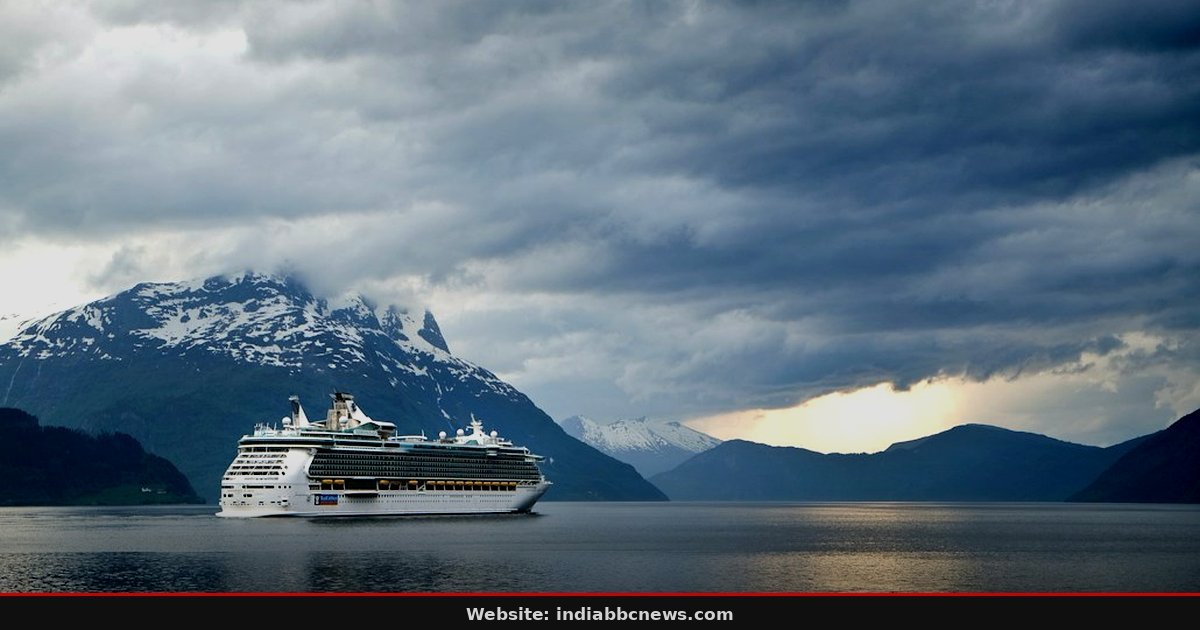
Luxury cruise passengers stranded in Cambodia due to soaring fuel costs The ship stopped. Not for repairs, not for weather, but because the fuel bill hit $8,000 a month per cabin, a price tag that bankrupted the dream overnight and left roughly 200 wealthy tourists stranded on the beach of Sihanoukville in Cambodia.
The $6,200-a-month hit that broke the budget
The numbers are brutal and they don’t lie. The operator, Villa Vie Residences, confirmed to journalists that monthly fuel costs in parts of Asia shot up from a manageable $1,800 to as much as $8,000, a spike that rendered their financial model obsolete within weeks of the Iran conflict intensifying. It is a shock that goes far beyond simple operational inconvenience. They tried to slow down the itinerary and stay in port longer to save money, but those cuts weren’t enough to offset the extraordinary rise in global fuel prices.
The company is now on a 60-day clock. They are attempting a “restructuring and recapitalization,” though officials admitted plainly that no outcome is assured. It’s a gamble that has left passengers with no clear exit strategy. The operator said it would work on “temporary living arrangements,” a phrase that sounds bureaucratic but feels deeply personal when you are stuck in a foreign country with a pet and a prepaid premium lifestyle.
Stranded in a city known for something else entirely
Sihanoukville is not the typical destination for a luxury circumnavigation. The once sleepy beach town has gained a grim global reputation as a hub for scam centres. It’s a stark contrast to the curated elegance of the ship’s pickleball court and multiple restaurants. Holly Hennessey, one of the passengers, told the BBC she was “just waiting” in a hotel room, her cat, Captain, sitting on the bed next to her.
She wasn’t expecting this. “It was not on my bingo card of places where I’d be spending a lot of time,” she said.
The dislocation is visible in the way the group fragmented upon disembarkation. There is no single sanctuary for the 200 stranded residents. Some are in one hotel, others in another, all disconnected from the community they paid up to $440,000 for. The ship, which departed Belfast in October 2024 for a 3.5-year trip across nearly 150 countries, is now a stationary object in a Cambodian port. The reality of being stuck in a place often associated with digital fraud is a jarring footnote to a high-end retirement plan.
Passengers find themselves in flux
Hennessey’s experience highlights the awkward limbo of the situation. She decided to stay in Cambodia rather than fly home or find land-based travel. “Until they say we are done – done done – I am not giving up,” she explained. The thought of abandoning the maritime lifestyle felt “trite” to her, despite the vessel being effectively dead in the water. She is holding out hope that the ship will eventually restart its engines, but that hope is fragile.
Not everyone is as patient. Some residents have already chosen to disembark and find their own way out of the situation. The company had previously asked its residents to consider paying a fuel surcharge as prices soared, asking them to share the burden. That request, combined with a “severely curtailed” itinerary, eroded trust among the customer base.
It’s a hard sell when you are asking people to pay thousands more for a product that is rapidly becoming unusable. The tension between the company’s need to survive and the passengers’ right to the service they paid for is palpable.
The economics of a luxury floatel
The ship offers cabins that are permanent residences, priced between $120,000 and $440,000. These are not standard cruise berths; they are homes on the water, equipped with full living spaces. The business model relies on these high upfront costs to subsidize the ongoing operational expenses of the voyage. When fuel costs triple, the subsidy model collapses. The company also rents cabins for as little as $3,500 a month, adding another layer of complexity to the financial restructuring they are now attempting.
The market for this specific type of product is small but vocal. Last year, the company launched a lifetime residence program for retirees who wanted to spend their final years at sea. In 2024, days after Donald Trump won his second term, the CEO announced a four-year “Skip Forward” package, marketing it to those who felt alienated by the political climate. That political marketing, while bold, did not protect the company from the geopolitical realities of the energy market. The math doesn’t quite work out when the price of diesel in the Strait of Hormuz dictates the fate of a retirement plan.
A troubled start and a now-halted journey
The voyage did not begin smoothly. Passengers were stranded in Belfast for months while the ship underwent repairs, a delay that cost the company millions in penalties and reputation. That early set-back was a sign that the operation was shaky, but nothing could have prepared the passengers for the scale of the current crisis. The ship was over 750 days into its journey when the suspension was announced on Tuesday. It is a long time to invest in a dream before it is cut short by a fuel invoice.
The incident is not in isolation; it is part of a broader trend of vulnerability in the global shipping industry. High fuel prices are squeezing margins across the sector, but for a niche, high-end operator, the lack of scale makes them particularly fragile. The operator’s admission that passing the full increase on to residents is “not a realistic solution” suggests they considered the option and rejected it, knowing it would bankrupt their customer base. Now they are left to restructure their own balance sheet. The stakes are personal for the 200 people currently checking into hotels in Cambodia.
Frequently Asked Questions
How many passengers are stranded in Cambodia?
There are reportedly around 200 passengers currently on board or recently disembarked. The vessel has a maximum capacity of 650, but the operator has not released exact current occupancy figures, making it difficult to verify the precise number of affected individuals. Most are staying in separate local hotels while awaiting further instructions.
When will the ship resume its voyage?
The company has announced a 60-day period for restructuring and recapitalization. No definitive return-to-service date has been given. Officials emphasized that the outcome is not assured, meaning the voyage could be permanently cancelled or significantly altered depending on how the financial restructuring goes.
Why did fuel costs increase so dramatically?
Global fuel prices have soared since the Iran conflict started earlier this year. The operator stated that monthly costs per cabin in Asia rose from $1,800 to $8,000. This specific spike in the region where the ship is currently located made continued operation financially impossible for the company.
Can passengers get refunds for their cabin purchases?
The provided text does not confirm any refund policy for the permanent cabin sales. The company is focused on “temporary living arrangements” and restructuring rather than immediate financial redress. Passengers who bought cabins for up to $440,000 are currently in an uncertain legal and financial position regarding their investment.
Source: BBC Business
This article was compiled by the IndiaBBCNews editorial system from verified international news sources. Facts have been independently reviewed. Original reporting: BBC Business.

