

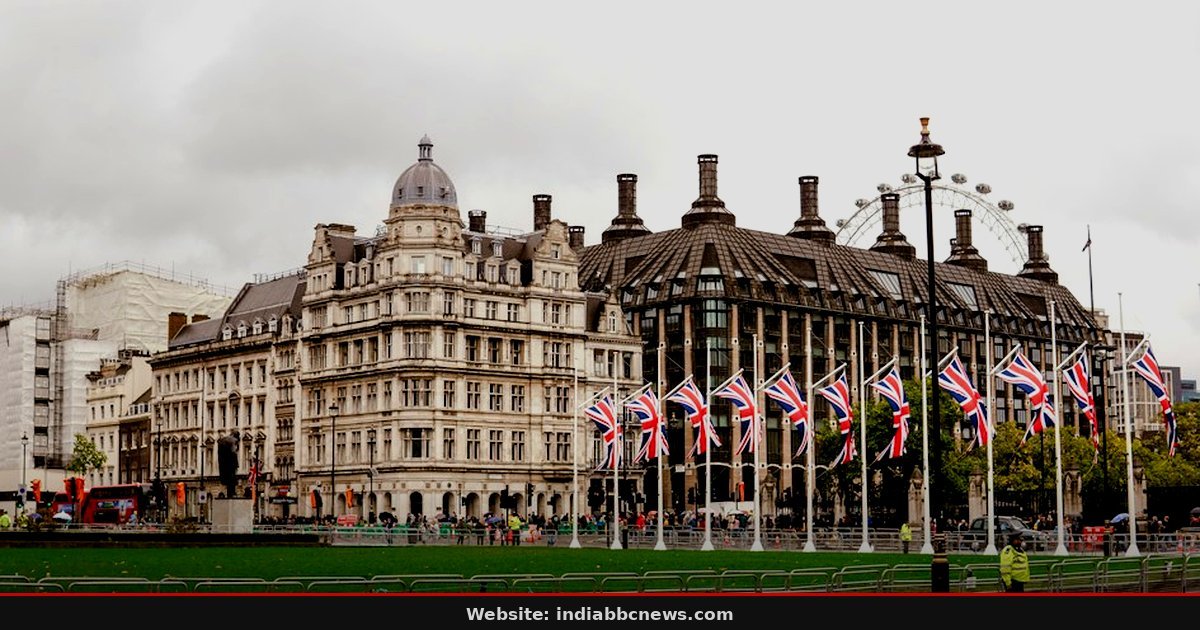
John Healey stood at the dispatch box on Wednesday, flanked by a silence that felt heavier than the 150-page Red Book lying open before him. The budget was here. It was a flotilla of small measures rather than a single, thundering wave that was supposed to reshape the economy overnight. Westminster is already poring over the Economic and Fiscal Outlook published by the Office for Budget Responsibility, the OBR, looking for the hidden traps in the fine print that will define the next few years of economic policy.
There are 98 distinct measures in total, a number considerably higher than in either of Rachel Reeves’ previous budgets, which tells you everything about the level of detail the Treasury feels forced to operate at right now. But nearly all of them are pretty small in terms of their actual impact on the Treasury’s spreadsheets and the bottom line for the average voter.
The 98-Measure Flotilla That Hinted at Bigger Problems
The sheer volume was there, undeniable. Ministers spent weeks preparing for this address, knowing that the public expects change, even if they don’t know what shape it should take. They wanted to show range, not just depth. It’s a classic political maneuver: throw enough darts at the board that at least a few will stick and look impressive to the casual observer watching from the pub.
The 98 measures cover everything from minor tax adjustments to targeted support for specific industries, creating a tapestry of policy that is difficult to critique in its entirety because it is so fragmented. Nobody in the room looked convinced by the grand narrative of transformation, but they respected the effort to find a foothold in the fog.
So why so many? Because the big levers are locked. The government promised no increases to income tax, national insurance, or VAT, the three pillars of revenue generation, and now they are paying for that promise in creativity and friction. It’s a constraint that stinks.
You can’t move the big rocks, so you spend hours arranging pebbles, hoping the garden looks nicer when you step back. The irritation among those who compiled this budget is palpable, directed at commentators who warned there would be nothing to see, a warning that was arguably onto something as well given the scale of the financial hole they are trying to plug. It’s a delicate balancing act between doing something and doing anything.
Taxing the Comfortable: Banks, Landlords, and Savers
The targets were clear. If you can’t raise the basic rate for everyone, you go after the pockets of those with more to hide, or at least that’s the narrative the chancellor leaned on. Banks, landlords, and gamblers are now in the crosshairs, a political choice that carries a specific kind of risk. It’s easier to take from the rich on paper than from the working stiff, but only if you don’t trigger a backlash that spills over into the mainstream.
We’ve seen this movie before, remember? When Rachel Reeves tinkered with inheritance tax, the farmers and the rural electorate erupted in a fury that shook the government’s confidence for months. The math doesn’t quite work out if the anger outweighs the revenue gained.
And yet, here it is again. A tax on wealth that feels invisible to the people who have it, but loud and clear to the media and the opposition parties who will dissect every single line item for the next 6 months. The political risk is real. You pick a sector, and that sector responds.
Think of the noise from the agri-business lobby last year, a roar that drowned out the policy details for weeks on end. Healey bet that by spreading the pain across several groups that the general public has little sympathy for, the volume would stay low enough to let the support measures do their work. It’s a gamble. A quieter gamble, certainly, but a gamble nonetheless.
The OBR’s Bleak Warning Amidst Middle East Chaos
The context is brutal. The Office for Budget Responsibility did not mince its words, though they cloaked them in the usual bureaucratic understatement that makes them even colder to read. “The UK’s economic and fiscal position remains very challenging,” the report said, adding that there have been further adverse developments this year, largely driven by the ongoing conflict in the Middle East. It’s a standard phrase now, isn’t it?
But the weight behind it is different. The global economy is fraying at the edges, and the UK is anchored to a ship that is taking on water faster than the pumps can keep up with the rising tide. We are sailing into a storm with the sails cut.
What happens next? Frankly, who on earth knows? The OBR’s forecast is a spread of possibilities, with significantly better or worse outcomes sitting at roughly equal probability, a statistical shrug that does little to comfort a household struggling at the supermarket. The Budget book argues the economy is showing signs of resilience, a phrase that feels increasingly like a platitude when you look at the national debt, tax burden, inflation, and interest rates, all of which are high, going up, or both.
It’s a recipe for anxiety. The shock in the Middle East, combined with the unknowns of the American midterm elections and the Israeli general election, creates a backdrop of volatility that no domestic policy can easily dampen down. We are holding our breath.
Small Measures as Political Life Rafts
The strategy is mitigation. You can’t fix the ship, so you bail water. It’s a noble aim, arguably, but it comes with little political upside because it doesn’t change the underlying trajectory. The chancellor is constrained in his capacity to act, and his ability to make a noticeable positive difference is perhaps even more constrained by the sheer cost of intervention.
Any move, even an expensive one, may merely make a grim situation a bit less bad, rather than making things actually feel better to the person paying their energy bill. It’s a hard sell. You are asking people to be grateful for a smaller cut of a shrinking pie. The fleet of smaller measures gives MPs something to try to sell door-to-door, a tangible token to wave in front of a skeptical voter.
They are not world-changing. No one in the Treasury claims they are. But they are the tools available when the hammer is too big for the nail. The government is acknowledging, implicitly, that they are in damage control mode, patching the hull while the engine sputters.
It’s a defensive posture. The hope is that the cumulative effect of 98 small kindnesses will outweigh the sting of 98 small bites from the pocket. That is a long shot. But it’s the only shot they have right now, and they are firing it with every nerve they have.
The MPs will head home and try to explain this to their constituents, and the battle is really just beginning. The reaction from across the aisle was swift and unified in its disappointment. The opposition parties, from the far left to the libertarian right, all arrived at the same conclusion: this budget was thin. It lacked the punch, the narrative, the sense of direction that a country in crisis needs to hear. They framed it as a lack of courage, a failure of vision.
Opposition Critique and the “Mr Sensible” Label
It’s a standard attack, one that has become the default response to any government that doesn’t deliver a revolutionary shake-up. But there is a kernel of truth in their critique. The jigsaw puzzle of policy is emerging, but the picture is blurry, and the time is running out to get it into shape before the next crisis hits. The opposition knows this.
They are waiting for the slip-up. A critical friend of the government, speaking on condition of anonymity as is usual in these corridors, offered a different label. They called it a “Mr Sensible Budget,” a phrase that cut to the heart of the mandate. The hope and expectation was that it would be shorn of bells and whistles, which are easy to promise and hard to deliver, and more importantly, shorn of timebombs, which are catastrophic once they go off. It’s a pragmatic label for a pragmatic, if uninspiring, document.
The government counters that this is just one piece in the emerging jigsaw of detail from the new-ish prime minister and his chancellor, with plans to help young people into work and cut benefits before Christmas. It’s a long game. Let’s see if they have the stamina to win it.
Frequently Asked Questions
Why did the chancellor avoid raising income tax?
Because the Labour manifesto promised not to raise income tax, national insurance, or VAT, and breaking that promise before the first major election cycle would have been political suicide. The Treasury had to find revenue elsewhere, leading to the focus on sectors like banking and property. It was a constraint, not a choice of preference.
What does the OBR mean by “uncertain outlook”?
It means that the probability of the economy getting significantly better is roughly the same as it getting significantly worse, driven by global shocks like the Middle East conflict. There is no central path to follow, only a range of possible outcomes. It is a warning to manage expectations.
Who pays the most under these new measures?
Banks, high-income savers, and landlords are the primary targets, with specific tax adjustments aimed at their assets and income streams. The policy targets groups the government believes have greater capacity to absorb the cost. It is a calculated political risk.
Is this budget enough to fix the cost of living?
Most economists say no, as the measures are too small to offset the underlying inflationary pressures and wage stagnation. The support is targeted, but it is not a comprehensive solution. The government hopes it will provide some relief, but the structural issues remain unresolved.
Source: BBC Politics
This article was compiled by the IndiaBBCNews editorial system from verified international news sources. Facts have been independently reviewed. Original reporting: BBC Politics.

