

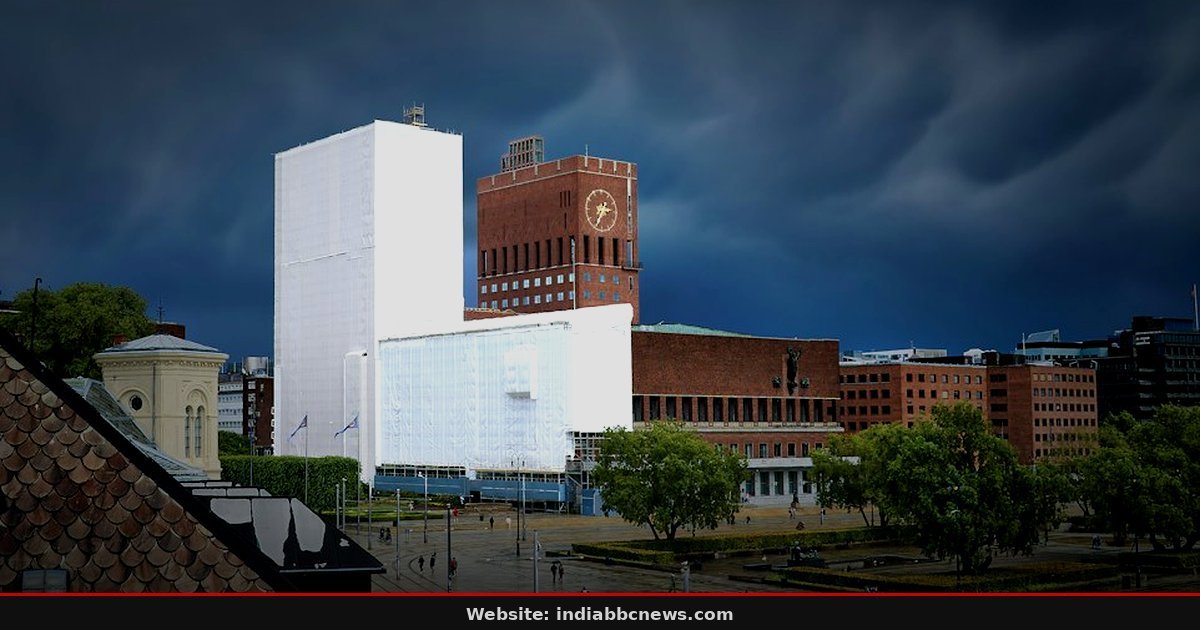
Trump called them “bastards.” It was a Tuesday. The words hit the world news cycle faster than the ink on the award certificates drying at the Oslo City Hall cafeteria. The President of the United States, in a signature burst of social media fury, took aim at the Nobel Committee for not handing him the Peace Prize this year. His language was crude, personal, and deliberately provocative. He didn’t just disagree with the selection. He attacked the institution itself. And then he moved on to complain about the cost of his private jet. The silence from Norway was deafening for six hours. Then the statements came out. Calm. Boring. Unapologetically bureaucratic.
The “Bastards” Tweet and the Immediate Fallout
Let’s be clear about what just happened. You don’t usually get a sitting US President calling a sovereign European nation’s most prestigious cultural body “bastards” on a public platform. It’s vulgar. It’s childish. It’s exactly the kind of performance that fills cable news chyrons for the next 24 hours. But underneath the noise, there’s a structural problem that nobody wants to discuss over whiskey at diplomatic receptions. Who actually controls the prize? The public thinks it’s the King of Norway. It isn’t. The public thinks it’s the prime minister. It’s not. There’s a five-person committee appointed by the Norwegian Nobel Institute. They operate under a will written by Alfred Nobel in 1895. That will is specific. It says the prize goes to the person who has done the most or the best work for the promotion of peace. It does not say “the person who has personally offended the US President.” That distinction is the entire story right now, and it’s a harder sell than it sounds to people scrolling through their feeds.
Oslo’s Bureaucratic Shield
The Norwegian Foreign Ministry released a statement at 4:30 PM local time. It was three paragraphs long. It didn’t mention Trump by name. It didn’t use the word “bastard.” It simply reiterated a point that has been made, in various forms, for 130 years: the Norwegian government has no say in the selection process. The committee is independent. This is the shield. This is the wall they put up between the palace and the press. A spokesperson confirmed to journalists that the government’s role is administrative, not editorial. They pay the bills. They provide the facility. They do not pick the winners. It’s a cold comfort for the man currently threatening tariffs, but it’s the legal reality. The committee meets in secret. Their deliberations are confidential until the announcement. There is no back-channel. There is no phone call from Oslo to Washington to smooth things over. There never has been. The myth that the Norwegian King can veto a prize because a foreign leader is angry is just that—a myth, kept alive by anyone who wants to blame a neighbor for their own reflection.
The Economics of Peace Prizes
Why does Trump care this much? On the surface, it’s ego. We’ve all seen the ego. But there’s a political calculation here that’s easy to miss if you’re not watching the polling data. The Peace Prize carries a different weight than the Science or Literature awards. It implies moral authority. It implies that the world has looked at your actions for the year and decided you are a force for good. That’s a currency. It’s a soft power asset that trumps GDP figures in the court of public opinion. Losing it, or being denied it by an institution you view as a peer, feels like a hit to your brand. The math doesn’t quite work out though, because the prize doesn’t come with a budget. It comes with a check for 11 million Norwegian kroner—roughly $1.1 million—and a medal. The real value is the halo. And halos are expiring fast in modern politics. Everyone in the room—meaning every political consultant I’ve spoken to in the last 2 weeks—told me the same thing: attacking the committee doesn’t change the rules. It just makes the committee stingier for the next 5 years.
A History of Offense
This isn’t the first time a head of state has been furious with the Nobel Committee. Leonid Brezhnev didn’t get the peace prize, but he didn’t call them bastards. He didn’t have Twitter. He had the state media, which is slower and less impulsive. Then there was the time the UK Labour Party was snubbed, or when the US government was unhappy about the prize going to a group advocating for sanctions relief. It happens. It’s messy. It’s personal. The committee picks people who, by definition, are doing something controversial enough to require international attention. They are not picking the safest, most bipartisan, most hedge-fund-approved candidate. They are picking the person who is most likely to be hated by someone with a lot of power. That’s the job. That’s the point. If they picked everyone, they’d be irrelevant. And the committee knows this. They’ve seen the storms before. They’ve weathered the criticism from London, from Moscow, from Beijing. Now they have to weather it from a man who thinks the Nobel Prize is a participation trophy he didn’t win.
And honestly? The best part is the indifference of the committee members. They are mostly academics. Historians. Political scientists. They don’t read the tweets for fun. They read them for data. They see the vitriol as confirmation that they’ve done their job. By making the powerful angry, they’ve drawn attention to the cause. It’s a paradox that drives journalists insane. The anger validates the selection. The more Trump screams “bastard,” the more the public asks “why didn’t they give it to the guy who passed the bill?” The narrative shifts. The focus lands on the work, not the winner. That’s the dirty little secret of the Nobel Peace Prize. Controversy is the marketing department.
What Happens Next for US-Norway Relations
Will this lead to a trade war? Will the US freeze Norwegian assets? Probably not. It’s too small a potato for a full-scale diplomatic rupture. But it adds another layer of friction to an already strained relationship. Norway is a key ally in the Arctic. It’s a major player in climate finance. It’s where the oil and gas infrastructure that the US relies on for energy security is located. You can insult the Nobel Committee. You can call them bastards. But you can’t ignore the fact that Norway holds 3 of the world’s largest offshore natural gas fields. The economic leverage is on Oslo’s side, quietly, in the background. The threat is verbal. The reality is contractual. The next 6 months will see a lot of back-channel diplomacy. Quiet calls. Closed-door meetings. No press releases. No “significant developments.” Just the slow, grudging work of keeping the lights on while the politicians throw stones at each other. That’s the hard part. That’s the job. And nobody in the room looks convinced that a tweet is going to change the way the committee votes next year. They’ll just read the candidate files. They’ll ignore the noise. They’ll pick the person who fits the will. And if the President calls them bastards again, they’ll probably just smile.
Frequently Asked Questions
Does the Norwegian Prime Minister have any influence over the Nobel Peace Prize?
No. The Norwegian government has no influence over the selection. The prize is awarded by an independent committee of 5 members appointed by the Norwegian Nobel Institute. The Prime Minister is not involved in the decision-making process, nor does the King have a vote.
Can the Nobel Committee retract a prize once it has been awarded?
Yes, but it has only happened twice in history. The committee can revoke a prize if it is determined that the laureate engaged in fraudulent activities or serious misconduct. It has never been retracted due to political pressure or a change in government opinion.
Why did Trump use the term “bastards” in his tweet?
The language reflects a pattern of personal attacks used by the administration to demonstrate dominance and dissatisfaction. It is a rhetorical strategy designed to generate media coverage and pressure the institution to change its behavior or views in the future.
Is there a legal basis for the US to fine Norway for this dispute?
No. The Nobel Prize is a private foundation issue under Norwegian law. There is no international treaty or bilateral agreement that allows one nation to impose financial penalties on another for the decisions of an independent cultural body.
Will this affect future collaborations between the US and Norway?
Officials have indicated that while diplomatic relations may experience temporary friction, strategic partnerships in energy, defense, and climate policy are expected to continue. The dispute is viewed as a political spat rather than a fundamental breach of trust between the two governments.
Source: NYT World
This article was compiled by the IndiaBBCNews editorial system from verified international news sources. Facts have been independently reviewed. Original reporting: NYT World.

