

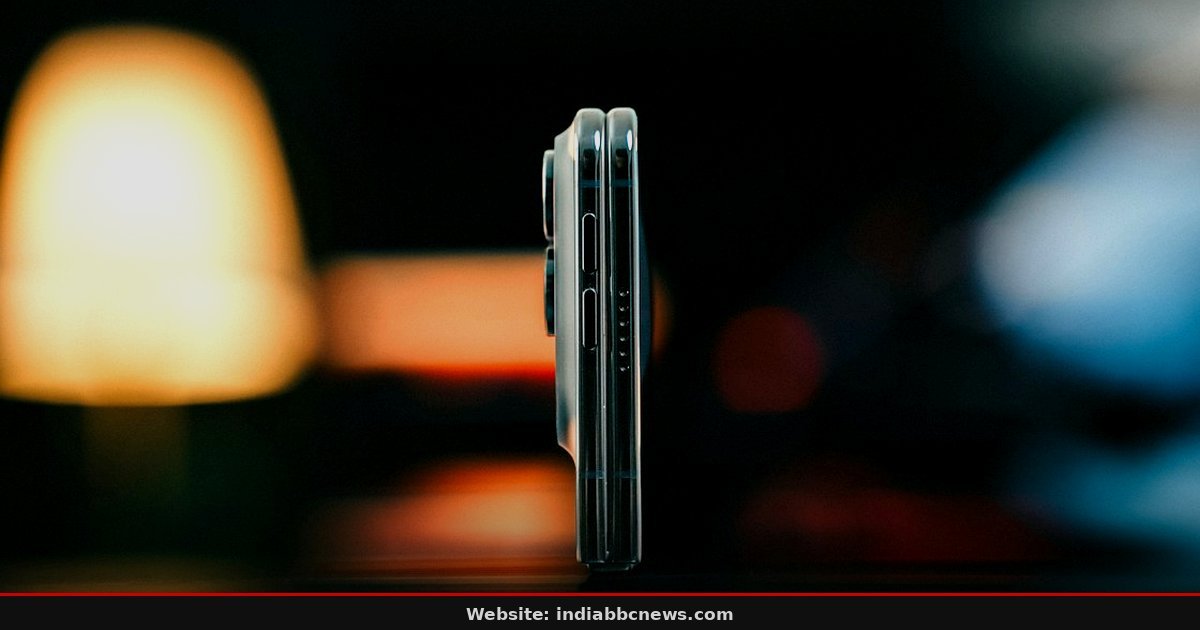
Audible crack. That was the sound.
It wasn’t a subtle pop, not the gentle slide of a hinge settling into place, but a sharp, violent snap that echoed through the small apartment where one user watched their $1,700 investment die in seconds. The iPhone Duo, Apple’s first major foray into foldables, launched with the kind of hype that only the Cupertino machine can generate, yet within days, a wave of horror stories began flooding the subreddit and Twitter. The glitch is specific. The screen doesn’t just shatter randomly. It breaks in the exact same spot, right along the inner fold, every single time. For early adopters, the feeling is less like ownership and more like they are holding a live grenade that ticks too fast.
The problem isn’t software. You can’t update a physical fracture. It’s mechanical, and it’s ugly. Reports from the community suggest these devices are failing not after months of wear and tear, but within hours of unboxing. Some owners say the phone was barely out of the box before the hinge caught on something — a micro-imperfection, perhaps, or just bad luck — and the entire assembly gave way. It’s a disaster for Apple, a brand that has spent two decades selling the idea that its hardware is essentially indestructible. Now, the internet is filled with slow-motion videos of the breakage, and the comment sections are not kind. Nobody in the room — well, nobody online — looked convinced after the latest batch of failures.
The Notch That Snapped
So what is actually happening inside that slab of glass and steel? YouTuber CuriousHagi, a channel known for durability testing and teardowns of bleeding-edge tech, decided to stop speculating and start cutting. He took an iPhone Duo, subjected it to the same stress tests that real users do, and watched it fail. The result was a cracked screen, identical to the ones in the viral videos. But the real story is in the pieces he pried apart.
The hinge mechanism on the Duo is more complex than it looks from the outside. It’s not just a simple fold; it’s a system of a gear-like central hinge flanked by two different types of linking hinges. Hagi’s dissection revealed a specific weakness in the middle link. This particular piece is thinner than the links directly above or below it. And worse, it has a tiny notch — a manufacturing artifact or a design flaw, it’s hard to say — where the metal is at its weakest. That’s where the snap happened. Every time.
It’s a brutal irony, isn’t it? For a product costing more than a Tesla Model 3, the failure point looks like something you’d find in a cheap plastic toy from a gas station. Hagi also found scuff marks where the hinge met the support plate, suggesting that if the parts aren’t perfectly aligned, the friction builds up until the metal simply gives up. The math doesn’t quite work out when you consider the precision Apple claims to have. A laser-cuts this close should be flawless, but in the wild, tolerances matter, and tolerances can be tight at the edge of failure.
A Sea of Broken Glass
The social media reaction has been swift and scathing. The r/iPhoneDuo subreddit is a graveyard of photos showing cracked displays. Users are describing the sound as a “gunshot” or a “crack like a bone snapping.” One user posted a photo of their device with the screen split down the middle, the inner display completely destroyed. They’d had it for 4 days. That’s the kind of number that makes you wince. Why would a $1,700 phone fail so quickly? It defies the logic of quality control. If this is a widespread defect, the return rate could be catastrophic for Q4 earnings.
Apple hasn’t issued a formal statement admitting fault, which is its standard posture. But the silence is deafening in the face of such consistent evidence. Previous foldables from Samsung or Huawei had their share of hinge issues, but those were often about the durability of the crease over years, not an immediate structural failure in the first week. This is different. This is a manufacturing crisis happening in real-time. And the timing couldn’t be worse, just as Apple tries to position the Duo as the definitive premium smartphone of 2026.
What Comes Next
With the first batch of units reportedly still in transit to retailers, the next 48 hours are critical. Will Apple push a software update to restrict the angle of the fold, effectively limiting how much the phone can open to prevent the hinge from reaching the stressed position? That’s a longer shot, but it’s not impossible. Or will they open repair centers to take the hits? One thing is clear: the narrative of “foldables are now dead” is being rewritten. The tech community is watching closely, waiting to see if Apple treats this as an isolated hardware glitch or a systemic design error. The wait is anxious, and the glass is already broken.
Frequently Asked Questions
Is the iPhone Duo hinge repairable?
At this stage, the repair manual suggests that replacing the entire mid-frame assembly is necessary if the hinge components are damaged. Given the integration of the display and the hinge, a simple fix isn’t likely. Apple Support will likely require a full screen and hinge replacement, which will be a significant cost if your device is still under warranty, and a nightmare if it isn’t.
Should I return my iPhone Duo immediately?
If your phone exhibits any sticking or unusual noises when folding, yes. The failure mode described by CuriousHagi and documented by users is structural. Once the notch in the hinge link snaps, the damage is permanent and usually cascades to the display. Checking your device for these early signs might save you the cost of a replacement outside of warranty.
Source: The Verge
This article was compiled by the IndiaBBCNews editorial system from verified international news sources. Facts have been independently reviewed. Original reporting: The Verge.

