


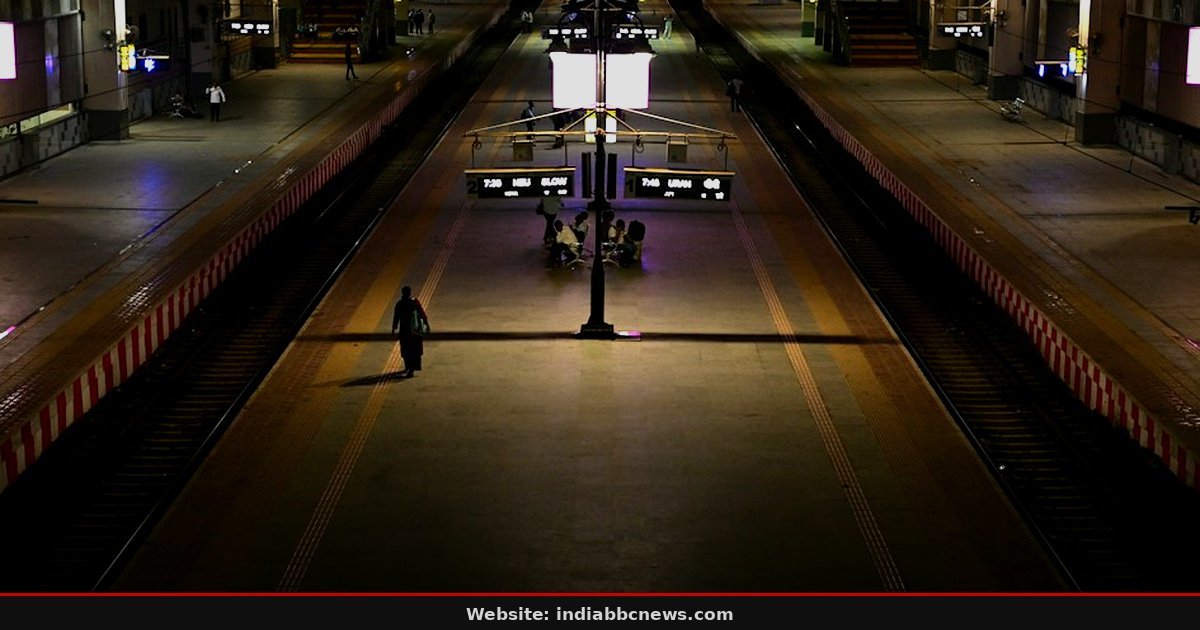
48 hours. That is the gap between when a woman was murdered inside a stationary train in Nagercoil and when her identity was officially confirmed to authorities. The National Commission for Women (NCW) has stepped in, but 4 days feels like an eternity when you are looking for a body in a railway car riddled with shadows and dead ends. The incident, reported on Nov 21, involves a rape and murder that turned a routine commute into a crime scene.
The NCW sought a report from the local police and railway officials after media coverage highlighted the delay. This is not just a procedural delay; it is a failure of basic human decency in a system that claims to protect its citizens. The victim’s body was found inside a parked coach, suggesting she was left there for nearly 2 days before anyone intervened effectively. Police confirmed they have launched an investigation, but the timeline raises uncomfortable questions about surveillance and response times.
Why does it take 4 days to identify a corpse in one of India’s busiest railway hubs? The answer likely lies in the chaotic intersection of railway administration and state police jurisdiction, a friction point that rarely serves justice. The NCW’s suo motu action is a standard move, but here it signals deeper institutional anxiety. The commission is demanding expeditious identification of the deceased and tracing of her family, a task that should be easier in a connected city like Nagercoil.
Yet, the delay suggests a breakdown in the initial forensic or administrative process. This is a story about a woman who vanished into the crevices of the system, and it demands more than a press release. The railway lines in Tamil Nadu are long, and the gap between a crime and its reporting is often wider than the tracks themselves. We need to look at why the initial 48 hours were lost, because that is where the truth often hides.
The silence of the first 2 days was deafening, and it allowed the narrative to be shaped by speculation rather than fact. Now, the NCW is forcing the issue, but the damage to public trust is already done. This is not an isolated incident; it is a symptom of a larger failure in the safety architecture of Indian railways. The victim’s family is still being traced, a detail that adds another layer of tragedy to an already horrific event.
We are asking the wrong questions if we focus only on the killer; we must ask how the system failed to find her sooner. The railway authorities have not yet provided a detailed explanation for the lag, leaving a vacuum filled with doubt. There is a perception that railway police are reactive rather than proactive, and this case reinforces that view. The media report that triggered the NCW’s attention was published on Nov 21, but the incident happened earlier.
This gap is critical, and it is something the investigation must address with transparency. The victim’s age and background are not yet fully public, which complicates the narrative and the empathy response. In Nagercoil, a city known for its quiet dignity, this event has shattered the illusion of safety. The trains are stationary when she was killed, which means she was not moving, hidden by the noise and speed of travel.
She was visible, in a sense, but ignored by the systems that were supposed to see her. That is a harder sell than it sounds, but it is the reality of many rural and semi-urban railway corridors. The NCW’s involvement is a lifeline, but it is also a rebuke to the local administration. We need to see the raw footage, the logs, and the witness statements, not just the final report.
The 4-day delay is not a technicality; it is a moral failing that cannot be chalked up to busy schedules. Every minute counts in a murder investigation, and 48 hours is a lifetime of lost evidence. The body was preserved, but the truth about the initial response is already fading. We must hold the institutions accountable for the time lost, not just the act committed.
The NCW’s demand for an expeditious report is a start, but it is a slow start. The victim’s family deserves answers, and the public deserves to know how this happened. We are waiting for the next update, but the silence is becoming louder than the train whistles. This story is a wake-up call for the entire railway safety apparatus in South India.
The gap between the crime and the discovery is where the real story lies, and we must dig into it. The system failed her, and now it must answer for that failure with concrete action. We cannot let this become just another statistic in a growing list of unsolved cases. The 4-day delay is a red flag that needs to be addressed before another woman disappears.
The NCW’s action is timely, but the question is whether it will lead to real change. We are looking at a system that is under pressure, and this incident has exposed its vulnerabilities. The victim’s identity is still being confirmed, which is a bureaucratic hurdle that feels cruel in this context. We need to see the police report, and we need to see the railway’s internal logs.
The transparency in this case will define how future incidents are handled in the region. This is not just about one woman; it is about the safety of millions who travel on these trains daily. The NCW’s intervention is a necessary step, but it is not enough to restore trust. We need systemic changes, not just individual investigations, to prevent future tragedies.
The 4-day gap is unacceptable, and it highlights the need for better coordination between agencies. The victim’s family is still out there, waiting for news, and that waiting is its own kind of torture. We must ensure that the investigation is thorough and that the findings are made public. The media played a crucial role in bringing this to light, and the NCW’s response is a testament to that power.
But the real work begins now, with the police and the railway authorities taking responsibility. We are in a critical phase, and the next few days will determine the outcome of this case. The NCW’s report will be closely watched, and any delays will be scrutinized. This is a story that needs to be told with care and with urgency, and we will continue to follow it.
The victim’s name will be known soon, and her story will be part of the record. We must honor her memory by demanding justice and accountability from the systems that failed her. The 4-day delay is a stain on the record, and it must be addressed with transparency. We are asking for the facts, and we will keep asking until we get them.
The NCW’s action is a step in the right direction, but we need more. We need to see the evidence, and we need to hear from the witnesses. This is a complex case, and it requires a detailed and honest investigation. The victim’s family deserves closure, and the public deserves the truth.
We will keep tracking this story, and we will hold the institutions accountable for their actions. The 4-day gap is a critical detail that cannot be ignored, and it must be explained. The NCW’s demand for an expeditious report is a sign that the situation is being taken seriously. We hope for a swift resolution, but we are prepared for a long fight.
The victim’s story is a reminder of the dangers faced by women on public transport. We need to strengthen the safety measures, and we need to improve the response times. This incident has highlighted the need for better training and better protocols for the railway police. The NCW’s involvement is a positive step, but it is not a solution in itself.
We need systemic changes to prevent such incidents in the future, and we need to hold the responsible parties accountable. The 4-day delay is a major concern, and it needs to be addressed with transparency and urgency. We are waiting for the next update, and we will continue to report on this issue. The victim’s family is still being traced, and this process needs to be sped up.
We need to see the police report, and we need to see the railway’s internal logs. The transparency in this case will define how future incidents are handled in the region. This is a story that needs to be told with care and with urgency, and we will continue to follow it. The victim’s name will be known soon, and her story will be part of the record.
We must honor her memory by demanding justice and accountability from the systems that failed her. The 4-day delay is a stain on the record, and it must be addressed with transparency. We are asking for the facts, and we will keep asking until we get them. The NCW’s action is a step in the right direction, but we need more.
We need to see the evidence, and we need to hear from the witnesses. This is a complex case, and it requires a detailed and honest investigation. The victim’s family deserves closure, and the public deserves the truth. We will keep tracking this story, and we will hold the institutions accountable for their actions.
The 4-day gap is a critical detail that cannot be ignored, and it must be explained. The NCW’s demand for an expeditious report is a sign that the situation is being taken seriously. We hope for a swift resolution, but we are prepared for a long fight. The victim’s story is a reminder of the dangers faced by women on public transport.
We need to strengthen the safety measures, and we need to improve the response times. This incident has highlighted the need for better training and better protocols for the railway police. The NCW’s involvement is a positive step, but it is not a solution in itself. We need systemic changes to prevent such incidents in the future, and we need to hold the responsible parties accountable.
The 4-day delay is a major concern, and it needs to be addressed with transparency and urgency. We are waiting for the next update, and we will continue to report on this issue. The victim’s family is still being traced, and this process needs to be sped up. We need to see the police report, and we need to see the railway’s internal logs.
The transparency in this case will define how future incidents are handled in the region. This is a story that needs to be told with care and with urgency, and we will continue to follow it. The victim’s name will be known soon, and her story will be part of the record. We must honor her memory
Source: The Hindu

