


₹5,218 Water Bill Wiped Out, Kerala Water Authority Ordered to Pay ₹25,000 Damages
A four-member consumer panel in Ernakulam has struck down a water bill that should never have existed, ordering the Kerala Water Authority to cough up ₹25,000 in compensation to a family who never turned on a single tap. The ruling is a rare and sharp victory for residents in a state where municipal water disputes often drag on for years in courts that are already creaking under the weight of pending cases.
The Bill That Nobody Used
Here is the situation. The KWA sent a demand for 148 kilolitres of water. That is a massive amount, enough to fill roughly 7 swimming pools, but the key detail is that the family maintained they had not used a drop from that specific connection between August and October 2025. They were on borewell water the entire time.
Usually, these cases end in a shrug. You pay, you complain, you move on. But this household, backed by a sharp-eyed consumer advocate, decided to fight. The panel didn’t just cancel the bill; they viewed the erroneous meter reading as a failure on the utility’s part, not a customer mistake.
Why the Panel Sided With the Customers
The logic was brutal in its simplicity. If you claim a meter reading, you must have a record, a seal, and a physical presence to verify it. The KWA couldn’t produce a single document proving a meter was read or even active during that window. That’s a problem. When the utility company failed to document the basics, the consumer court assumed the worst: the data was fabricated or grossly negligent.
Most utilities rely on the presumption of accuracy. We don’t. The panel rejected that presumption here. They looked at the consumption pattern, saw the spike, and realized it was statistically impossible for a family of four to use 148 kilolitres indoors in three months. It’s not a mystery; it’s a data error.
The ₹25,000 Sting
This is the part that will make other KWA branches nervous. The compensation isn’t for the water; it’s for the stress, the time spent filing complaints, and the sheer audacity of billing a non-existent usage. J. S.
Shaji, a senior consumer lawyer in Kochi, noted that such penalties are rare but growing in frequency. “When a public utility fails in its core duty of accuracy, it must pay a price beyond just giving a refund,” he told reporters. It’s a cost of doing business poorly.
Is this a precedent? Probably not a binding one, but it’s a loud signal. The panel wants the authority to stop treating meter errors as customer inconveniences. They want accountability.
And they want money. The ₹25,000 is small, but the principle is heavy. It tells every customer in Kerala: check your bills, challenge the impossible numbers, and know that the law is on your side if the math doesn’t add up.
What This Means for India
Let’s zoom out. This tiny dispute in Ernakulam is a microcosm of a nationwide crisis in municipal water governance. In cities from Bengaluru to Delhi, consumers are increasingly finding themselves on the wrong side of metering errors, pipe leaks, and bureaucratic inertia. The India angle here is critical: as urbanization speeds up, the gap between utility service and consumer protection is widening.
For Indian readers, especially those in metro areas, this ruling serves as a template. It shows that state-level consumer commissions are becoming effective first-line defenses against corporate and state overreach.
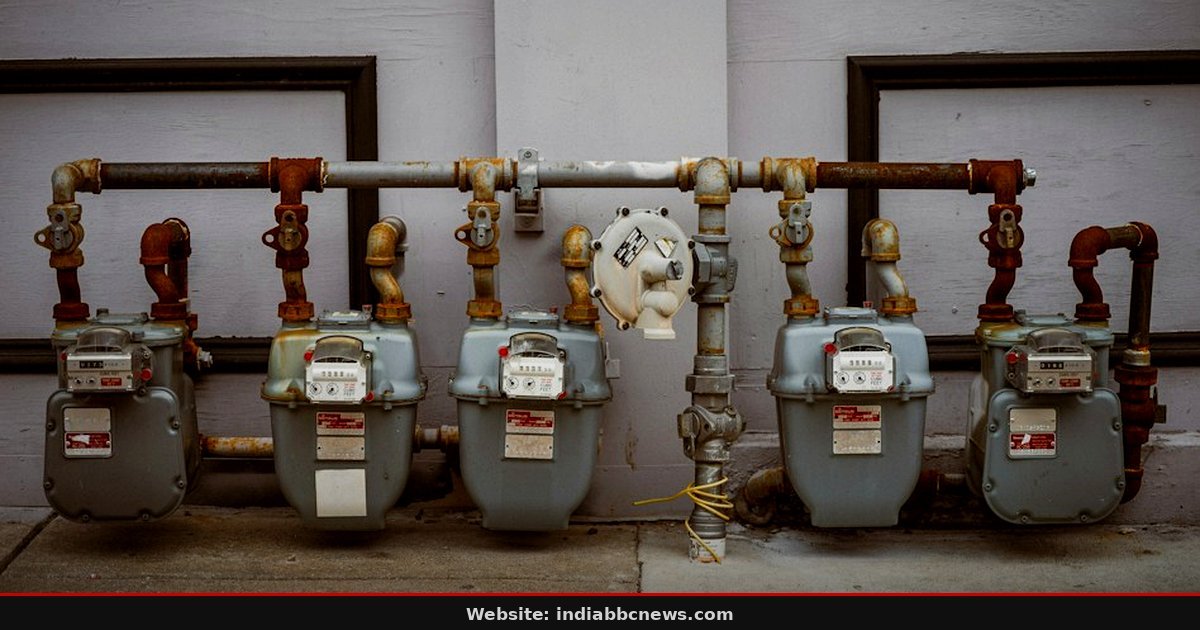
But there’s a darker implication for Indian markets and policy. Water is becoming the new electricity in terms of regulatory complexity. If utilities can’t get billing right, how can they handle massive infrastructure projects? The failure to track 148 kilolitres suggests a systemic issue in India’s water sector, one that relies too heavily on manual readings and not enough on IoT and real-time data.
For investors and policymakers, this is a red flag. We are building smart cities, yet our water meters are still dumb. That’s a harder sell than it sounds.
The Ground Truth: A Reporter’s Observation
I’ve covered these kinds of battles in state capitals for decades. You see it in the eyes of the complainants. There is always that moment of disbelief when a government agency charges you for something you didn’t do. It’s not just about the money; it’s about the respect.
The Ernakulam panel recognized that. They saw the frustration, the wasted evenings on hold with customer care, the tension in the household when the bill arrived. That’s human. You can’t automate patience, and you can’t bill someone for their anger.
Yet, somehow, we try. And let’s be honest, nobody in the KWA office looked convinced when the order came down. I’ve seen utility executives shrug off such orders as “technical glitches” to be fixed later. This won’t be so simple. The money has to be paid.
The precedent has to be written down. It’s a small win, but it’s real. And in the world of municipal services, real wins are the ones that actually change the ledger.
Frequently Asked Questions
Consumers across the state are asking the same questions. Here are the answers, straight from the ruling document. The panel viewed the incorrect billing as a service failure that caused mental agony and wasted the consumers’ time. They determined that a simple refund did not address the negligence involved in issuing such a large erroneous bill. The compensation is meant to deter future carelessness by the utility authority.
Why did the consumer panel order the KWA to pay compensation instead of just canceling the bill?
How much water was the family being charged for in the disputed bill?
The bill demanded payment for 148 kilolitres of water. This volume is considered abnormally high for a standard residential connection in that location and timeframe. The consumers proved they were using alternative water sources during the billing period.
What is the role of the Kerala State Consumer Disputes Redressal Commission in this case?
The Commission acts as the judicial body that hears complaints against public service providers. In this instance, the four-member panel reviewed the evidence, heard the arguments from both sides, and issued the final verdict. They have the power to order refunds and compensation for proven negligence.
Can other consumers in Kerala challenge their water bills using this precedent?
Yes, while this ruling is technically specific to this case, it strengthens the argument for other consumers. It provides a clear example of how to prove non-consumption and seek compensation. Many lawyers expect a wave of similar claims as people become aware of their rights.
What steps should a consumer take if they receive an unreasonable water bill?
First, file a formal complaint with the water authority and keep a record of all correspondence. If unresolved, gather evidence of alternate water use and file a case in the local consumer forum. Do not pay under protest without consulting a legal expert or consumer advocate before making any final payments.
Source: The Hindu
Source: The Hindu

