

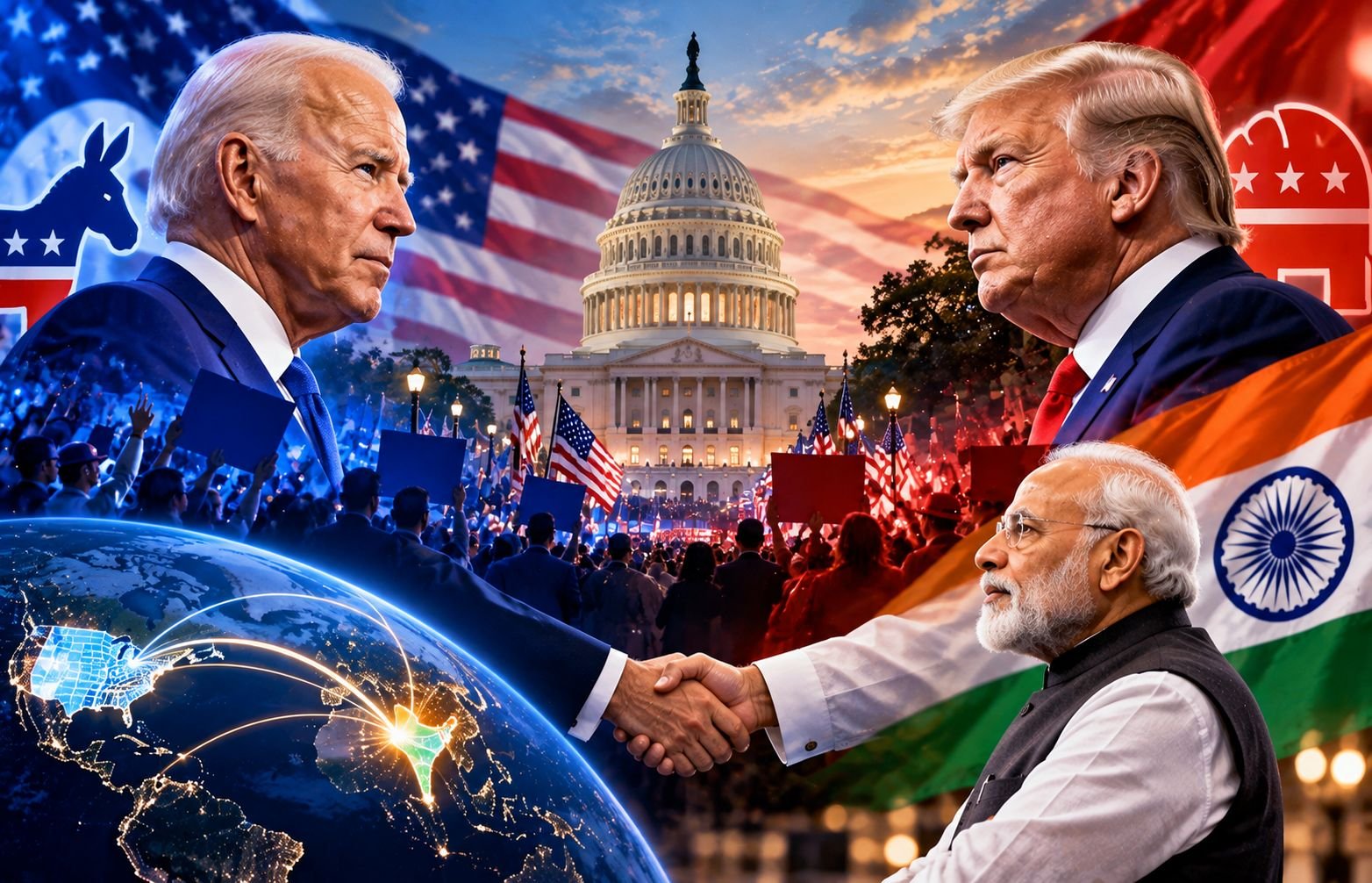
After years of stop-start negotiations, a trade deal between India and the United States finally looks like it might actually happen. External Affairs Minister S. Jaishankar said this week that both sides are “working hard” to close the remaining gaps, adding that there is real political will on both sides to get something done before the year is out.
That is not a guarantee — trade talks between India and the US have collapsed before, often at the very last minute over issues that seemed technical but turned out to be politically toxic at home. But people close to the talks say this time feels different.
What’s Holding Things Up?
The main sticking points have not changed much over the years. The US wants better market access for its agricultural products — particularly dairy, poultry and genetically modified crops. India has resisted this fiercely, partly because its farming sector supports hundreds of millions of people and partly because allowing American food imports would be politically catastrophic for any government in Delhi.
India, on its side, wants easier access for its IT services companies, fairer treatment of Indian professionals on work visas, and reduced tariffs on Indian textiles and pharmaceuticals entering the US market. Washington has moved slowly on all of these, partly because of domestic pressure from American labour unions and manufacturers.
Why Jaishankar Sounds Optimistic
Jaishankar’s comment was careful but deliberate. He did not promise a deal. He said both sides are “working hard to resolve key differences” — which in diplomatic language is a signal that the conversations are serious and ongoing, not just going through the motions.
Part of what’s changed is the strategic relationship between the two countries. Washington wants India as a counterbalance to China across Asia. That gives Delhi more leverage than it has ever had in trade talks with the US. India knows it, and so does Washington.
Prime Minister Modi and President Trump have also built a surprisingly warm personal relationship, which tends to help when things get stuck at the technical level. Phone calls between the two leaders have reportedly helped unblock negotiations at least twice in the past six months.
What a Deal Could Mean for India
An India-US trade agreement would be a big deal — literally and symbolically. Trade between the two countries already stands at over $190 billion a year, making the US India’s largest trading partner. A proper free trade deal could push that figure significantly higher.
For Indian exporters, it would mean cheaper entry into one of the world’s most lucrative consumer markets. For IT companies and professionals, it could mean fewer visa hurdles and more business. For the government, it would be a major diplomatic win to show voters ahead of state elections.
The US would gain too — better access to India’s fast-growing middle class, closer integration with Indian manufacturing as companies shift supply chains out of China, and a strengthened strategic partnership.
The Timeline
Officials on both sides have privately suggested they are aiming to finalise a broad framework agreement by the end of 2026, with a full deal to follow in 2027. That is an ambitious target given how much ground still needs to be covered, but for the first time in a long while, nobody is dismissing it as impossible.

