

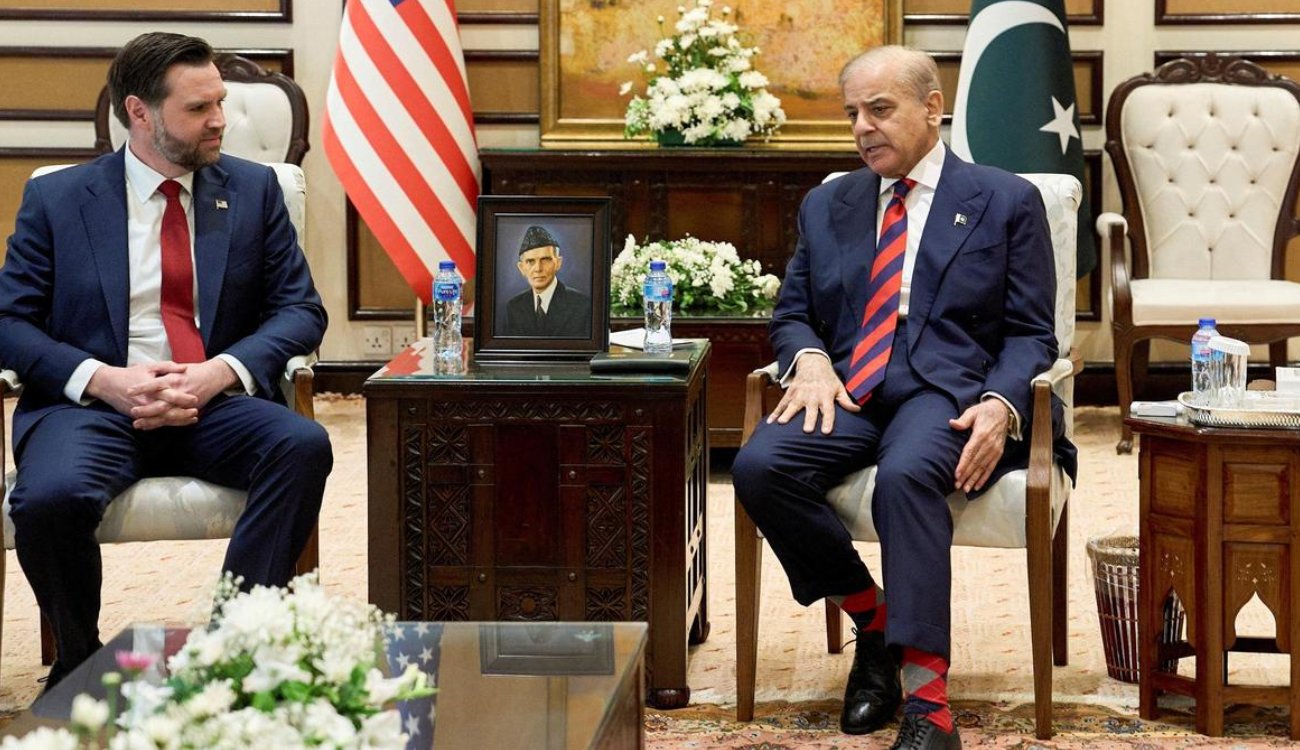
The current conflict between Israel and Iran has entered a decisive stage diplomatically following the suspension of talks between Iran and the United States that took place in Islamabad, Pakistan on April 11, 2026, after an intense discussion session spanning almost 15 hours. Although the talks have been identified as a vital move towards restoring stability amid a ceasefire, there are still outstanding issues between the two parties due to persistent disagreements.
This article offers an extensive summary of the recent progress, major topics under discussion at the negotiation table, worldwide responses, and the future outlook in the ongoing Israel-Iran confrontation.
Background of the Israel-Iran War
The conflict between Israel and Iran which happened in 2026 is considered one of the fiercest geopolitical confrontations of our time. It all started because of rising tension regarding Iran’s nuclear program and influence in the region. In the end, the conflict led to coordinated attacks on Iranian forces by Israel and the US.
After several weeks of fierce battle, both parties decided to sign a truce temporarily because of the intense pressure from the outside world. The Pakistani government intervened and served as a mediator by conducting direct talks between the American and Iranian delegations in Islamabad.
April 11 Talks: A Crucial Diplomatic Effort
On April 11, 2026, Iranian and US delegates began negotiating face-to-face for the first time since the onset of the conflict. This process lasted throughout the night and was going on for about 15 hours. This shows how serious the matter is and how urgent it is being taken care of.
The negotiations involved several important matters to be discussed; some of them are the fate of the nuclear program in Iran, removal of sanctions, control over the Strait of Hormuz, and halting all the fighting in the area.
Even after all these negotiations, the delegates decided to take a break from talking without reaching any decision. It was said that “serious disagreements” remain on both sides.
Key Issues Behind the Deadlock
Inability to come to an agreement results from a series of highly complicated discrepancies among the involved parties.
First, one of the main problems concerns Iran’s nuclear program. It has been reported that Washington has required Iran to restrict or even stop its enrichment program, but the latter claims its sovereign rights to develop its nuclear industry for peaceful purposes.
The second important problem is associated with the Strait of Hormuz, which plays a key role in the transportation of oil across the world. Security control over the region is crucial for negotiation talks, although both parties hold contradictory positions regarding that.
Moreover, sanctions placed on Iran due to its nuclear activities are also a subject of discussion. The country has demanded the termination of these sanctions imposed by the United States and its allies, as they considerably affect the country’s economic state. Meanwhile, Washington requires some guarantee of compliance first.
Also, regional crises, such as those in Lebanon, play a key role in complicating the situation. While Tehran calls for ceasefire in favor of the allied groups, Israel pursues its military policy.
Ceasefire Under Pressure
The current ceasefire, which was announced earlier in April, remains fragile and heavily dependent on the outcome of these negotiations. While major hostilities have temporarily decreased, sporadic tensions and military readiness on both sides suggest that the situation could deteriorate quickly.
Reports indicate that both Iran and Israel are maintaining a high state of alert, with military forces prepared to resume operations if diplomatic efforts fail. The uncertainty surrounding the ceasefire has also contributed to instability in global markets, particularly in the energy sector.
Global Reactions and Strategic Implications
The international community has been closely monitoring the developments in Islamabad. Countries across Europe, Asia, and the Middle East have urged both parties to continue dialogue and avoid further escalation.
Global powers have emphasized the importance of diplomacy in resolving the conflict, warning that a prolonged war could have severe consequences for global security and economic stability. Rising oil prices and disruptions in trade routes are already being felt worldwide.
Meanwhile, political dynamics within the involved countries are also influencing the negotiations. Domestic pressures, public opinion, and leadership strategies are playing a significant role in shaping each side’s stance.
Recent reports suggest that trust remains a major barrier, with Iranian officials expressing skepticism over U.S. intentions and citing past experiences as reasons for caution.
Israel’s Position and Regional Tensions
While the talks primarily involve the United States and Iran, Israel remains a key player in the conflict. Israeli leadership has reiterated its commitment to countering Iranian influence and has not ruled out further military action.
Public opinion within Israel appears divided, with a significant portion of the population opposing the ceasefire and supporting continued military operations.
At the same time, ongoing tensions in Lebanon and other neighboring regions continue to fuel instability, making it even more challenging to achieve a comprehensive peace agreement.
What Happens Next?
Although the April 11 talks ended without a breakthrough, both sides have indicated that dialogue may continue in the coming days. The pause in negotiations is not necessarily a failure but rather a reflection of the complexity of the issues involved.
Diplomatic sources suggest that future rounds of talks could focus on narrowing differences and exploring compromise solutions. However, the path to peace remains uncertain, with significant hurdles still to overcome.
Experts believe that continued international mediation and sustained diplomatic pressure will be essential in bringing both parties closer to an agreement. Without meaningful progress, the risk of renewed conflict remains high.
Conclusion
The Israel-Iran war update as of April 11, 2026, presents an important phase in the development of the conflict, during which diplomacy seems to be confronted by the complexity of existing geopolitical relations. As the 15-hour talks in Islamabad prove, the parties are open to dialogue; however, the existence of irreconcilable differences shows that there is much work to be done.
As global public opinion waits for the results of negotiations, they will become a key factor in deciding the future of the Middle East – regardless of whether peace is going to prevail or another period of escalation ensues. For now, the pause in talks represents both a barrier and a chance – proof that achieving peace may be hard but still possible if compromises are made.