

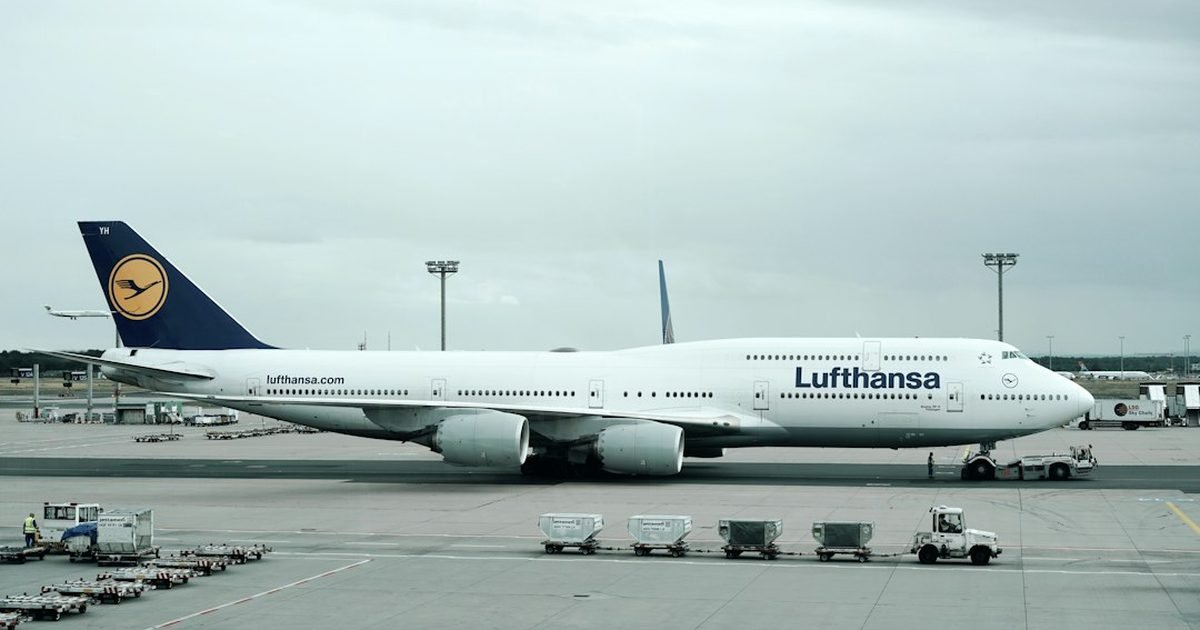
Lufthansa announced the retirement of its final Airbus A340‑600 this week, marking the end of an era for one of the few major airlines still operating the four‑engine, extra‑long‑fuselage jet. The aircraft, known for its distinctive stair‑accessed lavatories and spacious cabin, will make its last commercial flight on October 15, after more than two decades of service.
Farewell Flight and Fanfare
The final journey, from Frankfurt to New York, will be celebrated by a small but passionate community of aviation enthusiasts who have followed the A340‑600’s quirks and capabilities since its introduction in 2002. Social media accounts dedicated to the model have organized virtual watch parties, and Lufthansa has promised a brief in‑flight tribute, including a special announcement from the cockpit crew.
Why the A340‑600 Stood Out
Unlike its twin‑engine counterparts, the A340‑600 featured four Rolls‑Royce Trent 500 engines, giving it a reputation for reliability on long‑haul routes, especially before the advent of more fuel‑efficient twin‑jets. Its 75‑meter (247‑foot) fuselage made it one of the longest passenger aircraft in service, allowing for a generous seat pitch and the unusual design of lavatories located on a lower deck accessed via a short staircase.
These characteristics earned the aircraft a cult following, with pilots and passengers alike praising its smooth ride and spacious interior. However, the same features also contributed to higher operating costs, a factor that has become increasingly decisive in a market driven by fuel efficiency and carbon‑reduction targets.
Industry Shift Toward Twin‑Engine Jets
Over the past decade, airlines worldwide have accelerated the phase‑out of four‑engine aircraft in favor of modern twin‑engine models such as the Airbus A350 and Boeing 787. These newer planes consume up to 25% less fuel per seat and emit significantly lower CO₂, aligning with stricter European Union emissions standards and Lufthansa’s own sustainability commitments.
In a recent earnings call, Lufthansa’s chief operating officer noted that the A340‑600’s higher fuel burn and maintenance expenses made it “economically untenable” compared with the airline’s expanding fleet of A350‑900s and A321XLRs, which can serve similar long‑haul routes with reduced costs.
Impact on Lufthansa’s Fleet Strategy
The retirement reduces Lufthansa’s A340‑600 count to zero, leaving the carrier with a homogeneous fleet dominated by twin‑engine aircraft. This simplification is expected to streamline pilot training, spare‑parts inventory, and scheduling flexibility.
Analysts suggest that the move will also free up slots at Frankfurt Airport for newer, higher‑capacity jets, potentially boosting the airline’s revenue per available seat kilometre (RASK). The decision aligns with Lufthansa’s broader plan to achieve carbon‑neutral operations by 2050, a goal that necessitates the gradual elimination of less efficient aircraft types.
Legacy and Sentiment
While the A340‑600’s operational lifespan may have been curtailed by economic and environmental pressures, its legacy endures among aviation historians. The aircraft represented a transitional phase in long‑haul travel, bridging the gap between early four‑engine designs and the modern era of ultra‑efficient twins.
Former crew members recall the aircraft’s “quiet cabin” and the unique experience of navigating the lower‑deck lavatories, features that are unlikely to reappear in future commercial designs. For many, the A340‑600 will remain a symbol of an era when size and redundancy were prized over pure efficiency.
As the final A340‑600 taxis to the gate for the last time, Lufthansa joins a growing list of carriers—such as British Airways and Air France—that have already retired their four‑engine fleets. The aircraft’s departure underscores the aviation industry’s accelerating pivot toward greener, more cost‑effective technology.
Source: NYT Business
This article was compiled by the IndiaBBCNews editorial system from verified international news sources. Facts have been independently reviewed. Original reporting: NYT Business.

