

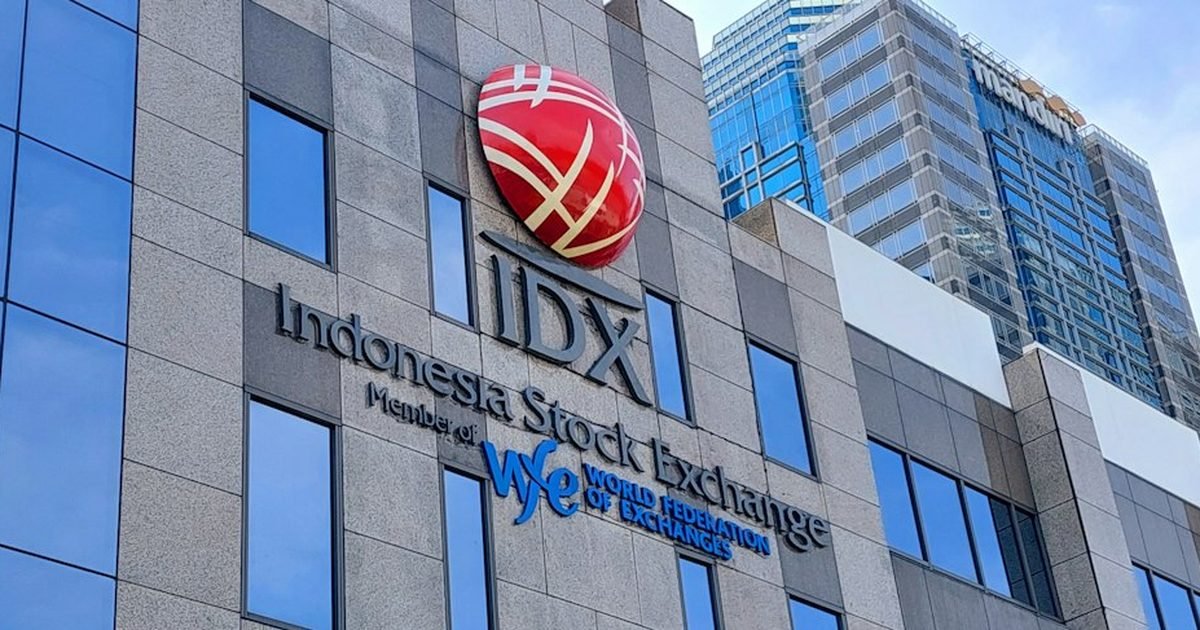
Indonesia’s equity market suffered a sharp decline on Monday, with the Jakarta Composite Index shedding more than 5% after MSCI, the global index provider, signalled it could remove the country from its emerging‑market indexes. The move has intensified a growing crisis of confidence in the economic direction set by President Prabowo Subianto’s administration.
MSCI’s Warning Triggers a Market Sell‑off
According to MSCI’s latest review, the Indonesian market no longer meets the fund‑flow and liquidity criteria required for inclusion in its flagship Emerging Markets Index (EMI). The provider reportedly warned that if corrective steps are not taken within a three‑month window, the country could be excluded, prompting a wave of forced selling by foreign funds that track MSCI benchmarks.
Investor Sentiment Already Fragile
The announcement arrives at a time when foreign investors have been pulling capital from Indonesia amid concerns over President Prabowo’s fiscal policies, including a proposed increase in the value‑added tax and tighter credit controls. Analysts say the market’s reaction reflects not only the MSCI threat but also lingering doubts about the government’s commitment to structural reforms promised during the 2024 election.
Potential Economic Fallout
Exclusion from MSCI’s indexes could raise Indonesia’s cost of capital, as many global funds rely on the benchmarks to allocate assets. A study by the Asian Development Bank estimates that a removal from the EMI could increase the country’s sovereign bond yields by 30‑50 basis points, adding pressure to an already strained fiscal balance. The government has not yet responded publicly, but insiders suggest a high‑level task force is being assembled to address the liquidity shortfalls highlighted by MSCI.
Domestic Response and Policy Options
Within Jakarta, market regulators have pledged to improve trading depth and transparency. The Indonesia Stock Exchange (IDX) announced plans to expand its market‑making program and to accelerate the rollout of a new settlement system designed to reduce transaction times. Meanwhile, the Ministry of Finance is reportedly reviewing the contentious tax proposals, weighing whether a partial rollback could restore investor confidence without compromising revenue targets.
Outlook for the Near Term
Short‑term volatility is expected to persist as investors monitor MSCI’s final decision and the government’s policy adjustments. Some market participants are calling for a temporary suspension of foreign‑fund outflows, while others argue that structural reforms—such as improving the ease of doing business and strengthening the rule of law—are essential to regain long‑term credibility.
Regardless of the outcome, the episode underscores the delicate balance Indonesia must strike between sovereign policy choices and the expectations of global capital markets. The coming weeks will reveal whether President Prabowo’s administration can navigate the crisis and keep the country’s growth trajectory on track.
Source: New York Times
This article was compiled by the IndiaBBCNews editorial system from verified international news sources. Facts have been independently reviewed. Original reporting: NYT Business.

