


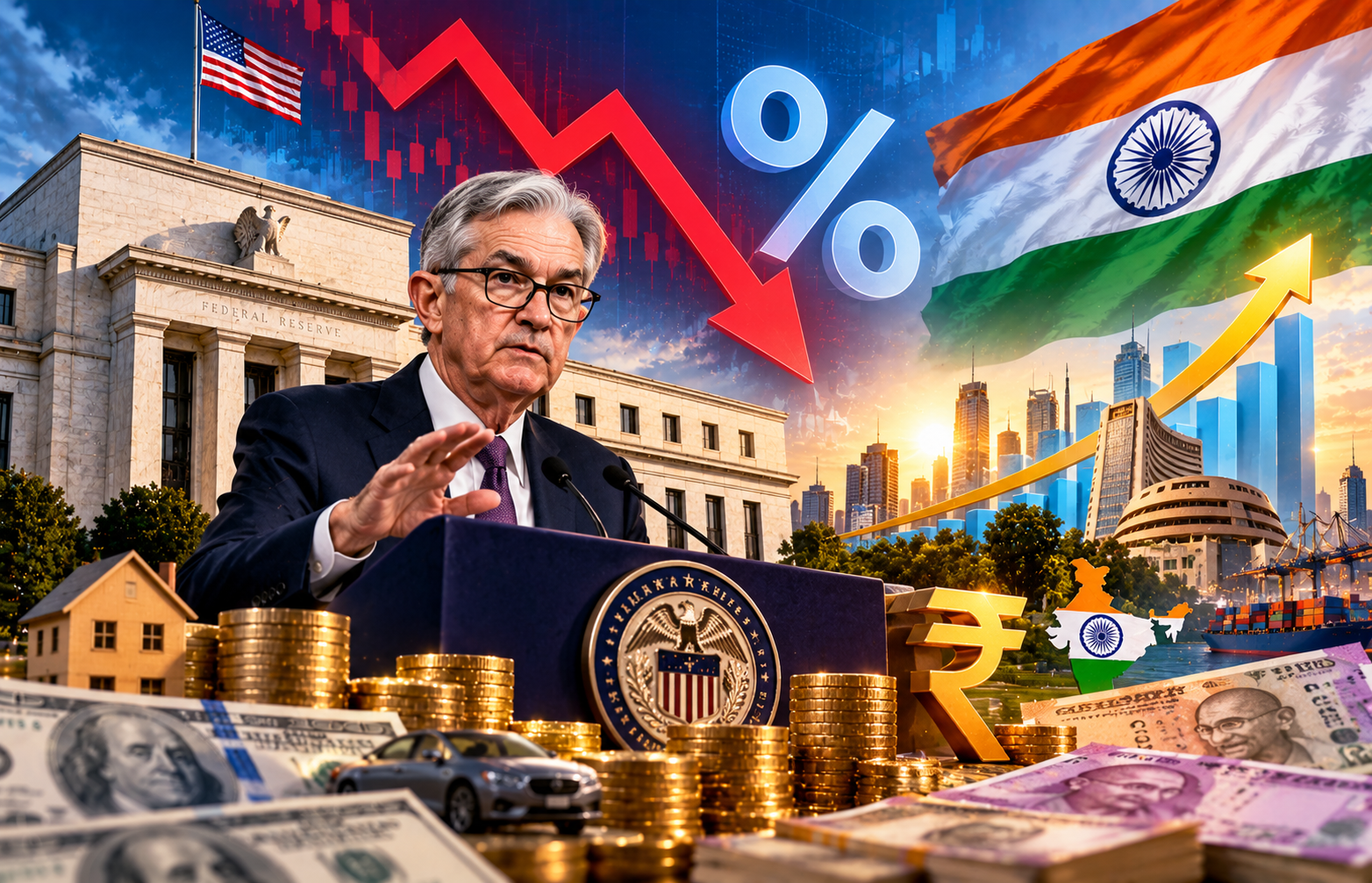
The US Federal Reserve has cut interest rates for the third consecutive time in 2026, bringing the federal funds rate to 3.75%. The decision reflects the Fed’s growing confidence that inflation has been brought under control and that the US economy needs support to maintain its growth trajectory.
Why Is the Fed Cutting Rates?
US inflation has fallen to 2.3% — close to the Fed’s 2% target — after peaking at over 9% in 2022. The labor market remains strong but is showing signs of cooling, with unemployment rising slightly to 4.2%. The Fed’s dual mandate — price stability and maximum employment — means rate cuts are now the appropriate policy response.
Impact on US Consumers and Investors
- Mortgages – Home loan interest rates are expected to fall, making housing more affordable
- Credit Cards – Borrowing costs on credit cards will decrease gradually
- Savings – Returns on savings accounts and CDs will decline — savers may need to explore alternatives
- Stock Market – Rate cuts are generally positive for equities; the S&P 500 has risen 4% since the announcement
Impact on India
US rate cuts have significant implications for India’s economy. Lower US rates typically trigger capital flows from developed markets to emerging markets like India, strengthening the rupee and boosting Indian stock markets. The Nifty 50 has already risen 1.8% in response to the Fed’s decision. Foreign portfolio investors are returning to Indian equities after months of cautious positioning.
The Reserve Bank of India (RBI) now has more room to cut its own interest rates to support domestic growth, particularly in housing and small businesses.
Follow India BBC News for the latest business and financial news, market analysis, and economic developments.

