


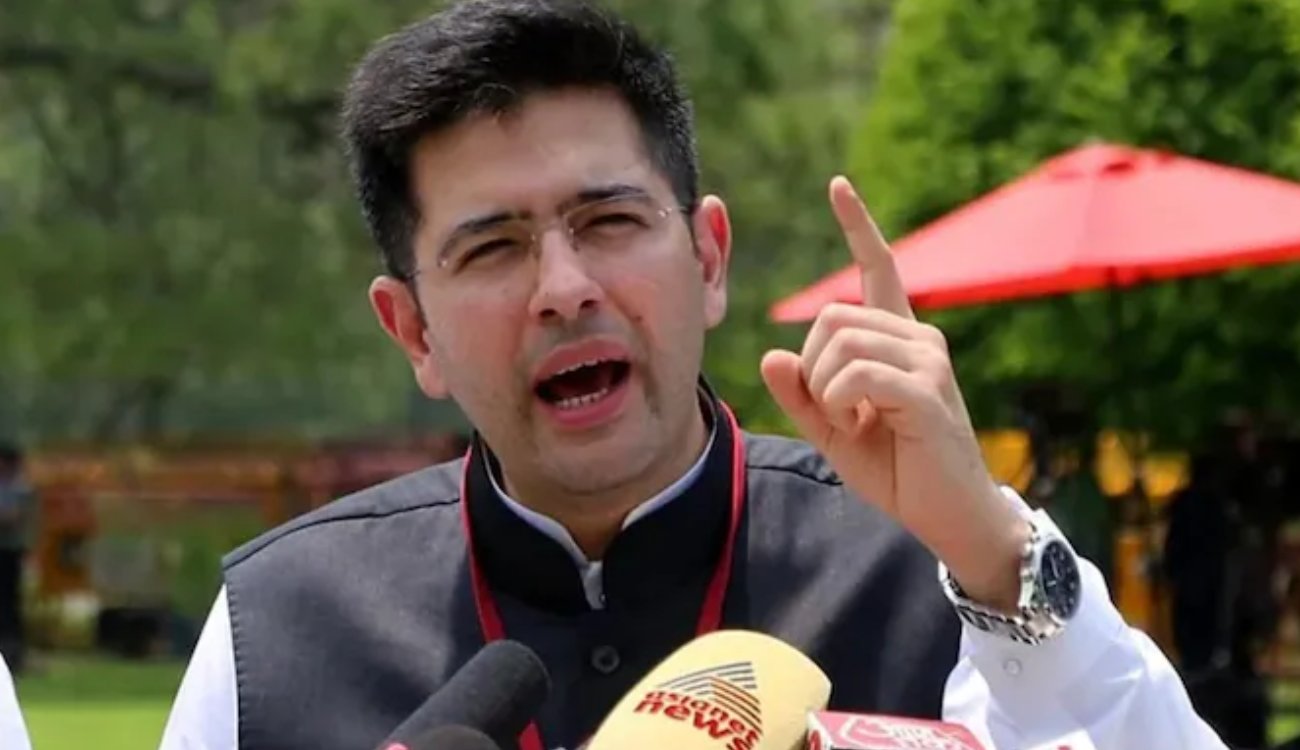
Raghav Chadha has clarified — in a statement that was more pointed than his usual social media register — that his departure from certain online spaces was driven by “disgust, not fear.” The framing is a response to commentary suggesting he had been intimidated off platforms by trolling or coordinated harassment.
“I left because the quality of discourse had become genuinely repugnant,” he said in a post. “That’s a choice made from intellectual self-respect, not from any kind of cowardice.”
What He’s Responding To
The context is a period during which Chadha reduced his posting frequency on certain platforms following a wave of critical and, in some cases, genuinely abusive commentary directed at him. The reduction was interpreted by some observers — and reported in some media — as a retreat under pressure.
Chadha’s pushback on that interpretation is about controlling the narrative around his own decision. “Left out of disgust” and “left under pressure” are very different stories, and he is clearly invested in making sure the first version, which he describes as accurate, is the one that circulates.
The Broader Dynamic
Indian politicians on social media face a specific form of the platform toxicity problem that affects public figures generally, with the additional dimension of being targets of organised political trolling from opposing party ecosystems. The AAP-BJP dynamic, in particular, has been marked by sustained mutual social media hostility since AAP’s emergence as a Delhi political force.
When a politician reduces platform activity, it gets read through those partisan lenses almost immediately. Supporters read it as harassment succeeding; critics read it as retreat.
Chadha’s “disgust, not fear” framing doesn’t fully resolve those readings — but it does make the conversation about his decision-making rather than about whether he was successfully intimidated. That’s probably the outcome he was aiming for.

