


£437 million. That is the price tag attached to the new London Museum, which opens its doors to the public this weekend at Smithfield. The number alone stops you in your tracks, especially when you consider the building used to be devoid of heat, plaster crumbling, and teeming with rats for 30 years. It is a gamble, a massive cultural wager on whether a meat market can become the beating heart of the city.
The skepticism was loud in the planning stages, but the finished product is undeniably striking. It is not just a repository for old things; it is a loud, bright, chaotic space that feels almost painfully alive. The old London Museum at London Wall was so badly located thatThe Timesjoked in 1976 that the Queen would open it “if she could find it.” That is a very different energy from the one now radiating from the Victorian iron architecture of Smithfield. The transition from a hidden, dusty archive to a 24-hour civic hub is bold, perhaps dangerously so, but that is exactly the point of this new iteration.
The Architecture of a Ghost Market
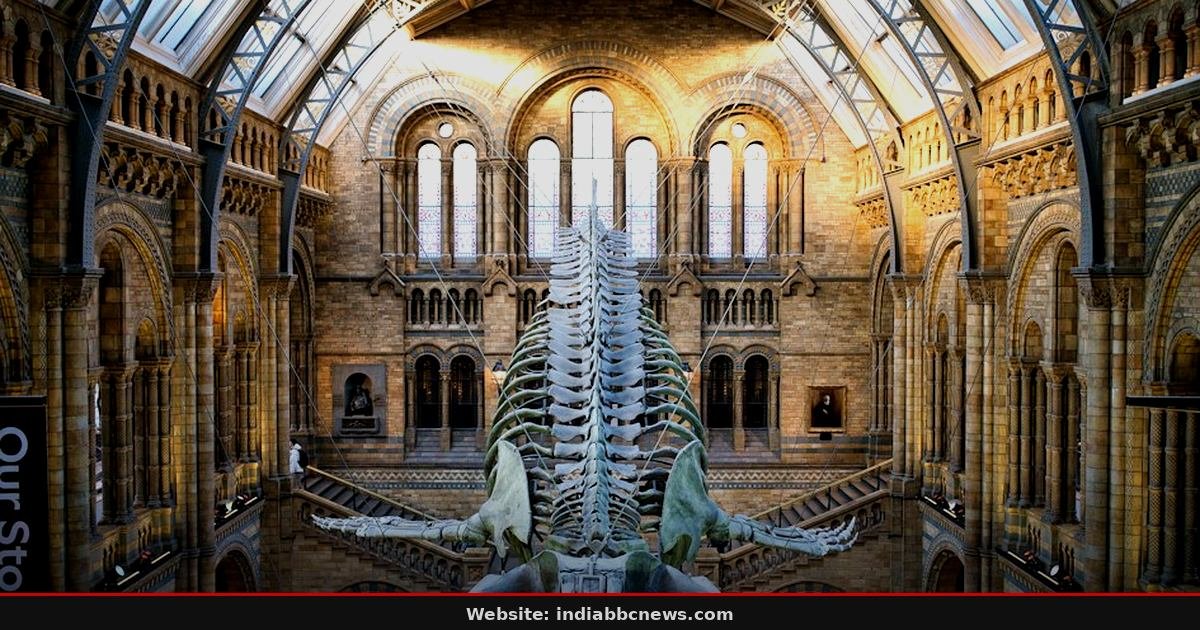
Walking into the General Market building, you are struck by the sheer scale of the space, which has been transformed from a derelict trading floor into a cathedral of light. Sir Horace Jones, who also designed Tower Bridge, originally built this structure in 1883, and the restoration team had to work with the finest craftspeople in the country to make it structurally sound. They did not just paint over the decay; they tackled asbestos, removed dangerous aerated concrete from the 1960s Poultry Market roofs, and replaced thousands of bricks and girders that were on the verge of collapse. The Phoenix iron columns, which define the aesthetic of the room, were painstakingly preserved even though the spectacular dome ceiling above them is a 1960s rebuild.
The original dome was destroyed by a V-2 rocket in the Second World War, a violent scar on the building’s history that the new museum refuses to hide. Instead, it leans into its layered past, treating the damage and the repair as part of the story.
But the real trick is in the details that only a reporter standing in the corner would notice. There is a window installed directly onto the tracks of the Thameslink train line that runs between the market and Farringdon, allowing visitors to sit and watch carriages speed past at high velocity. This is not a standard exhibition trick; it is a deliberate choice to blur the line between the static gallery and the chaotic street outside. Sharon Ament, the museum’s director, told reporters that the biggest challenge was making the building safe without erasing its heritage, a task that required stonemasons and heritage coppersmiths working side by side.
The result is a space that feels both ancient and urgently modern, a rare balance in the current climate of cultural architecture. You can hear the train rattling the glass, a constant reminder that this museum is not isolated from the city, but embedded in its arteries.
Seven Million Objects, One Fatberg
The collection is the headline act here, featuring 7 million objects that tell the social history of London in a way that no text book could. It is deliberately eclectic, mixing the glorious with the gritty, which is a refreshing departure from the polished narratives of traditional institutions. Among the highlights is a glamorous Art Deco lift from Selfridges dating to 1928, which has been preserved in all its chrome glory. Then there is a remnant of the infamous “fatberg” that clogged the sewers of Whitechapel in 2017, a disgusting but fascinating artifact of modern urban overconsumption.
This juxtaposition is not accidental; it is the core philosophy of the new London Museum. It wants to show you the city as it actually is, with all the squalor and the shine visible at the same time. It is a mirror held up to Londoners, reflecting their messiness back at them with a wink.
You will also find a rare Roman wall painting dating from the mid-100s CE, recovered from a wealthy private home, sitting next to Banksy’sPiranhasspray-painted on a police sentry box. Annette Day, a lead curator who is doing a PhD on the museum’s history, said in a statement that each version of the museum has been shaped by its time, its people, and its place. The current collection includes Votes for Women banners from the suffragette protests that delayed the first opening, linking the fight for rights then to the social space being created now. This is a living archive, not a dead one, and it changes as the city changes.
The “Our Time” space on the main trading floor is designed to host dinner clubs, storytelling sessions, and weekly tea clubs, making the collection a catalyst for social interaction. It is a bold move to turn a museum into a venue for nightlife and community gathering, but it might just work.
What This Means for India
For Indian readers, the London Museum is not just a curiosity but a significant cultural bridge that highlights the growing Indian influence in British public life. London is now a city where Indian culture, food, and history are not just tolerated but central to its identity, and this museum reflects that shift in a tangible way. The “Our Time” program, which includes events like dinner clubs and cultural nights, is likely to feature South Asian artists, chefs, and storytellers who have shapes the modern London landscape. This is not a token gesture; it is a recognition that the story of London cannot be told without the millions of Indians who have contributed to its economic and cultural fabric since the mid-20th century. The Indian diaspora has been a critical part of London’s post-war recovery and its current global status, and seeing this acknowledged in a major institution is a good thing.
There is also a direct market implication for the Indian tech and construction sectors that have been involved in similar urban regeneration projects globally. The scale of this renovation, involving complex structural engineering and heritage preservation, offers lessons for cities like Mumbai and Delhi that are grappling with their own aging infrastructure. The idea of repurposing industrial spaces for cultural use is a trend that India is watching closely, and the London Museum serves as a case study in how to do it right. Indian investors and policymakers looking at urban development can learn from the way this project balanced heritage with modern functionality, a challenge that is becoming more common in major Indian metros.
It is a reminder that culture and commerce can coexist, and that investing in public spaces is an investment in social cohesion. This is a subtle but important signal for anyone involved in urban planning or cultural investment in the subcontinent.
The 24-Hour Gamble
The most controversial feature of the new London Museum is the 24-hour cafe, a concept that has not been widely tested in major European museums. It is a huge bet that people will come at midnight to look at objects, or at least to use the space as a social hub after the galleries close. Dhikshana Turakhia Pering, the head of creative programming, told journalists that they are not just opening a museum but a new social and civic space for London. This is a direct challenge to the traditional museum model, which usually operates on fixed hours and assumes that culture is a daytime activity.
The cafe will serve as a bridge, keeping the building active and vibrant around the clock, which could change how people think about public institutions. It is a bold, somewhat risky move, but it aligns with the broader trend of making cities more alive and less segregated by time.
However, keeping a building of this size open 24/7 is expensive and logistically complex, especially with security and staffing concerns. The question is whether the revenue from the cafe will be enough to sustain the operational costs, or if it will become a funding hole. Critics have already raised concerns about the long-term viability of such a model, arguing that it might dilute the educational focus of the museum. But Ament and her team seem undeterred, citing the success of similar spaces in other cities that have thrived on their ability to attract a diverse audience.
The 24-hour aspect is not just about caffeine; it is about creating a sense of ownership and belonging that traditional museums often fail to achieve. It is a test case for the future of civic spaces, and the results will be watched closely by urban planners in London and beyond.
Historical Context and the Tate Comparison
It is tempting to compare this project to the transformation of Tate Modern in a former power station, and in many ways, the parallel is apt. Both projects took a grim, industrial space and turned it into a cultural landmark that redefined the skyline and the social life of their respective areas. The Terra building, which houses the Tate Modern, was a decaying power station that was saved from demolition and converted into a gallery, much like the Smithfield Market. However, the London Museum is distinct in its focus on social history and community engagement, rather than just fine art.
It is less about the object and more about the person, which is a significant shift in curatorial philosophy. This approach is more in line with the community-based museums that have emerged in the UK over the last two decades, which prioritize participation over preservation.
Historically, museums have been gatekeepers of culture, often excluding the very people they claimed to represent. The new London Museum is trying to break down those barriers by making the space accessible, affordable, and welcoming to all. The original London Museum was criticized for being inaccessible and elitist, and this new iteration is a direct response to that criticism. It is a self-correcting move, an admission that the old model did not work and that a new one is needed.
This kind of institutional humility is rare and valuable, and it speaks to a broader trend in the UK where public institutions are being forced to reinvent themselves to stay relevant. The success of this project will depend on whether the Londoner, in all her messy, complex glory, decides to step inside and make it her own.
What Happens Next
The immediate next step is the official opening ceremony later this weekend, which will be attended by senior government officials and cultural leaders. The museum will be open to the public immediately afterward, with a packed schedule of events designed to get people through the doors. There will be special exhibitions, live music, and community workshops, all aimed at establishing the museum as a must-visit destination. The long-term goal is to build a sustainable financial model that allows the museum to expand its programs and reach a wider audience. The 24-hour cafe will be fully operational from day one, and early reviews suggest it is well-received by the local community, which is a good sign for the project’s future.
In the coming months, we will see whether the “Our Time” program lives up to the hype, with regular events that bring people together in the main hall. The museum will also be collaborating with local schools and universities to provide educational resources, which is a key part of its mission. There are plans to digitize parts of the collection, making it accessible to people who cannot visit in person, which is a smart move in the digital age. The success of the London Museum will be a bellwether for the future of cultural institutions in the UK, and it will be watched with interest by counterparts around the world.
The gamble has been made, and the cards are now on the table. Let’s see if London plays them well. The new London Museum is located in the Smithfield Market area, specifically in the former General Market and Poultry Market buildings. It is in the City of London, near Farringdon and Barbican, making it much more accessible than the previous location at London Wall. The buildings are adjacent to the still operational Smithfield Meat Market, which adds to the vibrant, working-city atmosphere of the site.
Frequently Asked Questions
Where is the new London Museum located?
How much did the new London Museum cost to build?
The new London Museum cost £437 million to construct and restore. This figure covers the extensive structural renovation of the derelict Victorians and 1960s buildings, as well as the installation of new exhibits and facilities. It is one of the largest cultural investments in Europe in recent years, reflecting the scale of the project and the importance placed on revitalizing the Smithfield area.
What is the 24-hour cafe at the London Museum?
The 24-hour cafe is a new feature of the London Museum that will be open around the clock, allowing visitors to grab food and drinks at any time of day. It is part of the museum’s strategy to become a social and civic space, not just a gallery, and it aims to keep the building active and vibrant late into the night. This is a unique offer in the museum world and
Source: Evening Standard UK

