

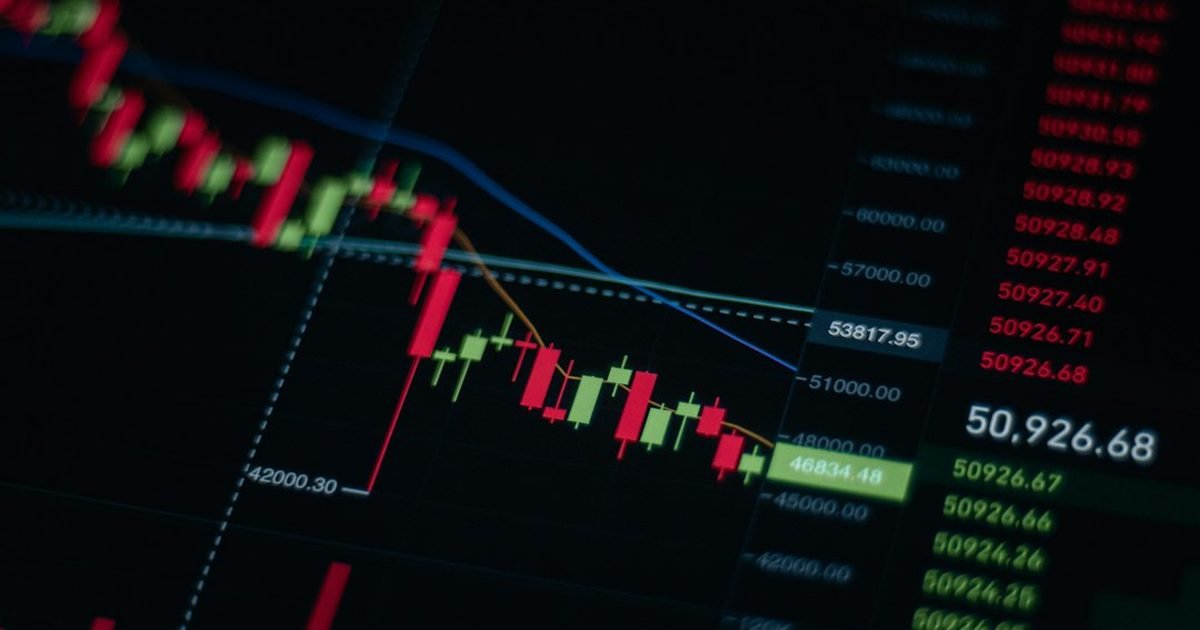
The S&P 500 just took a hit, and the market is panicking. But here is the hard truth: if you try to time your exit, you will likely lose more money than if you just sat still and waited it out.
Volatility feels personal when your portfolio drops. Yet, the data suggests that the biggest gains happen in the days you are too scared to touch your account. This isn’t about luck; it is about the mechanics of compounding and human error.
Missing the Big Days
Consider the math. Over the last 20 years, the S&P 500 has had specific days where it surged. If you missed the ten best trading days in that entire two-decade span, a $10,000 investment would have ended up worth less than half of what it would have been had you simply held. That is not a small margin of error. That is a catastrophic failure of strategy.
“The market rewards patience, not prediction,” says one veteran portfolio manager who has watched this cycle repeat itself for decades. “People think they are smart for selling the dip. They are just selling low.” The fear is real, but the reaction is usually wrong. You cannot pick the bottom. You can only stay in the game.
Why Panic Fails
Investors often confuse a correction with a crash. They see red numbers and hit the sell button, locking in losses. Then, when the market recovers—often within weeks—they have to buy back in at a higher price. This whipsaw effect destroys wealth. The “good news” for patient investors is simple: the market has a long-term upward bias. Short-term noise is just that. Noise.
What happens next? The market will likely continue to chop around. Headlines will be scary. Your phone might buzz with alerts. Ignore them. If you have a long-term horizon, the current dip is a feature, not a bug. It is the price of admission for long-term growth. Don’t let a bad week dictate your next ten years.
Source: Yahoo Finance
This article was compiled by the IndiaBBCNews editorial system from verified international news sources. Facts have been independently reviewed. Original reporting: Yahoo Finance.

