


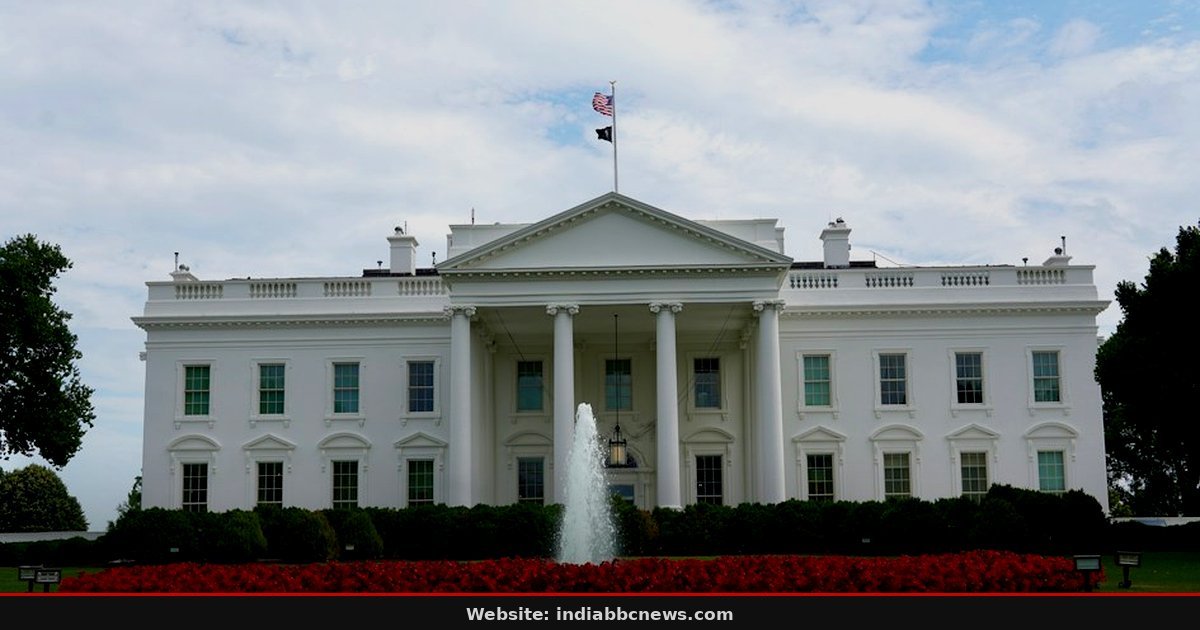
Heidi Overton is out. The White House confirmed to the Guardian that its nomination for her to lead the Food and Drug Administration has been formally withdrawn. This happens after just one month. It’s a stunning reversal for an administration that prides itself on speed and decisiveness.
The move comes hours after Republican Senator Bill Cassidy told reporters he remained undecided on her fate. That hesitation was enough to kill the process. Now, the FDA is leaderless again, a vacuum that has persisted for months. The political cost is immediate, and the institutional damage is harder to measure.
The Cassidy Problem and the Tuesday Collapse
The nomination died on a Tuesday afternoon session that barely made the evening news. Senator Cassidy, a moderate Republican from Louisiana holding an up-for-grabs seat, simply wouldn’t commit. He told reporters he had questions that needed answering before he could vote yes. In Senate health committee politics, that is a polite way of saying “no.” The White House, always allergic to ambiguity, pulled the plug rather than risk a public defeat.
It’s a rare moment of strategic retreat for a team that usually charges forward regardless of odds. The speed of the withdrawal suggests panic, or at least a deep fear of looking weak.
Overton, a physician and vocal opponent of abortion, was supposed to be a safe bet. She had the credentials, the political alignment, and the backing of key donors. But the math in the Senate is unforgiving. One wavering vote can sink a cabinet-level appointment.
Cassidy’s hesitation wasn’t just about policy; it was about optics. He is running for re-election and can’t afford to be seen blocking a healthcare nominee without a fight. The White House realized this too late. They thought they had the votes.
They didn’t. And in Washington, perception is often more important than the truth.
Why the FDA Vacuum Matters More Than You Think
The FDA is not just a bureaucracy; it’s the gatekeeper for every drug, device, and food additive Americans consume. A leaderless agency means stalled approvals, delayed safety reviews, and a lack of clear direction on emerging health threats. The current acting commissioner, Robert Califf, is nearing the end of his tenure. He has been doing the job, but he lacks the authority to make sweeping changes.
The industry is already nervous. Pharmaceutical companies are holding back on major submissions, waiting to see who is in charge. That’s a harder sell than it sounds for an agency that needs to move fast.
Historically, FDA leadership changes can take months, sometimes years, to fully stabilize. The agency has a heavy regulatory burden, with over 200,000 employees. A new commissioner must navigate complex scientific, legal, and political minefields. The last time the FDA went without a confirmed leader for this long, it was during a period of intense public health crisis.
The result was a backlog of applications and public confusion. We are heading down a similar path. Nobody in the room looked convinced that this delay was harmless. It’s not.
The lack of clear leadership creates uncertainty that costs lives and money. For India, this isn’t just a US domestic hassle. The FDA is the world’s most influential drug regulator, setting standards that ripple through global supply chains. Indian pharmaceutical companies, which supply a large portion of the world’s generic drugs, rely on predictable FDA processes. A leaderless agency creates unpredictability in approval timelines, which can disrupt exports worth billions of dollars.
What This Means for India and Global Health Policy
Indian firms like Sun Pharma and Dr. Reddy’s Laboratories are already watching US regulatory shifts closely. Any delay in US approvals can ripple back to Indian manufacturers, affecting their cash flows and production plans. This is a direct hit to a key sector of India’s economy.
Moreover, India’s own Drug Controller General of India (DCGI) often looks to the FDA for guidance on global safety standards. If the FDA becomes a political football, it undermines the credibility of global health benchmarks. Indian policy makers, who are pushing for “Atmanirbhar Bharat” or self-reliance in healthcare, may see this as an opportunity to accelerate local regulatory independence. But it also means Indian companies face a riskier operating environment in their largest export market.
The irony is thick here. The US, a partner in global health initiatives, is struggling to keep its own health agency functional. That’s a signal to New Delhi that reliance on foreign regulatory frameworks is fragile.
The broader implication is a shift in global health governance. If the FDA cannot maintain its non-partisan, scientific reputation, other agencies may fill the void. The European Medicines Agency (EMA) and India’s DCGI could gain more influence. For Indian readers, this means that the drugs you buy, whether imported or locally made, are subject to more variable quality checks at the source.
It’s a subtle but significant shift in the global health order. We need to watch how Indian exporters adapt to this new reality. The margin for error is shrinking fast.
The Abortion Flashpoint and Political Fallout
Overton’s nomination was always going to be contentious. She is a known critic of Planned Parenthood and a vocal opponent of abortion rights. In a Senate that includes moderate Republicans, that stance is a liability. The administration chose a ideology-first nominee over a technocrat.
That’s a calculated risk. But risks don’t always pay off. The backlash from the media and opposition parties was immediate and intense. They framed the nomination as an attack on reproductive healthcare.
The administration tried to spin it as a commitment to scientific rigor. It didn’t work. The narrative was set, and the nomination was doomed.
This incident highlights the increasing politicization of scientific institutions. The FDA is supposed to be a neutral arbiter of safety. But when nominees are chosen for their political signals, the agency’s credibility suffers. Experts in public health have warned about this trend for years.
They say that when science is treated as a branch of politics, the public loses trust. That trust is hard to rebuild. The next nominee must navigate this minefield with extreme care. Or, the administration might avoid the issue altogether.
They might keep the acting commissioner in place indefinitely. That’s a lazy solution, but it’s a safe one. For now, the silence in Washington is deafening.
What Comes Next for the Administration?
The White House has options, but none of them are good. They can nominate a new candidate, but that restarts the clock and the scrutiny. They can keep the acting commissioner, but that leaves the agency without a confirmed leader. Or, they can pivot to a different priority altogether.
The next few weeks will be critical. The Senate is recovering from the midterms, and the new members are eager to make their mark. Any new nomination will face a tougher gauntlet. The administration needs to find a nominee who is both scientifically credible and politically palatable.
That’s a tall order. It’s a harder sell than it sounds, especially in the current climate.
Abdul El-Sayed, the Democratic Senator-elect from Michigan, said today that he would be happy to work with the Trump administration to pass one of his tentpole policy agenda items – Medicare For All. He told reporters, “Everybody’s like, ‘ah well, you’d work with Donald Trump to get Medicare For All?’. I’m like hell yeah, because the demand is there.” This comment is striking. It suggests that even in the chaos of a failed nomination, there is room for cross-party cooperation on healthcare.
But will that goodwill translate into action? Or will it just be another soundbite? The next vote is scheduled for next month. The deadline is firm.
The stakes are high. And the FDA is still waiting. That’s a long time for a health agency to be in limbo.
Frequently Asked Questions
Why did the White House pull Heidi Overton’s nomination?
The White House cited a lack of sufficient Senate support. Senator Bill Cassidy’s hesitation to vote in favor was the final nail in the coffin. The administration chose to withdraw the nomination rather than risk a formal rejection. It was a strategic retreat to save face and avoid a public defeat.
The move was confirmed by a White House official speaking to the Guardian. It’s a rare instance of the administration backing down on a high-profile appointment.
Who will lead the FDA now?
The FDA will likely continue to be led by an acting commissioner. Dr. Robert Califf is currently serving in that role. He will remain in charge until a new nominee is confirmed by the Senate.
This interim period could last months. The acting commissioner has limited authority to make major policy changes. The agency will continue its day-to-day operations, but major strategic shifts are unlikely. The industry is watching closely to see if this interim status becomes permanent.
How does this affect Indian pharmaceutical companies?
Indian pharma firms face increased uncertainty in US approval timelines. The FDA is a key market for Indian generic drugs. A leaderless agency can lead to delays in drug approvals, which affects export revenues. Companies like Sun Pharma and Dr.
Reddy’s are monitoring the situation closely. They may need to adjust their production and marketing strategies. The lack of clear leadership in the US creates a riskier environment for Indian exporters. It’s a significant concern for India’s healthcare sector.
When will a new FDA nominee be announced?
There is no official timeline for a new nomination. The White House has not commented on when they will announce a replacement. It could be weeks or months. The Senate’s schedule and the political climate will play a role.
The administration is likely weighing its options carefully. A new nominee will need to be more politically palatable to the Senate. The process will be slower and more scrutinized than the initial Overton nomination. Patience is key for now.
Why was Heidi Overton controversial?
Overton was a prominent opponent of abortion rights. Her stance made her a target for criticism from Democrats and moderate Republicans. She was also seen as a political appointee rather than a neutral technocrat. This raised concerns about the politicization of the FDA.
The media and advocacy groups launched a strong campaign against her nomination. Her background in reproductive health politics was a major point of contention. It made her confirmation difficult in a divided Senate.
Source: Guardian World
Source: Guardian World

