


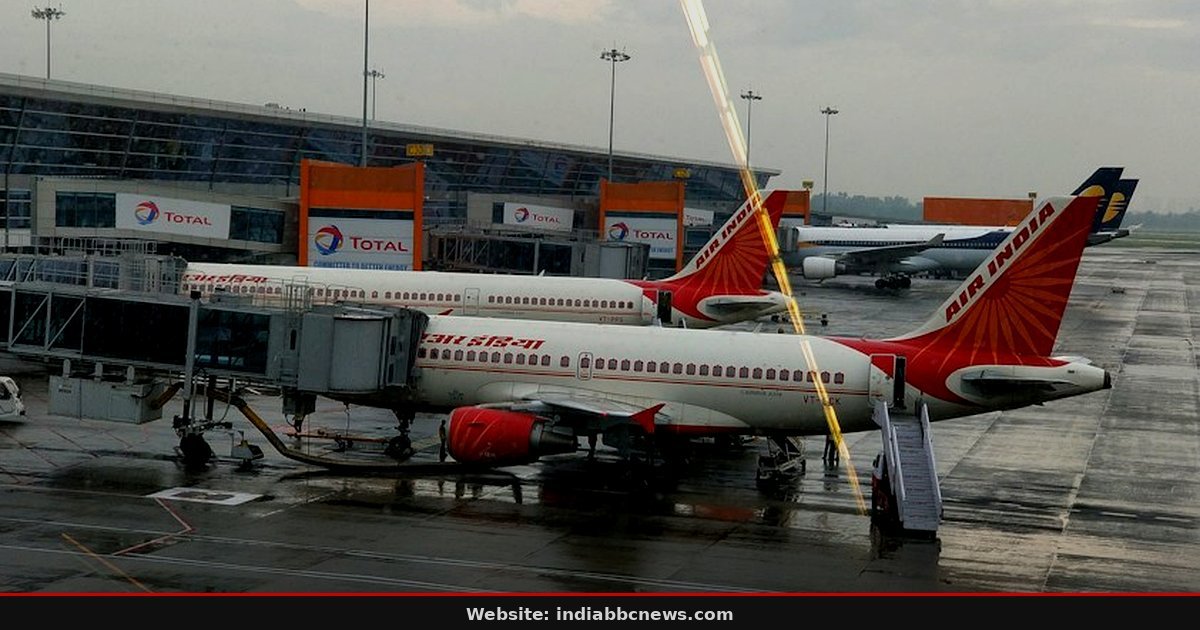
Thiruvananthapuram Airport Grounded as Construction Crane Blocks Flight Path
Two commercial flights sat on the tarmac in Thiruvananthapuram on a humid November afternoon, not because of monsoon rain, but because a construction crane had risen into the airspace where planes descend. It is a mundane image — metal arms against a grey sky — yet it disrupted the schedule of hundreds of travelers and raised uncomfortable questions about urban planning versus aviation safety. The incident, which occurred on November 17, 2026, highlights a growing friction between India’s rapid infrastructure boom and the rigid, invisible fences that protect its skies. For now, the crane is down, but the lesson remains: in a city that grows fast, the sky is no longer just open air. It is a managed resource, and someone forgot to check the map before lifting the steel.
The Radar Blip That Stopped the Runway
Air traffic controllers at Thiruvananthapuram International Airport first noticed the anomaly on their screens around mid-afternoon. The object was stationary, which is unusual for anything in the flight path, and its altitude matched the critical approach corridor for incoming aircraft. Airport authorities confirmed to journalists that the crane, part of a nearby construction project, had been raised without full coordination with the air navigation department. It’s a procedural gap that shouldn’t happen, yet it did, forcing a temporary halt to landing operations to ensure no pilot had to make a split-second decision too close to a structure. The delay was not dramatic, but it was enough to rattle passengers checking their phones for updates.
Once the threat was identified, ground crews secured the area while the crane operator lowered the boom. The process took longer than expected, as heavy machinery moves at its own pace, indifferent to the clock. By the time the crane was fully retracted, two flights had already diverted their landing sequences, causing cascading delays for subsequent departures. It’s a ripple effect that travelers know well: one small hiccup at the threshold can turn a two-hour wait into a four-hour ordeal.
The airport management later assured the public that all safety protocols were followed, but the incident has left a mark on the day’s operations that will be recorded in the logs and discussed in the crew debriefs. That’s a harder sell than it sounds when you’re standing in the terminal, watching the departure boards flip from “On Time” to “Delayed.”
Urban Sprawl Meets Airspace Safety
This is not the first time Indian airports have clashed with their surrounding urban expansions. As cities like Thiruvananthapuram, Bengaluru, and Chennai sprawl outward, the buffer zones around airports shrink, bringing construction sites, high-rises, and eventually cranes, into proximity with flight paths. Historically, these zones were restricted, but enforcement has often lagged behind the pace of real estate development. Experts in urban planning typically point to this mismatch as a systemic issue, where local municipal authorities approve projects based on land use, but may not have real-time access to the same aviary data as the air traffic control units. The result is a cat-and-mouse game that usually ends in a near miss or a halted runway, just as happened here.
The irony is sharp: the same drive for infrastructure that cranes represent is supposed to be the engine of national growth. Yet, when that growth encroaches on safety margins, it creates a paradox. Should the crane have been there in the first place? Or was the airport’s radar sensitivity the issue?
Questions like these don’t have easy answers, but they demand transparency. Residents living near the airport often complain about noise, but they rarely see the other side of the coin: the invisible walls that keep the planes safe. And who holds the responsibility when those walls are breached by a simple oversight in height measurement? It’s a question that needs to be answered not just by the airport, but by the local development authorities who signed off on the project.
Nobody in the room looked convinced when the initial explanation was given, preferring to stay silent rather than admit a procedural lapse. India’s aviation sector is on a steep upward trajectory, with the government targeting a 200-crore passenger capacity by 2040. This ambitious goal means more airports, more flights, and less margin for error. Every minute of delay, every rerouted flight, every diverted aircraft has a cost — not just in fuel, but in trust. For Indian travelers, who increasingly rely on air travel for both business and leisure, reliability is becoming a non-negotiable.
What This Means for India’s Air Travel Growth
The Thiruvananthapuram incident, while minor in the grand scheme, serves as a microcosm of the challenges ahead. If a single crane can ground flights at a regional hub, imagine the complexities that come with mega-hubs like Delhi and Mumbai, where the airspace is already saturated. The India angle here is clear: growth cannot outpace safety regulation. If it does, the price will be paid in delays, costs, and potentially, lives.
This isn’t just about one airport; it’s about the entire ecosystem that supports the sector. For Indians abroad, the news serves as a reminder of the fragility of the infrastructure that connects them home. Families waiting for relatives to arrive for weddings, festivals, or emergencies feel the pinch of these delays acutely. There’s a cultural dimension to air travel in India that isn’t found in other countries; a delayed flight isn’t just an inconvenience, it’s a disruption to social and familial duties. The stock market may not move on a single delayed flight, but the long-term confidence in the safety and efficiency of India’s air network is built on consistency.
A single high-profile incident like this, if mishandled, can erode that trust. It’s a subtle but important point that gets lost in the daily rush of news. We’re building the infrastructure, but are we building the systems to manage it? That’s the real question on the table.
The Role of Technology and Surveillance
The fact that the crane was detected by radar before any collision or near miss occurred is a testament to the robustness of India’s air traffic control technology. Modern surveillance systems are capable of picking up stationary objects in crowded airspace, but they are only as good as the response protocols in place. In this case, the response was swift, but it was reactive, not proactive. Ideally, such objects should be flagged during the planning phase of any construction project near an airport.
The integration of municipal planning data with aviation safety databases is a gap that many countries are trying to close. India is making strides in digital infrastructure, but the last mile of data sharing between local bodies and central aviation authorities remains patchy. This is where technology can bridge the gap, provided the will is there to connect the dots. It’s not just about better radars; it’s about better processes.
Investors and analysts watching the aviation sector will note that such incidents can impact insurance premiums and operational costs for airlines. Airlines operating out of Thiruvananthapuram faced a minor financial hit today, but the bigger issue is the reputational risk. In an era where traveler experience is paramount, any hint of unreliability is a negative. The forward-looking perspective here is clear: we need a unified digital platform for airspace management that includes ground-level construction data.
This is not a fantasy; it’s a technical solution that is within reach. The deadline for implementing such systems varies by project, but the push is on. What happens next is up to the regulators to ensure that the next crane doesn’t blindside the controllers. Is the system really safe, or are we just lucky?
That’s a question worth asking, even if the answer is uncomfortable. “I was told we were waiting for the crane to come down, and I just sat there,” said Ramesh, a software engineer returning from a conference in Singapore. “It was confusing, but the staff were polite. I just hope my connecting flight in the evening isn’t affected.” Voices like these are scattered across social media, reflecting a mix of irritation and resignation. For the passengers, the incident was a blip in their day, but for the airport staff, it was a test of their crisis management skills.
Voices from the Terminal and the Control Room
The control room, usually a place of calm precision, must have been on high alert, coordinating with ground teams and airline operations centers. It’s a high-stakes game of chess, where every move has to be calculated, and every second counts. The human element in this story is often overlooked, but it’s critical: the people on the ground who make the decisions that keep everyone safe.
A source close to the air traffic control unit, who spoke on condition of anonymity, told reporters that the situation was handled “within standard protocols.” They emphasized that safety was the priority and that no compromise was made. “We always assume the worst-case scenario,” the source said. “If there is an obstruction, we clear it. That’s job number one.” This human touch — the quiet, unglamorous dedication of the professionals who manage the skies — is what keeps the system running.
It’s easy to blame the crane, the construction company, or the airport, but it’s the people in the control room and on the tarmac who make the difference. And that’s a story that rarely makes the headlines, but it’s the one that matters. We’re all waiting for the next flight to be on time, and they’re working to make sure it happens. It’s a thankless job, but it’s essential.
Frequently Asked Questions
Why were flights delayed at Thiruvananthapuram Airport?
Flights were delayed because a construction crane was raised into the flight approach path, posing a safety risk. Air traffic control had to halt landing operations until the crane was lowered and the airspace was cleared. No, there were no crashes or near misses. The radar system detected the crane before any aircraft entered the conflict zone, preventing any accident.
Did any planes crash or have a near miss?
How long did the disruption last?
The disruption lasted for several hours, causing delays for at least two commercial flights. The exact duration depends on the time it took to lower the crane and clear the approach path. While not daily, incidents involving obstructions in airspace do occur in rapidly growing cities. It highlights the need for better coordination between local construction authorities and aviation regulators.
Is this a common problem in Indian airports?
What is the next step for the airport?
The airport and regional aviation authorities are likely to review the site and check for compliance with airspace regulations. Further investigation will determine if any penalties are imposed on the construction company. Source: The Hindu
Source: The Hindu

