

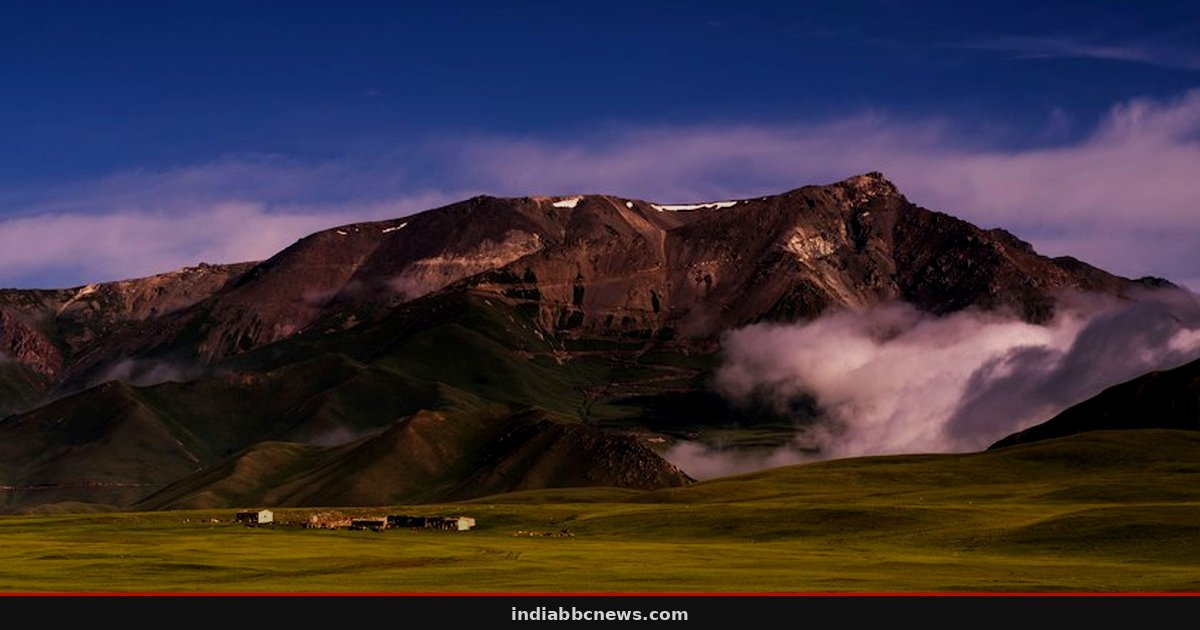
At least sixteen people are confirmed dead, with 32 others injured, after a magnitude 7.0 earthquake struck the high-altitude region of Nagqu in Tibet’s autonomous region early on October 22, 2026. The seismic event, registered at 09:05 local time, sent shockwaves through remote villages where infrastructure remains sparse and temperatures have already dropped below freezing, complicating the immediate rescue bottleneck.
The scale of destruction is becoming clearer as dust settles. According to the Nagqu media office, which cited city government officials, at least 339 homes have collapsed entirely. Of the injured, 11 are in critical condition, while the remaining 21 sustained minor injuries. The death toll is expected to rise as search and rescue teams navigate the rugged terrain, a process that is already being hampered by the onset of winter storms in the plateau.
Rescue Teams Face the Clock and the Cold
Getting supplies to the hardest-hit villages is not just a logistical challenge; it’s a race against hypothermia. The affected area sits at an average elevation of over 4,500 meters, where night-time temperatures can plummet to minus 15 degrees Celsius. Rescuers told reporters on the ground that the primary obstacle isn’t just the rubble, but the lack of paved access roads to several hamlets. Helicopters are being deployed, but high winds on the plateau have grounded several flights, forcing ground teams to use mules and manual labor to move through the debris.
“We have teams in six of the eight worst-hit counties,” a spokesperson for the local emergency management department said in a brief update. “The priority is locating anyone trapped under concrete slabs. We are working around the clock, but the cold is limiting our hours on the ground to prevent frostbite among our own personnel.”
One specific detail emerged from the initial reports that highlights the fragility of the region’s housing. In the village of Qiuqu, many of the collapsed structures were traditional adobe homes that had not been retrofitted for seismic activity. Unlike the modern reinforced concrete buildings in Lhasa, these older structures shattered completely upon impact, leaving little cover for occupants.
Geological Context and Regional Impact
Tibet sits atop the collision zone between the Indian and Eurasian tectonic plates, making it one of the most seismically active regions on Earth. However, a 7.0 magnitude event in the Nagqu prefecture is unusual in its intensity for this specific sector. Seismologists note that the fault lines in this northern part of the plateau have been relatively quiet for the past decade, meaning the accumulated stress release was significant. The earthquake was felt as far away as Lhasa, capital of the autonomous region, where residents reported shaking windows and falling household items, though no structural damage was reported in the capital.
Official data from the China Earthquake Networks Center (CENC) indicates the epicenter was located 12 kilometers northwest of the county seat, with a focal depth of 10 kilometers. Shallow depth earthquakes tend to cause more surface damage because the energy dissipates less before reaching the ground. This depth, combined with the local geology, contributed to the widespread collapse of buildings in the immediate vicinity.
Neighboring regions, including parts of Qinghai and Gansu provinces, reported aftershocks ranging from magnitude 4.0 to 5.2. Local authorities in those areas have issued travel warnings, advising residents to avoid mountain roads and stay away from unstable slopes. The railway line connecting Lhasa to the interior has been suspended for safety inspections, further isolating the affected zone from external aid during the critical first 48 hours.
Humanitarian Response and Aid Logistics
The central government has activated emergency response protocols, dispatching medical teams and temporary shelter units from neighboring provinces. The Ministry of Emergency Management confirmed that 500 tents and 2,000 blankets have been airlifted to the nearest major airfield in Nagqu. However, the “last mile” problem remains acute. Without functional roads, delivering these supplies to the most remote villages will take days, not hours.
“We are seeing a surge in volunteer requests, but we are strictly limiting access to the epicenter to maintain order and safety,” said a local official. “Every truck that goes in must carry essential medical supplies or rescue equipment. We cannot risk losing more lives to accidents on damaged roads.”
International aid agencies are monitoring the situation, but access to the Tibetan autonomous region remains tightly controlled. As of press time, no foreign rescue teams had been granted entry, with all operations being led by Chinese military and civil defense units. The focus remains entirely on internal coordination and rapid deployment of domestic resources.
What Comes Next
The next 24 hours will be decisive. Authorities have announced a full suspension of non-essential activities in the affected prefecture. A joint task force is expected to conduct the first official damage assessment by late tomorrow, which will determine the scale of the reconstruction effort. Meanwhile, meteorological forecasts predict a wave of heavy snowfall within 36 hours, which could seal off the last remaining access routes and force a complete reliance on air support for all further rescue operations. The deadline for the initial rescue phase is set at 72 hours from the quake’s onset, after which the focus will shift from saving lives to recovering bodies and stabilizing the remaining structures.
Frequently Asked Questions
Why is the rescue operation so slow in Nagqu?
The combination of extreme altitude, freezing temperatures, and the collapse of road infrastructure creates a logistical nightmare. Heavy machinery, such as excavators, struggles in the rocky, uneven terrain, and many rescue workers must use manual tools to avoid triggering further collapses. Additionally, the onset of winter weather means that every hour spent outdoors increases the risk of frostbite for both rescuers and survivors, forcing teams to rotate in and out of heated shelters frequently.
Will there be international aid teams on the ground?
Currently, all rescue operations are being conducted by Chinese military, police, and civil defense units. The Chinese government typically manages major domestic disasters internally, and foreign aid teams require explicit permission to enter the region. While international organizations are offering assistance, no foreign personnel have yet been granted access to the epicenter. All aid is being coordinated through domestic channels.
Source: The Hindu International
This article was compiled by the IndiaBBCNews editorial system from verified international news sources. Facts have been independently reviewed. Original reporting: The Hindu International.

