

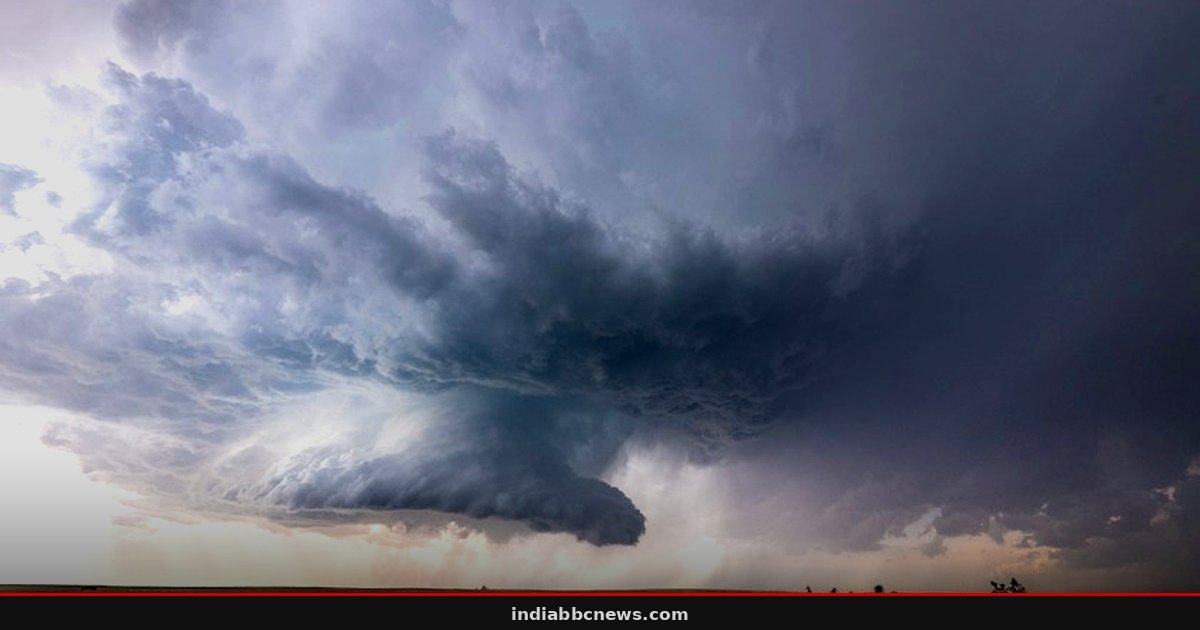
More than 15,000 homes across southern England and Wales sat in the dark on Saturday as Storm Austen unleashed its full fury, marking the first named storm of the 2026 season with a vengeance.
The weather system didn’t just bring rain; it brought structural failure. In Brighton, the iconic West Pier, a ruin that has been slowly eating into the sea since 1975, suffered a significant collapse. Wind gusts hit 84mph in Jersey, whilefallen trees snarled railway lines and roads. The Met Office now warns that Storm Boelo is poised to strike Scotland and northern England later this weekend, promising 80mph gusts on exposed coasts.
The Pier Falls: A Symbol Lost
For locals in Brighton, the sound was unmistakable. Stephen Royle, who lives opposite the pier, described the scene to reporters with a tone of disbelief. “The waves were enormous,” he said. “I am shocked by how much of the pier ended up in the sea.” The structure, which first opened in 1866, had been closed to the public for decades. Yet, its silhouette remained a defining feature of the city’s skyline. Now, parts of it are gone, pummeled by waves that turned the harbor into a churning mess. It’s a stark reminder that even abandoned infrastructure is not immune to the changing climate.
Islands Cut Off: The Channel Crisis
The impact was most severe in the Channel Islands. All schools in Jersey and Guernsey closed. But the disruption went beyond education; it hit the food supply. Mark Cox, the boss of the Co-op in the region, warned that fresh food shortages are expected in the coming days. The cause? The suspension of ferry services. “It’s rare we get this level of disruption to storms backing up so quickly and probably a little bit more heavier than what we’ve had to deal with in the past,” Cox stated.
Paul Aked, head of Jersey Met, confirmed the severity, noting gusts of 76mph in Guernsey. That is a force nine gale. Residents told BBC Radio Guernsey that the wind was loud enough to rattle their homes in their sleep. Jersey Airport confirmed flights would not resume until at least 17:00, while Cornwall Airport Newquay urged passengers to check with airlines before arriving at the terminal. The isolation is total for now.
Travel Chaos and Power Restorations
On the mainland, the disruption was widespread. National Rail advised that many routes were traveling at reduced speeds due to fallen trees. In Horsham, a car was badly damaged when a tree crashed onto it, though the driver emerged unharmed. Ferry services between the UK and France saw multiple cancellations. Exeter airport’s departure board was a wall of red text, signaling widespread cancellations.
The National Grid reported that engineers had restored power to more than 60,000 properties since the storm began. Yet, the count of outages remained high. In Perranporth, Cornwall, families were evacuated from a holiday park ahead of the worst of the storm. Hannah Dawson-Turk, one of the evacuees, described the terror from a nearby hotel. “The night before last, it sounded like our caravan was going to be ripped apart,” she said. “The storm is very loud outside now, and the waves look huge from our windows.”
Storm Boelo Looms: The Weekend Ahead
The respite will be short. The Met Office has issued an amber warning for wind covering much of Scotland, northern England, and Northern Ireland for Saturday and Sunday. Gusts of 60-70mph are forecast, with speeds reaching 80mph in exposed coastal areas. The Central Lowlands are particularly at risk as winds funnel through the region. Heavy, persistent rain is also forecast, increasing the risk of localized flooding and making driving conditions hazardous due to spray and surface water.
This double-storm scenario complicates recovery efforts. While crews in the south are still clearing debris from Austen, they face the prospect of fresh damage from Boelo. The National Audit Office recently warned that Britain’s food supply chain is at risk due to climate threats and cyber-attacks. The government has released general advice for households to stock up on three days’ worth of bottled water and tinned food. Prime Minister Andy Burnham clarified the intent: “It’s not about panic buying… It’s about just taking sensible measures to have enough in the house to tide you over should there be a difficult situation.” The next major decision point is whether local authorities in Scotland will pre-emptively close schools or cancel transport links before Boelo makes landfall, a call that remains under intense scrutiny as wind speeds build.
Frequently Asked Questions
Will Storm Boelo affect the south of England?
While the primary amber warning for Storm Boelo covers Scotland, northern England, and Northern Ireland, the Met Office advises that heavy rain and strong winds will persist across the UK on Saturday. Southern regions may experience lingering effects from Austen, but the most severe wind gusts associated with Boelo are concentrated in the north and west.
When are ferry services expected to return to normal?
Ferry operators have not confirmed a specific all-clear time, but Mark Cox of the Co-op indicated that disruptions will last several days. Passengers are urged to check directly with their airline or ferry operator before traveling, as schedules are likely to remain fluid until winds drop below the force nine threshold.
Source: BBC Science
This article was compiled by the IndiaBBCNews editorial system from verified international news sources. Facts have been independently reviewed. Original reporting: BBC Science.

