

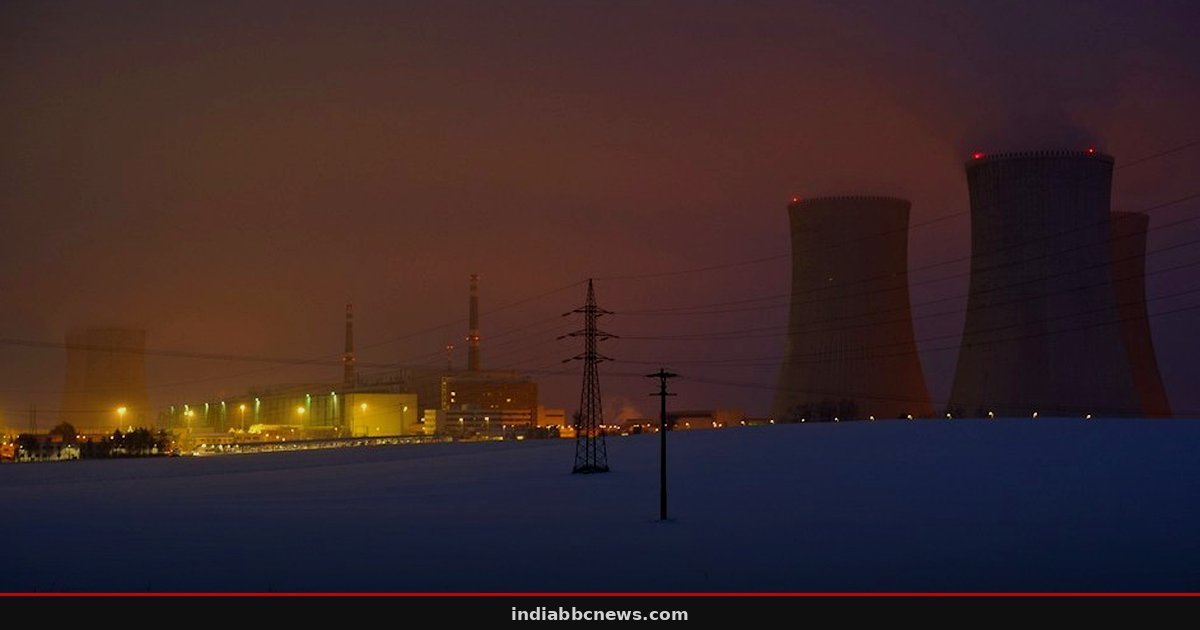
The global nuclear reactor fleet could more than triple by 2060, the International Atomic Energy Agency (IAEA) confirmed in its annual report released this week. Director General Rafael Grossi stated that this surge is not merely a policy preference but an economic necessity, driven by the insatiable demand for electricity from electrification, artificial intelligence data centers, and major technology firms seeking reliable, carbon-free power.
This projection marks a sharp departure from the stagnation that defined the sector for the past two decades. Grossi, speaking to reporters in Vienna, noted that the traditional narrative of nuclear energy as a niche, high-cost solution has collapsed under the weight of digital infrastructure demands. The report, published by the IAEA, projects that installed nuclear capacity will need to expand from approximately 393 gigawatts today to over 1,200 gigawatts by mid-century to meet climate targets and grid stability requirements. It’s a bold number, but the agency argues it’s no longer hypothetical.
The AI Power Crunch
Artificial intelligence is the wildcard here. The energy consumption of training large language models has outpaced expectations, creating a bottleneck that solar and wind alone cannot solve due to intermittency issues. Grossi pointed to specific contracts recently signed between utility providers and hyperscale data centers in North America and East Asia. These deals guarantee baseload power, a category where nuclear has held a monopoly for decades. “Technology companies’ appetite for reliable, carbon-free power,” Grossi said, “is rewriting the investment thesis for the industry overnight.”
It’s not just about the compute power. It’s about the physical footprint. Data centers require massive cooling systems and uninterrupted grid connections. A single mid-sized AI training cluster can consume as much electricity as a small city during peak load. Without a stable, non-fossil fuel source, these operations face both operational risks and significant regulatory penalties in jurisdictions with strict carbon caps.
Supply Chain Realities
Building this fleet is a logistical nightmare, yet the momentum is undeniable. The IAEA report highlights a critical shortage of skilled workforce and specialized supply chains for reactor components. Uranium prices have already risen 20% in the last fiscal year, according to market data from the World Nuclear Association. Officials told reporters that the delay in licensing new plants in several European nations has pushed the timeline for capacity additions into the 2030s, creating a gap that established operators must fill through life extensions of existing plants.
Small Modular Reactors (SMRs) are often cited as the solution to this bottleneck, with manufacturers promising deployment times of five years rather than the ten or twelve typical for large light-water reactors. However, independent analysts caution that no SMR has yet reached commercial scale. The technology remains promising, but the engineering hurdles for mass production are significant. There’s a risk of overpromising, but the capital is flooding in regardless. Private equity firms are now active in the nuclear space, a demographic that was largely absent from the sector a decade ago.
Geopolitical and Economic Shifts
The geopolitical landscape has shifted to favor nuclear independence. Nations wary of energy security vulnerabilities are diversifying away from natural gas imports. The report notes a 15% increase in new nuclear construction contracts in Asia and the Middle East over the past two years. This isn’t just about climate; it’s about sovereignty. Countries like South Korea and France have exported their reactor technology aggressively, securing long-term service contracts that lock in revenue streams for decades.
Price volatility in fossil fuel markets has made nuclear’s fixed operational costs more attractive. While upfront capital expenditure remains high, the levelized cost of electricity from nuclear is competitive with gas in many regions, especially as carbon pricing mechanisms tighten. It’s a subtle but powerful economic driver that Grossi emphasized in his address. The market is signaling that the era of cheap gas is over, and the grid needs a new backbone.
Timeline and Regulatory Pressure
The next critical milestone is the 2027 review of national energy strategies by the OECD Nuclear Energy Agency. Member states are expected to announce whether they will fast-track the licensing of simplified reactor designs. Grossi indicated that the IAEA is preparing a harmonized safety framework to reduce regulatory fragmentation, which has historically slowed deployment. “We are working with regulators to cut red tape,” he stated, “without compromising safety standards.” This diplomatic push aims to align standards across borders, making it easier for manufacturers to scale production.
The deadline for these announcements is looming. If major economies do not commit to accelerated permitting, the 2060 tripling target becomes mathematically impossible. The next two years will define whether this is a genuine industrial revolution or just another optimistic forecast that fails to materialize on the ground. Investors are watching closely, and the capital allocation decisions made in the next 24 months will set the pace for the next fifty years of global energy infrastructure.
Frequently Asked Questions
Will nuclear power become cheaper than solar or wind by 2030?
Not in terms of upfront installation cost, nuclear remains significantly more expensive to build than solar farms. However, with high carbon taxes and battery storage costs factored in, the levelized cost of nuclear is becoming competitive for baseload applications. For data centers requiring 24/7 power without carbon emissions, nuclear is currently the only viable option that scales efficiently, making it economically “cheaper” in a total-cost-of-ownership model for specific industrial use cases.
Are Small Modular Reactors (SMRs) ready for mass deployment?
Not yet. While several prototype SMRs are in the construction or licensing phase, none have yet reached commercial operation at scale. The technology is advancing rapidly, with the first units expected to come online between 2028 and 2030. The IAEA report suggests that SMRs will play a crucial role in the later stages of the 2060 growth curve, but the immediate tripleing will rely on continued expansion of large, traditional reactors and life extensions of existing plants.
Source: The Hindu International
This article was compiled by the IndiaBBCNews editorial system from verified international news sources. Facts have been independently reviewed. Original reporting: The Hindu International.

