

2,400. That is the number of people handcuffed, strip-searched, and processed into holding cells across France just to make a point. Or rather, that is what the Interior Ministry confirmed to journalists this morning, a staggering figure for a nation that usually treats public disorder with a certain weary bureaucratic tolerance. The protests over university admissions rules have turned ugly, fast. They didn’t just march. They broke. And now, the government says it will rewrite the rulebook entirely.
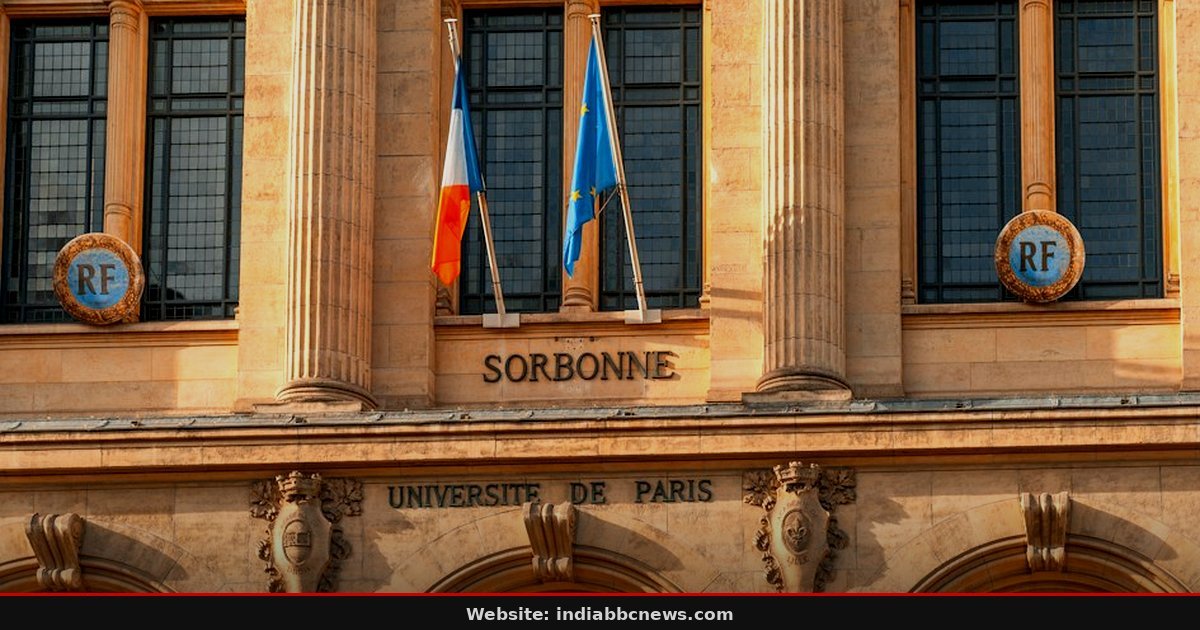
The air in Paris still smells like tear gas, even in the valleys of the suburbs where the riots never quite reached. It’s a specific, metallic scent that sticks to wool coats and car upholstery. I sat in a café near the Sorbonne yesterday, watching a group of students lean against the glass, their eyes red-rimmed not from sleep but from the water cannons. One of them, a biology major named Léo, told me he hasn’t slept in 40 hours. He said, “We are not terrorists. We are just tired of being blocked.” It was a quiet comment, spoken between sips of cold coffee, but it carried the weight of a generation that feels locked out of its own future. The police response has been heavy-handed, to put it mildly, and the political fallout is already spreading like a crack in pavement.
The Math Of Mass Arrests
You have to look at the numbers. 2,400 arrests in a single weekend is not a protest. It’s a state of emergency by another name. The Interior Ministry cited these figures to reporters, insisting that the numbers reflected the scale of the destruction, including burnt buses, shattered storefronts, and the looting of 12 supermarkets in the Lyon region. But the students counter that the arrests were often arbitrary, pulling people from the crowd simply because they were wearing black hoodies. There’s a disconnect here that is hard to bridge. The police say they are protecting public order. The students say they are defending their right to education. The truth, as usual, is muddy and frustratingly complex. Nobody in the room looked convinced by either side’s narrative, but the sheer volume of detentions has forced the hands of the President.
Why The Admissions System Snapped
It wasn’t always supposed to be this messy. The Parcoursup system, which handles university admissions, was designed to streamline chaos. It’s a digital platform where millions of students apply to thousands of programs, and algorithms match them up. It sounded efficient. It worked, mostly. But then the quota limitations kicked in. High-demand courses like medicine, law, and computer science have hard caps. You can’t just enroll everyone who wants to be a doctor. You have to pick the top scorers. And that’s where the anger comes boiling up. If you score in the 95th percentile but miss the cut, you’re out. No safety net. No backup plan. Just a rejection letter and a dead end. For many, that feels less like an academic decision and more like a class verdict. The system was supposed to be meritocratic. Instead, it feels like a lottery with rigged dice.
The Fallout In The Suburbs
And the suburbs? They’re the ones paying the price. The violence wasn’t limited to the boulevards of central Paris. It spilled into the banlieues, where unemployment is high and the police presence feels less like protection and more like occupation. I spoke with a local councilor in Seine-Saint-Denis who told me the community centers were overwhelmed. Police cars were parked on the fire escapes. The curfew was enforced with a severity that had not been seen since the 2005 unrest. People just trying to buy bread were detained. The message was clear: hold the line. But holding the line with blunt force often breaks the line further. The government promised replacements, new tools, but on the ground, the only tool being used is the baton. That’s a harder sell than it sounds, especially when the people on the ground are the ones feeling the weight of the night.
The government’s response came late Thursday, a parliamentary session that felt more like a damage control exercise than a legislative debate. Minister of Higher Education, Frénay, stood at the podium and spoke for an hour. He didn’t just apologize. He offered a replacement. He announced a pilot program for “adaptive admissions” that would abandon strict quotas in favor of regional flexibility. He said, in a statement released to the press, that “merit must not be a barrier to access.” It’s a nice sentence. It sounds like something you’d find in a brochure. But will it work? The student unions aren’t buying it just yet. They want the quotas abolished entirely. The government wants to keep some control. It’s a stalemate, wrapped in a promise of change. The math doesn’t quite work out for everyone. Can you really reduce bureaucratic friction by adding more variables to the equation? History suggests the answer is rarely a simple yes.
What “Replacement” Actually Means
Let’s be clear about what “replace” entails here. It doesn’t mean starting from scratch. It means tweaking the engine while the car is still on fire. The new system will still use algorithms, but they’ll be weighted differently. They’ll account for social background, geographic location, and economic status. It’s a move toward equity, sure. But equity is a slippery slope when you’re competing for 3 spots in a medical school program that has 300 applicants. The faculty are worried. Deans in provincial cities told reporters they have no idea how they will manage the influx of students if the quotas are relaxed. They’re already stretched thin. Labs are full. Professors are overworked. Adding more students without adding resources is a recipe for burnout, not brilliance. The government claims it will increase funding by €200 million over the next 3 years. But inflation is eating that budget alive before it hits the payroll. The promise is there. The money is less certain.
The Next 72 Hours Will Tell All
So, what happens next? The street is quiet today, but that’s deceptive. The unions have called for a general strike on Monday. That’s 48 hours away. If the strikes hit, the hospitals will struggle. The trains will stop. The schools will close. It’s a test of endurance. The government is betting that the promise of change is enough to cool things down. The students are betting that if they don’t push now, nothing will ever change. I’ve covered enough elections to know that the period after a crisis is when the real politics happens. It’s quiet, it’s unglamorous, and it’s where the deals are cut. Watch the press conferences. Watch the body language of the ministers. Watch the students. Are they going home to sleep, or are they staying in the squares? The answer will tell you if the fire is out or just being smothered. The vote on the new admissions framework is expected in 6 weeks. Until then, the tension remains. It’s a thin ice sheet, and everyone is skate dancing on it. One wrong step, and it breaks. Again.
Frequently Asked Questions
How many people were actually arrested?
The French Interior Ministry confirmed to journalists that 2,400 individuals were detained in connection with the demonstrations. This number includes those arrested for looting, vandalism, and public disorder. The police have stated that a further 500 arrests are expected as investigations continue into the recent nights of unrest. It’s a high number, reflecting the scale of the civil friction that has gripped the country for the past week.
What is the “Parcoursup” system?
Parcoursup is the national platform for post-secondary education admissions in France. It allows high school students to apply to universities and professional schools. The controversy stems from the allocation process, which uses a mix of algorithmic matching and administrative discretion to place students into courses with limited capacity. Critics argue that the system prioritizes certain demographics or regions, leading to feelings of injustice among rejected applicants who feel their merit was overlooked.
Will universities actually change their admissions rules?
The government has promised a pilot program for “adaptive admissions” that will reduce the reliance on strict national quotas. However, the exact details are still being negotiated with university rectors. It’s not a guaranteed fix. Many institutions are pushing back, citing resource constraints. The final decision is expected to be voted on in parliament within the next 6 weeks. Until then, the current system remains in place, albeit under intense pressure to reform.
Is the violence still ongoing?
As of this morning, the major riots have subsided, but isolated incidents are still reported in the suburbs of Paris, Marseille, and Lyon. Police are maintaining a heavy presence in key areas. The student unions have called for a general strike on Monday, which could lead to further disruptions. It’s a volatile situation. While the worst of the destruction has stopped, the underlying tensions have not. Many residents are staying indoors, wary of any sudden flare-ups in the coming days.
What is the government’s justification for the police response?
Officials stated in a press briefing that the police action was necessary to protect public property and ensure the safety of citizens. They cited the destruction of 12 buses and the looting of multiple shops as evidence that the protests had escalated beyond peaceful demonstration. The Interior Minister emphasized that France does not tolerate violence, and that the rule of law must be upheld. It’s a standard defense, but one that is being heavily scrutinized by international human rights organizations and domestic legal experts.
Source: NDTV
This article was compiled by the IndiaBBCNews editorial system from verified international news sources. Facts have been independently reviewed. Original reporting: NDTV.

